
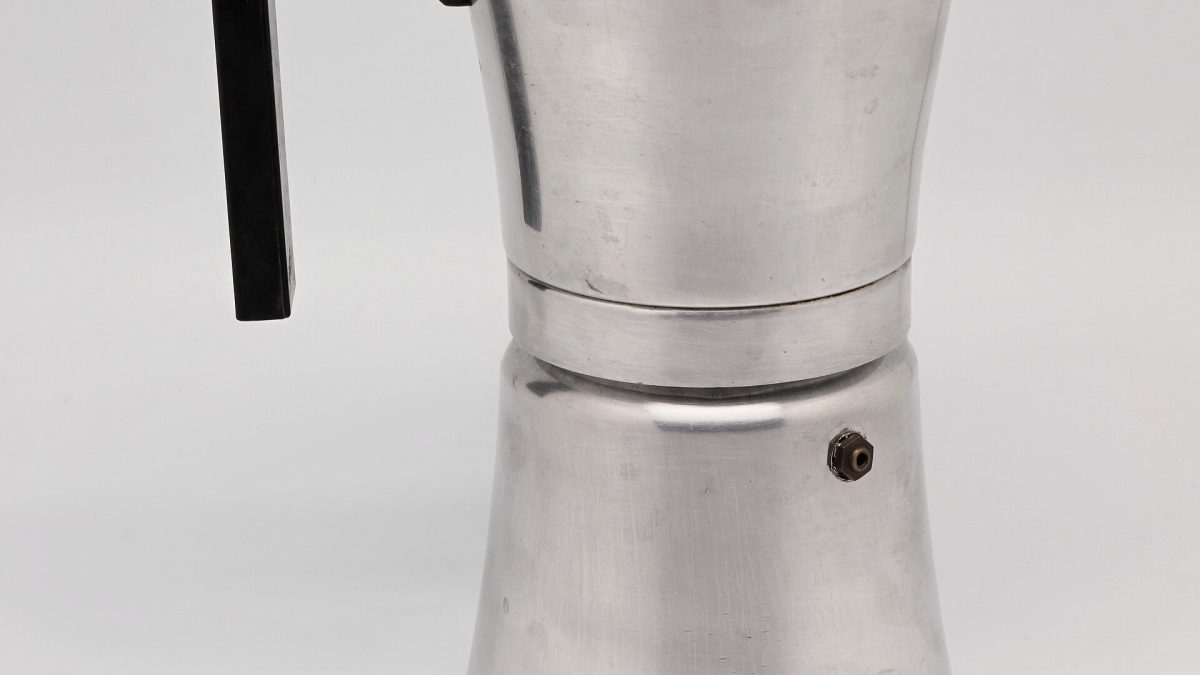
Quick answer: In the Bialetti Venus vs Moka Express debate, the Venus is the better buy if you cook on induction or want a pot you can wash more freely. The Moka Express is the better buy if you use gas or electric, want the classic look, and want to spend less. The coffee in the cup is much closer than most marketing suggests.
Both pots are made by Bialetti and both brew the same way: water heats in the base, steam pressure pushes it up through the grounds, and strong coffee collects in the top chamber. The real differences are the metal, the stove they work on, and how you care for them. This guide compares them clearly so you can choose once and brew well for years.
Bialetti Venus vs Moka Express: side by side
| Bialetti Venus | Bialetti Moka Express | |
|---|---|---|
| Material | 18/10 stainless steel (per Bialetti) | Aluminum |
| Induction stove | Yes, in the 4-cup size and larger | No, unless you add an adapter plate |
| Gas and electric | Yes | Yes |
| Cleaning | Hand washing is still best; stainless steel does not oxidize like aluminum | Hand wash only; detergent and dishwashers can dull and darken aluminum |
| Weight | Heavier, according to comparison blogs | Lighter and easy to carry |
| Heat-up | Stainless steel conducts heat more slowly than aluminum | Aluminum heats fast and evenly |
| Price | Usually somewhat higher, though prices vary by seller | Usually lower |
| Look | Modern, polished steel | Classic octagonal icon |
Sources for these points include Bialetti’s own Venus listing, which describes the Venus as stainless steel and compatible with all hobs. Smaller details, such as relative weight and price, come from retailer and blog comparisons, so treat them as typical rather than exact.
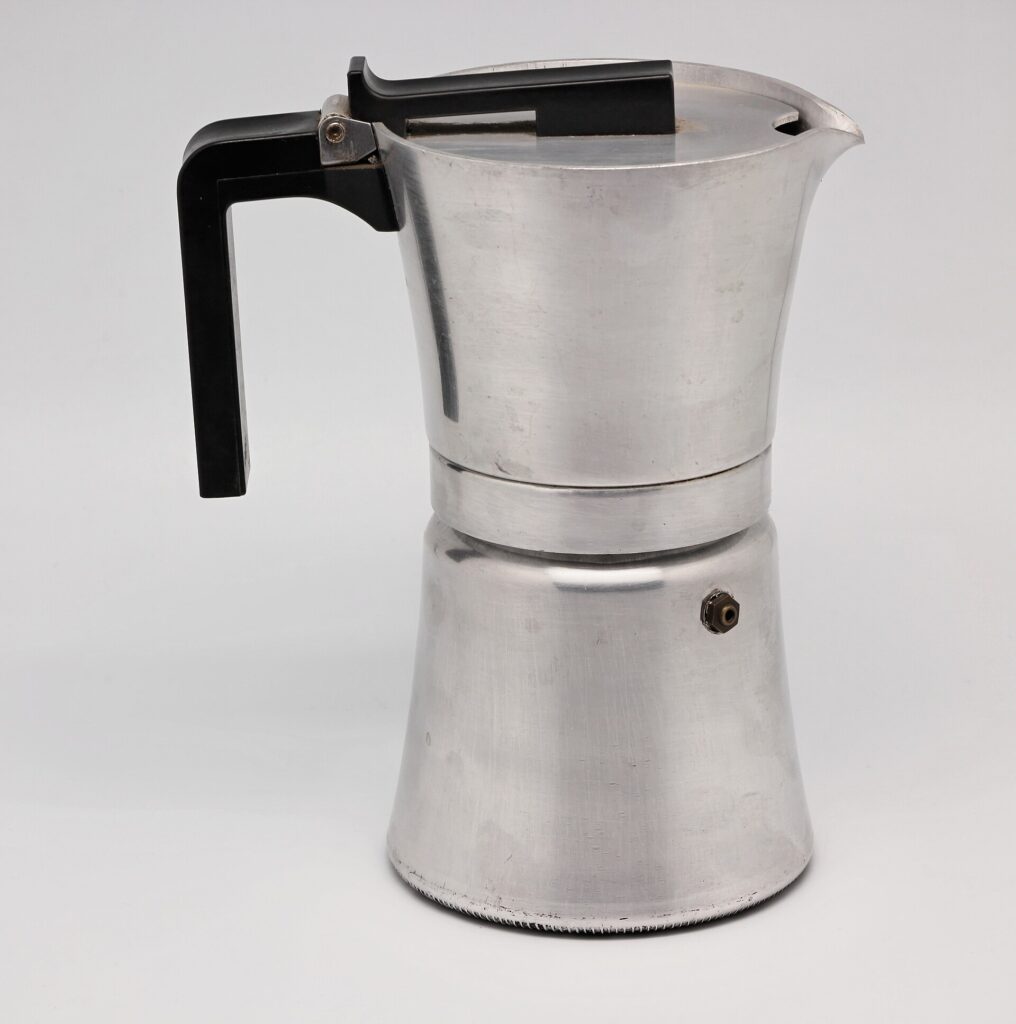
The biggest difference: induction
Induction cooktops heat the pot through a magnetic field. Aluminum is not magnetic, so a normal aluminum Moka Express will not work on its own. You can use an induction adapter plate, but that adds a step, a cost and a slower heat-up.
The Venus is built to work on induction without a plate. There is one catch: the smallest size, the 2-cup, is reported not to be induction-capable, so buy a 4-cup or larger. If you cook on induction, this is the deciding point. If you want more detail, read our guide to using a moka pot on induction.
If you cook on gas or on a standard electric ring, the induction advantage does not matter, and the Moka Express is the simple choice.
Does stainless steel taste different from aluminum?
This is the most debated question, and the honest answer is that the evidence is thin. Some writers claim aluminum slightly affects flavor and stainless steel is neutral. Others argue the difference is too small to notice. We have not found solid blind-tasting data, so we treat the claim as unproven.
What you can control matters more: the grind, the heat and the moment you stop the brew. A moka pot makes strong coffee that is closer to a concentrated brew than to true espresso, so small errors in technique change the cup far more than the metal does.
Read next: Bialetti Brikka vs Moka Express, the best moka pots, how to clean a moka pot and the best grinder for a moka pot, Alessi 9090 vs Bialetti Moka Express.
Cleaning and long-term care
Aluminum reacts with strong detergents and the heat of a dishwasher. It can turn grey and dull. Rinse the Moka Express with warm water, dry it and store it with the lid open. Never scrub it hard.
Stainless steel does not oxidize in the same way, so the Venus is more forgiving. Some retailers describe it as dishwasher safe, but Bialetti advises care, and hand washing keeps the finish better. Either way, replace the rubber gasket and the filter plate when they harden or crack. They are cheap and they affect every brew.
How to brew well in either pot
- Fill the base with hot water up to just below the safety valve. Never above it.
- Fill the filter basket with medium-fine ground coffee, level but not pressed. Do not tamp.
- Screw the pot closed carefully. Use a cloth, since the base will be hot.
- Heat on medium-low. A flame that wraps up the sides of the base overheats the pot.
- Lid open, watch the flow. When the stream turns pale and starts to sputter, remove the pot from the heat.
- Cool the base under cold water or on a wet cloth to stop the brew at once. This helps avoid a bitter, metallic finish.
Using hot water in the base shortens the time the grounds sit on a hot metal surface. It is a common tip among moka pot users, and it often reduces harshness.
Common moka pot problems and how to fix them
Whichever pot you buy, the same few problems come up. This table helps you find the cause fast. The fixes are standard moka pot practice, not specific to one model.
| Problem | Likely cause | Fix |
|---|---|---|
| Bitter, burnt taste | Heat too high, or the pot stays on the stove after brewing | Use medium-low heat, remove the pot early, cool the base under cold water |
| Sour, thin coffee | Grind too coarse or heat too low | Grind a little finer and use slightly more heat |
| Coffee leaks at the join | Worn gasket, or grounds on the threads | Replace the gasket and wipe the rim before closing |
| Sputtering, uneven flow | Heat too high or a clogged filter plate | Lower the heat and clean the filter plate |
| Almost no coffee comes out | Grind too fine or the basket is tamped | Use a medium-fine grind and level the grounds without pressing |
| Metallic aftertaste | Pot is dirty or the brew ran too long | Clean all parts, dry them and stop the brew sooner |
Many of these issues come from the cup, not the pot. For a deeper look at the mistakes people make, see our article on moka pot myths.
Quick decision guide by situation
- You have an induction hob: buy the Venus in a 4-cup size or larger.
- You have a gas stove and a small budget: buy the Moka Express.
- You hate polishing and drying things: the Venus is more forgiving.
- You travel or camp: the lighter Moka Express is easier to pack, but check the heat source first.
- You want a gift: both come in simple packaging. The Moka Express has the classic look many coffee fans know.
A short note on the pot’s story. The Moka Express design dates to the 1930s and is tied to the Bialetti name. Sources do not always agree on exact dates and credit, which we explain in our history of the moka pot. The Venus is a later, modern take on the same idea, built to suit new stoves.
The Italian way: the moka at home
In Italy, the moka pot is a home tool, not a café tool. Espresso is for the banco (the bar counter), while the moka is what many households use for the morning cup. People tend to keep one pot per household and learn its quirks over years. That habit is the best advice we can give: pick one pot, use the same grind and heat each time, and change only one thing at a time.
Good coffee matters as much as the pot. Use freshly roasted beans, ground just before brewing, in a medium-fine setting. A burr grinder gives a more even grind than a blade grinder. Our guide to the best grinder for a moka pot compares options by budget.
Which should you buy? Our verdict
This verdict is based on published specifications, retailer information and user reviews. IndieRoastersItaly has not tested these pots in person.
Choose the Bialetti Venus if…
- You cook on an induction hob and want to avoid an adapter plate.
- You prefer a pot that does not oxidize and is easier to keep looking new.
- You are happy to pay a little more for a heavier, modern pot. The Bialetti Venus 6-cup induction stovetop maker is a popular choice, rated 4.4 stars from tens of thousands of Amazon reviews at the time of writing.
Choose the Bialetti Moka Express if…
- You use gas or a standard electric stove.
- You want the original, iconic design at a lower price. The Bialetti Moka Express 6-cup stovetop maker is rated 4.6 stars from many thousands of Amazon reviews at the time of writing.
- You do not mind hand washing and drying the pot each time.
The link price does not change what we recommend. If you use induction, the Venus is the practical answer. If you do not, the Moka Express gives you the same brewing method for less.
Which size should you pick?
Bialetti sizes are given in “cups”, but a Bialetti cup is a small espresso-style serving, not a mug. A 6-cup pot makes enough for two small servings or one generous mug. If you drink one coffee a day, a 3-cup or 4-cup pot is enough. If you often brew for two, choose 6 cups.
Always fill the basket completely, even in a large pot. Brewing a half-full basket in a big pot gives weak, uneven coffee. If you need less coffee, buy a smaller pot.
FAQ: Bialetti Venus vs Moka Express
Is the Bialetti Venus better than the Moka Express?
It depends on your stove. The Venus is better on induction. On gas or electric, the Moka Express brews the same style of coffee for less money.
Can you use a Moka Express on induction?
Not on its own, because aluminum is not magnetic. You need an induction adapter plate, which can slow down the heat-up.
Does the Venus make better coffee?
There is no strong evidence that it does. Your grind, heat and timing change the cup more than the metal does.
Is the Venus dishwasher safe?
Some retailers say yes, but hand washing is the safer choice for both pots. It protects the finish and the gasket.
Which pot lasts longer?
Both can last for many years with care. Stainless steel resists oxidation, while aluminum needs gentler cleaning. Replace the gasket and filter plate regularly in either pot.
Is a moka pot the same as espresso?
No. A moka pot works at much lower pressure than an espresso machine, so the coffee is strong but different. Our moka pot vs espresso machine guide explains the gap.
Next step: check your stove type, pick the matching pot, and buy a medium-fine grind or a good hand grinder.
As an Amazon Associate, IndieRoastersItaly earns from qualifying purchases. This does not change the price you pay.
IndieRoastersItaly is building a map of independent Italian roasters. Join the waitlist on our home page to be among the first to explore it.
This article was written with the support of artificial intelligence for content structuring, and was fully reviewed, verified, and refined by the author.
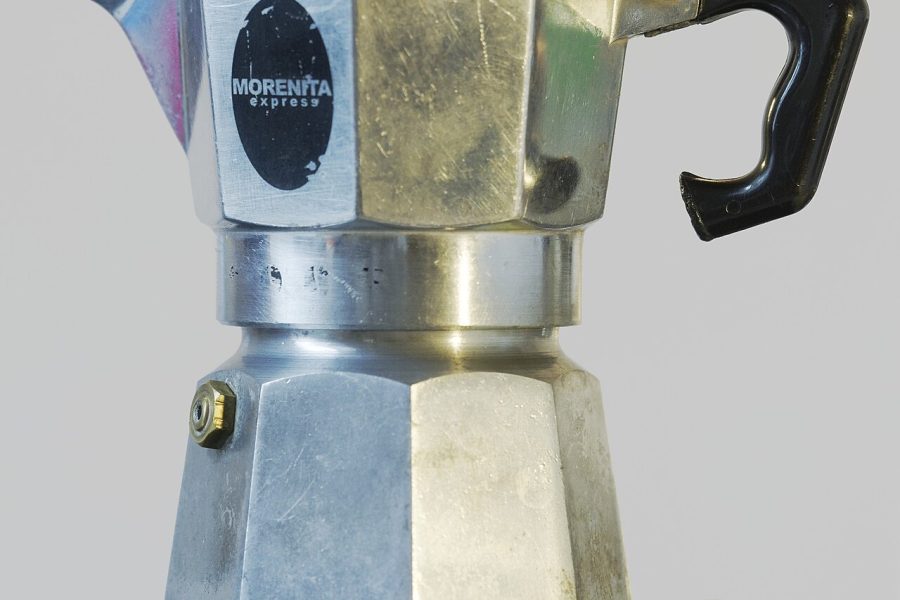
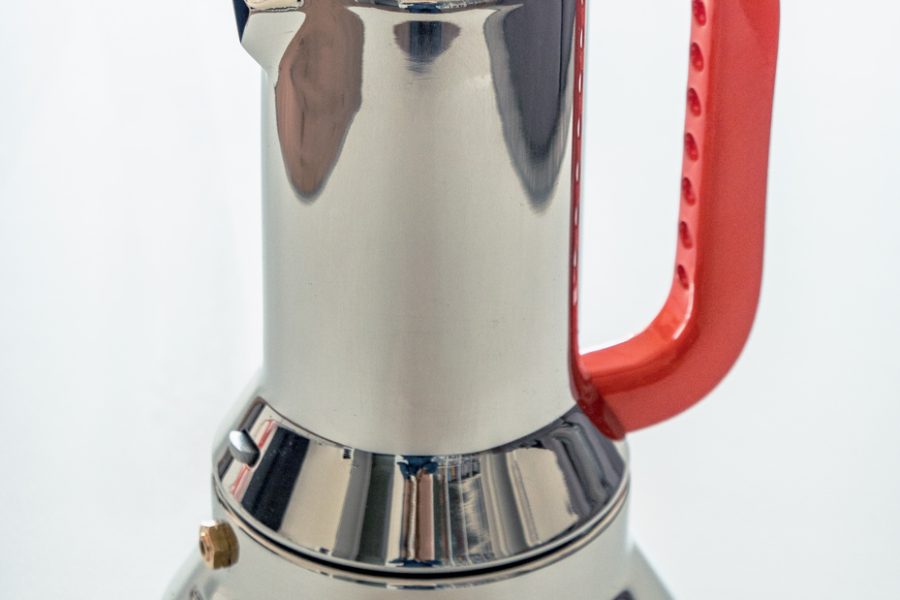

A care tip for both pots: rinse them with warm water only and skip the dishwasher. On the steel Venus too, detergent and high heat wear out the rubber gasket faster. Which one is on your stove, aluminium or stainless steel?