
Quick answer: for one person, buy a 3-cup moka pot. For two people, buy a 6-cup. A moka pot “cup” is a small espresso-style serving of about 50 to 60 ml, so a 3-cup pot makes roughly 130 ml of coffee. Sizes run from 1 cup to 12 cups and beyond, and the pot works best when you fill it completely each time. That last point matters more than any chart.
Choosing among moka pot sizes looks easy. Then you see a “6-cup” pot that makes one big mug, not six cups. This guide explains what the numbers really mean, which size fits your routine, and why the right pot is the one you can fill to the valve every morning.
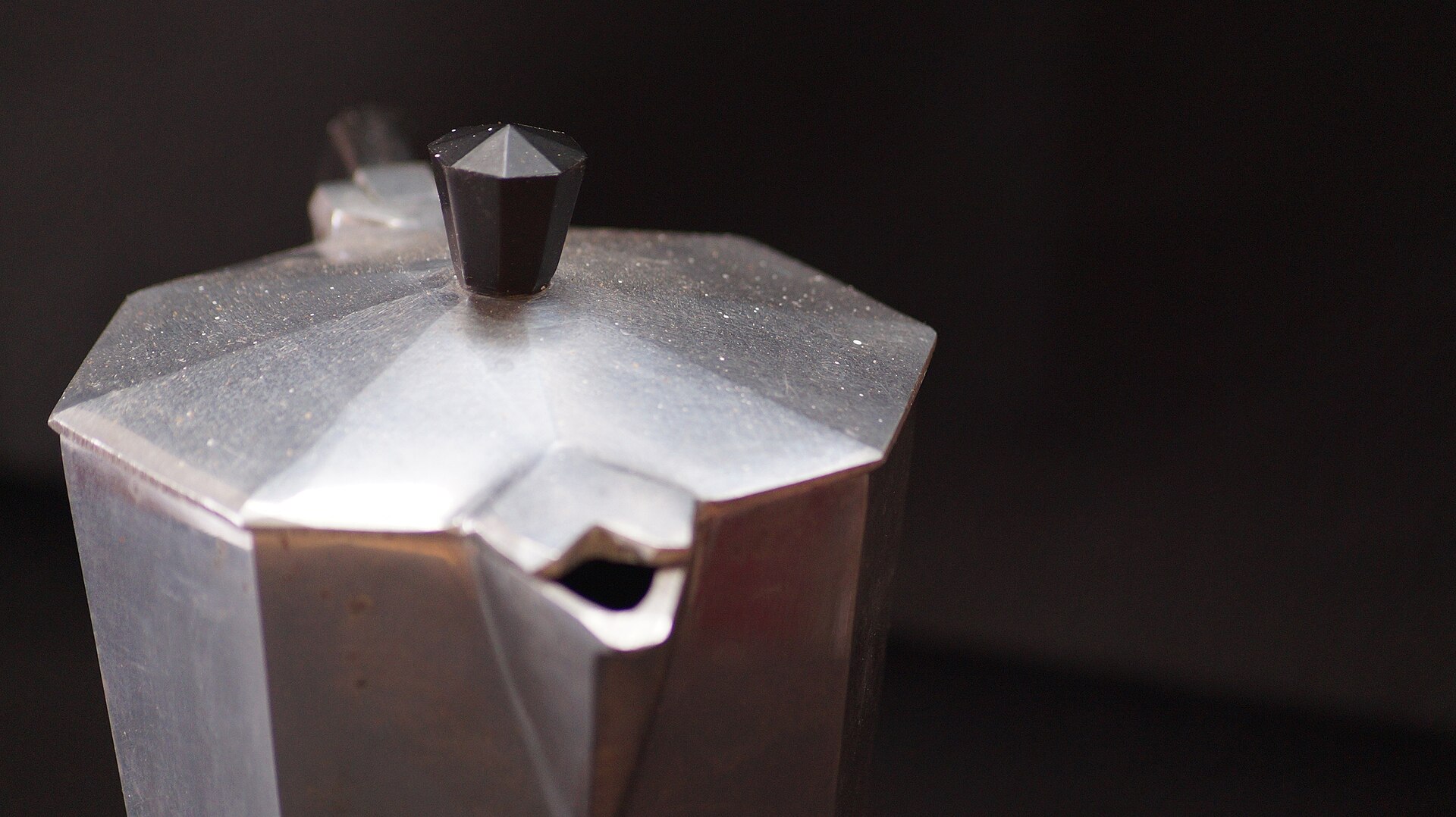
What “cup” means on a moka pot
The word “cup” on a moka pot does not mean a US cup of 240 ml. It means a small Italian coffee, close to a shot of espresso. Most retailers and makers list about 50 to 60 ml per cup. Sources do not agree on the exact figures, so treat every number in this guide as an approximation.
There is a good reason for the small size. The moka pot was built for the Italian home, where a coffee is a short, strong drink. In a bar you drink it standing at the counter, which Italians call the banco. At home, the moka plays the same role. One “cup” is one small coffee.
Now compare that with how most people drink coffee in the US or UK. A typical mug holds 240 to 350 ml. One mug equals four to six moka “cups”. This gap explains most buying mistakes.
The moka pot also does not make true espresso. It pushes water through coffee with steam pressure that is far lower than an espresso machine. The result is strong and rich, but it is a different drink. You can read the history in our guide to the history of the moka pot and the Wikipedia entry on the moka pot.
Moka pot size chart
The table below shows the common Bialetti Moka Express sizes. Other brands use similar ratings, but small differences are normal. For example, listings for the 6-cup pot range from about 250 to 300 ml, with 270 ml the most common figure. A chart like the one at Honest Coffee Guide gives a second opinion.
| Rated size | Approx. output | Best for | Typical use |
|---|---|---|---|
| 1 cup | about 60 ml | 1 person, tiny serving | One small coffee, travel |
| 2 cup | about 90 ml | 1 person | One stronger coffee |
| 3 cup | about 130 ml | 1 to 2 people | The best all-round size |
| 4 cup | about 170 to 190 ml | 2 people | Two small coffees or one mug |
| 6 cup | about 250 to 270 ml | 2 to 3 people | Two mugs or a small group |
| 9 cup | about 410 ml | 3 to 5 people | Family breakfast |
| 12 cup | about 600 ml | 5 or more | Guests, big households |
Real output is a little lower than the label. Some water stays in the base, and some coffee stays in the grounds. Plan for roughly 10 percent less than the rating.
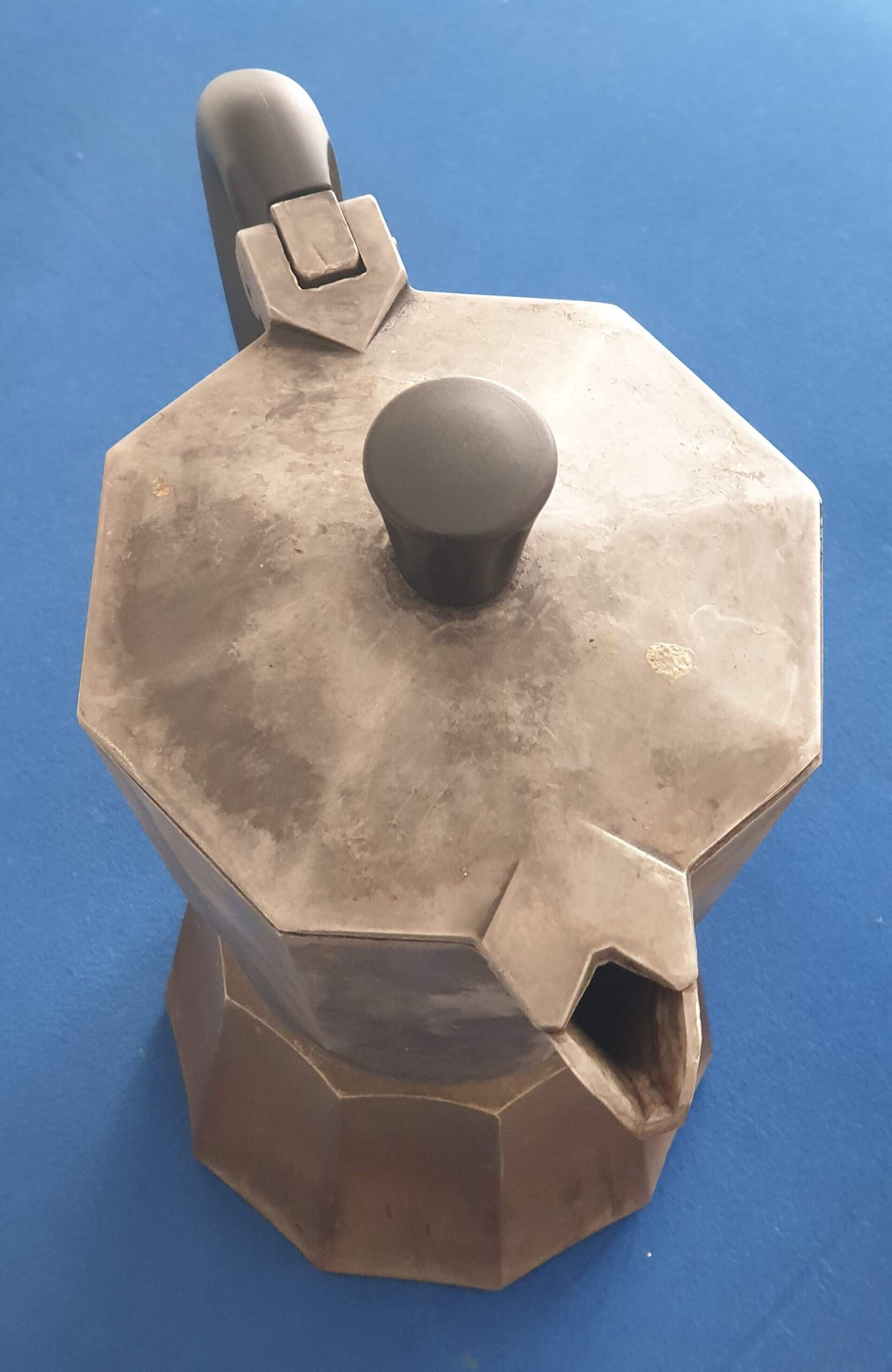
How to choose your size
Start with how many people drink coffee at the same time, then think about how big each serving is. Use these simple rules.
- You drink one small coffee: choose a 1-cup or 2-cup pot. This is the Italian way.
- You drink one large mug: choose a 3-cup pot. You get about 130 ml, which you can top up with hot water or milk.
- Two people, one mug each: choose a 6-cup pot.
- Family or guests: choose a 9-cup pot, or own two sizes.
If you are unsure, pick the 3-cup. It heats fast, it is easy to fill, and it suits most single drinkers. Many coffee fans own a 3-cup for weekdays and a 6-cup for weekends.
Read next: Best moka pots, the perfect moka pot guide, Bialetti Moka Express review and using a moka pot on induction, how to use a Bialetti Brikka.
Why you should always fill the pot
This is the rule new owners ignore. A moka pot is designed to be used full. The water chamber should be filled to just below the safety valve. The filter basket should be filled level with ground coffee.
Why does it matter? Steam pressure pushes the water up. If the basket is half empty, the water finds an easy path and runs through too fast. The coffee tastes thin and sour. If the water chamber is half full, the pot has to heat a large empty space, and the brew can turn hot and bitter.
So do not buy a 6-cup pot to make one small coffee. Brewing half a pot is the most common way to ruin a good moka. Buy the smaller size instead. A size that matches your daily habit gives a better cup every time.
How to brew each size
The method is the same for every size. Only the quantities change.
- Fill the base with hot water up to the line under the valve. Hot water shortens the time the grounds sit on a hot metal base.
- Fill the basket with ground coffee until it is level. Do not tamp. Do not heap it.
- Screw the top on firmly. Place the pot on medium-low heat with the lid open.
- When coffee starts to flow, watch it. When it turns pale and begins to sputter, take the pot off the heat.
- Run the base under cool water or rest it on a wet cloth to stop the brew. Serve right away.
For grind, aim for a size a little coarser than espresso and finer than drip coffee. Our coffee grind size guide shows how to judge it by touch. If you grind at home, see the best grinder for a moka pot.
Common mistakes when picking a size
- Buying by the label. A “6-cup” pot makes about two mugs, not six.
- Buying too big. A pot used half full gives weak or harsh coffee.
- Ignoring your stove. Some aluminum pots do not work on induction. Check this before you buy. See our guide to moka pots on induction.
- Skipping the gasket. The rubber seal wears out. A leaking pot loses pressure, whatever its size. Replace it once a year, or sooner if it hardens.
- Never cleaning it. Old oils make the coffee taste stale. Our moka pot cleaning guide covers the safe way.
Moka pots worth a look
We have not tested these pots ourselves. The notes below are based on published specs, the brands’ own size ranges, and user reviews. Prices change, so check the current listing.
Bialetti Moka Express is the classic octagonal aluminum pot. It comes in many sizes from 1 to 12 cups, which makes it the easy way to compare sizes. It is not made for induction. For a deeper look, read our Moka Express review.
Bialetti Venus is a stainless steel pot with a rounder shape. It is built for induction, and steel is easier to keep clean. See how the two compare in Venus vs Moka Express.
Bialetti Brikka has a pressure valve that adds a creamier layer. It is a different pot with its own rules. Read Brikka vs Moka Express before you choose.
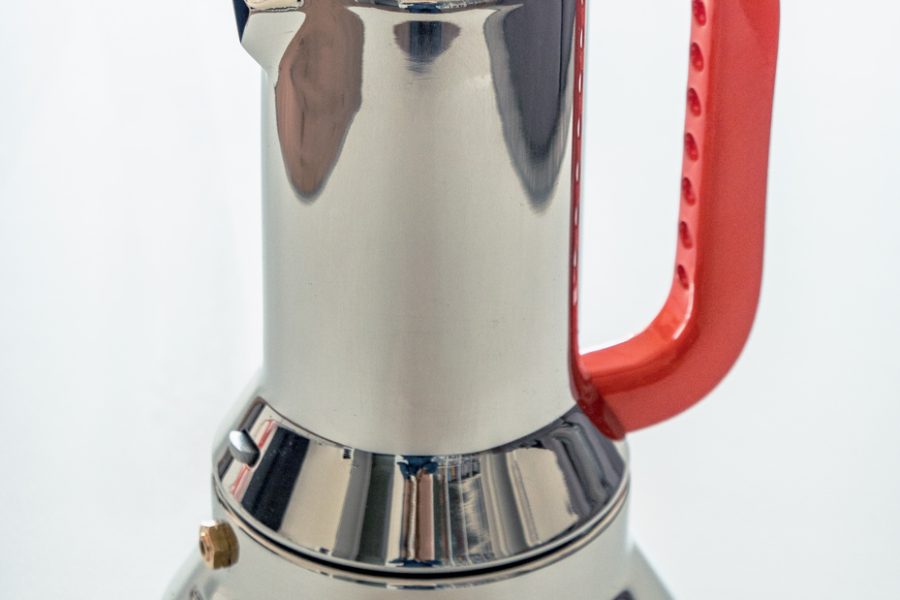
Alessi 9090 is a design icon in stainless steel, and it works on induction in the sizes made for it. It costs more than a Bialetti, so it is a choice for people who want a pot they will keep for years.
Match the pot to your stove
Size is not only about coffee. The base of the pot must sit well on your burner. A small pot on a large gas flame lets the fire lick up the sides. That heats the handle and can scorch the coffee. Use a low flame that stays under the base.
On an electric or induction hob, check the base diameter. A 1-cup pot has a very small base. Some induction hobs cannot detect it, so the pot never heats. Steel pots with a magnetic base work best here. If you have an induction hob, buy a model made for it, or use a steel adapter plate.
Do you need two pots?
Many households end up with two. A 3-cup pot covers the quiet weekday morning. A 6-cup or 9-cup pot covers weekends and guests. This costs little, and it saves you from the half-full brew that spoils the flavor.
If you buy only one, think about the most common situation, not the rare one. A pot that is right on 300 mornings beats a pot that is right on 20 days of the year. When guests come, you can always brew twice.
Also think about storage and cleaning. A big pot takes more space and more time to dry. A small pot fits in a travel bag, which makes the 1-cup and 3-cup sizes useful for camping and holidays. Whatever you choose, let the pot dry fully before you store it, and leave the lid open.
Frequently asked questions
What size moka pot do I need for one person?
A 3-cup pot is the best choice for most single drinkers. It makes about 130 ml. If you want a small, strong Italian-style coffee, a 1-cup or 2-cup pot is enough.
How many ounces is a 6-cup moka pot?
A 6-cup pot makes about 250 to 300 ml, or roughly 8.5 to 10 US fluid ounces. Sources vary, and the real yield is a little lower than the label.
Can I brew half a moka pot?
You can, but the coffee will usually taste worse. The pot is designed to be used full. If you often make small servings, buy a smaller pot.
Is a bigger moka pot better?
No. A bigger pot is only better if you serve more people. A pot that is always full gives the best flavor, so match the size to your daily use.
Do all moka pot brands use the same cup size?
No. Brands use similar ratings, but the actual volume can differ by a few tens of milliliters. Check the stated milliliters on the product page, not only the cup number.
How long does a moka pot last?
An aluminum or steel pot can last for decades with care. The rubber gasket and the filter plate are the parts you will replace, usually after a year or two of daily use.
Your next step
Count how many small coffees you drink on a normal morning, pick the size that fills a pot for that number, and brew it full. Then compare options in our best moka pots roundup.
IndieRoastersItaly is building a map of independent Italian roasters, with specialty coffee delivered fresh. Join the waitlist on our home page to hear when it opens.
As an Amazon Associate, IndieRoastersItaly earns from qualifying purchases. This does not change the price you pay.
This article was written with the support of artificial intelligence for content structuring, and was fully reviewed, verified, and refined by the author.
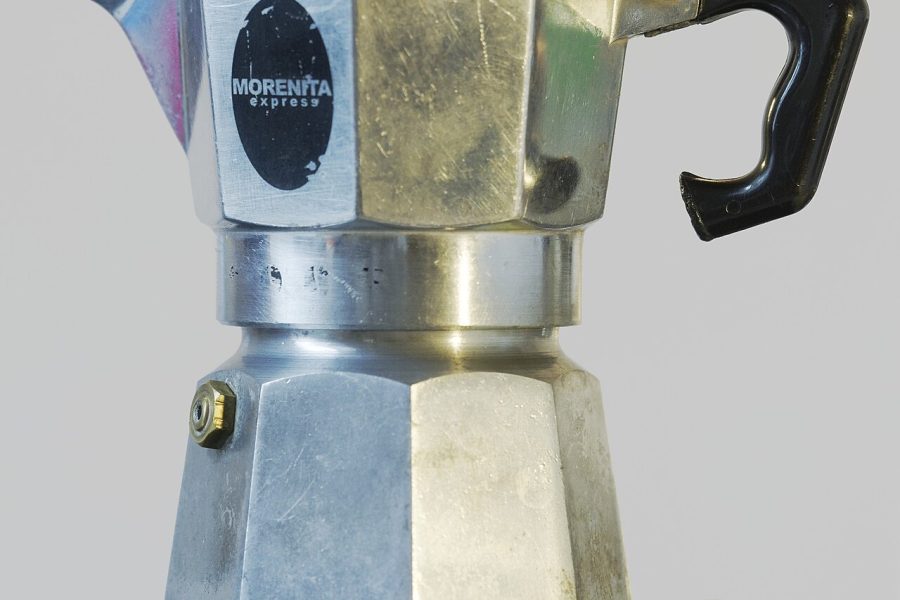

A practical tip: always fill the filter basket to the rim. A big moka pot used half full brews weak, uneven coffee, so pick the size you will fill every time. How many cups does your moka pot make?