Quick answer: if you need to descale espresso machine parts, use the descaler your maker recommends, run it through the machine as the manual says, then rinse the tank and run several full tanks of fresh water. Do it when the machine asks, or every few months if your water is hard. Never improvise with harsh chemicals, and never skip the rinse.
Scale is the quiet killer of home espresso. It does not smell or look dramatic. It just slows the water, cools the shot and, in the end, stops the machine. The good news: a proper routine takes about half an hour, and it is cheap.
A note on method: IndieRoastersItaly has not tested every machine. This guide gives the general method and reflects what manufacturers commonly advise. Your manual always wins.
Why you need to descale espresso machine parts
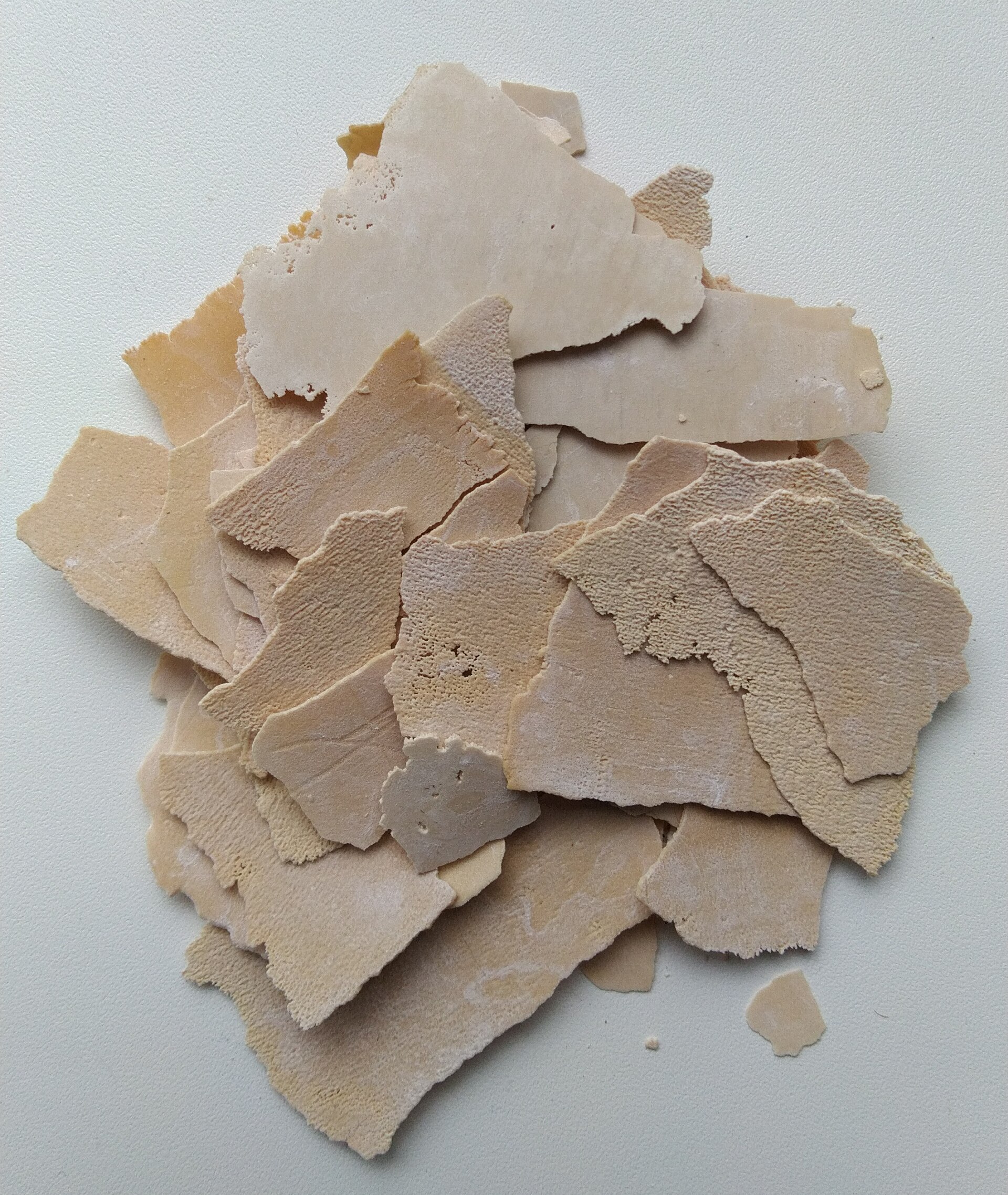
Tap water carries dissolved minerals, mainly calcium and magnesium. When the water is heated, some of these minerals fall out as a hard, chalky crust. This is limescale. It grows inside the boiler, the thermoblock (the small heater in many home machines), the pipes and the brew unit.
Scale causes three problems:
- Weaker heating. The crust acts like insulation, so the machine works harder and shots can come out too cool.
- Slow or uneven flow. Narrow channels clog. You see a weak stream, spluttering or longer brew times.
- Early breakdown. Pumps, valves and heaters wear out faster. Many warranties expect proper descaling.
Cool shots taste sour and thin. If your espresso suddenly got worse, scale is a suspect. Beans and grind are the other usual ones, which our guide to dialing in espresso covers.
How often should you descale?
There is no single number. It depends on two things: how hard your water is and how much you use the machine. A machine in a hard-water city needs more care than one fed with soft or filtered water.
| Your situation | What to do |
|---|---|
| Machine shows a descale alert | Descale soon. The alert is based on use and your water hardness setting. |
| Hard tap water, daily use | Descale more often, and consider filtered water. |
| Soft or filtered water | Descale less often, but do not ignore alerts. |
| Machine unused for weeks | Empty the tank and rinse before using again. |
To find out your water hardness, ask your water supplier or use cheap test strips from a hardware store. Many super-automatic machines, such as the one in our Magnifica S review, let you program water hardness. Set it correctly and the machine times the reminders for you.
What to use to descale: the safe choice
Use a descaler made for coffee machines. The best choice is the product your manufacturer names in the manual, because it is tested with the seals and metals inside.
- Manufacturer descaler. Easiest and safest. For example, De’Longhi EcoDecalk is the maker’s own descaler for its machines.
- Generic coffee-machine descaler. Fine if it states compatibility with your type of machine.
- Citric acid. Some users and guides use it in food-grade form. Check that your manual allows it, and follow the dilution it gives.
- Vinegar. Many makers advise against it. It can leave a strong smell and may harm rubber seals over time. Avoid it unless your manual says it is fine.
Never use bleach, dish soap or oven cleaner in a coffee machine. Never mix descalers.
Step by step: how to descale espresso machine parts
These steps fit most home machines. Super-automatic models often have a built-in descaling program, so use that if you have one.
- Switch off and cool. Let the machine cool. Remove the water filter if your model has one, since descalers can ruin it.
- Empty the trays. Take out the drip tray and the grounds container. Put a large container under the spout and steam wand.
- Mix the descaler. Pour the exact amount of descaler and water your manual states into the clean tank.
- Start the program. On automatic machines, run the descaling cycle. On semi-automatic machines, run solution through the group head and steam wand in short bursts, with pauses, as the manual describes.
- Let it work. Do not stop halfway unless the manual says so. The contact time is part of the cleaning.
- Rinse the tank. Empty it, wash it and fill it with fresh water.
- Flush the machine. Run at least one full tank of fresh water through every outlet, or follow the machine’s own rinse program. Some makers say to run more. Taste the water at the end. It should taste neutral.
- Reassemble. Put the filter back if you removed one, empty the trays and reset the descale alert if your machine has one.
Read next: De’Longhi Magnifica S review · How to clean a moka pot · Espresso without a machine · Coffee bloom explained, Gaggia Classic Pro vs De’Longhi Dedica.
Descaling by machine type
Not every machine works the same way. Here is how the routine differs.
| Machine type | What is different |
|---|---|
| Super-automatic (bean-to-cup) | Usually has a built-in descaling program and a prompt on the display. Follow the on-screen steps and remove any water filter first. |
| Semi-automatic with a boiler | Run the solution through the group head and the steam wand in short bursts. Rest between bursts so the acid can dissolve the scale. |
| Thermoblock machine | The heater is small and narrow, so it clogs sooner. Do not delay descaling if flow slows. |
| Pod or capsule machine | Many have a descaling mode. Check the manual, because the method varies by brand. |
If you are unsure which type you own, look for a portafilter (the handle with a basket). If it has one, it is semi-automatic. If it grinds beans by itself, it is super-automatic. Our review of a popular super-automatic, the Magnifica S, shows what that kind of machine offers.
A simple maintenance routine
Descaling is only one part of care. A short routine keeps coffee tasting clean and makes descaling easier.
- After each session: empty the drip tray and the grounds container. Wipe the steam wand right after steaming milk.
- Every week: wash the water tank, the drip tray and removable parts with warm water and a drop of mild soap. Rinse well.
- Every week or two on semi-automatics: backflush or clean the group head if your manual allows it. Use a cleaning product made for espresso machines.
- Every few months or when alerted: descale, then flush fresh water through the machine.
- Before a long break: empty the tank and leave the lid open so it dries.
Good habits also protect the taste. Old coffee oils turn rancid and give bitter, stale flavors, a problem we also describe in our guide to oily coffee beans, since oils from dark roasts build up faster on grinders and brew units.
What it costs and what you save
A descaling pack is a small expense next to the price of a machine. Prices vary by shop, so check the current price before you buy. The value is in avoiding repairs and keeping shots hot. Spending a little on the right product beats risking a heater that fails.
A tip: buy the descaler when you buy the machine. You will need it within months, and running out when the alert comes on is annoying. Keep the instructions with the pack or take a photo of the relevant manual page.
Common mistakes when you descale
- Skipping the rinse. Leftover descaler tastes sour and chemical. Rinse until the water tastes clean.
- Using hot water or boiling the solution. Follow the temperature in your manual. Hotter is not always better.
- Forgetting the steam wand. Scale builds in the milk system too.
- Leaving the filter in. Many manuals say to remove it first.
- Waiting for a breakdown. If the machine already runs slowly, descale now rather than later.
- Using the wrong product. Descalers for kettles may not be safe for your machine.
How to prevent scale in the first place
Prevention costs less than repair. Three habits help most.
- Use filtered or softer water. A filter jug or an in-tank filter cartridge removes part of the minerals. Do not remove all minerals, though. Very pure water can taste flat and some machines need a little mineral content. Check the manual and the Specialty Coffee Association’s published guidance on brewing water.
- Change the water daily. Do not leave water sitting in the tank for days.
- Set the water hardness. If your machine has the option, set it to match your tap water.
Think of it like the moka pot. A clean pot makes a clean cup, as we explain in how to clean a moka pot. Machines are the same, just with more parts.
Signs you waited too long
- Water flows slowly or in spurts.
- The espresso is lukewarm even after the machine heats up.
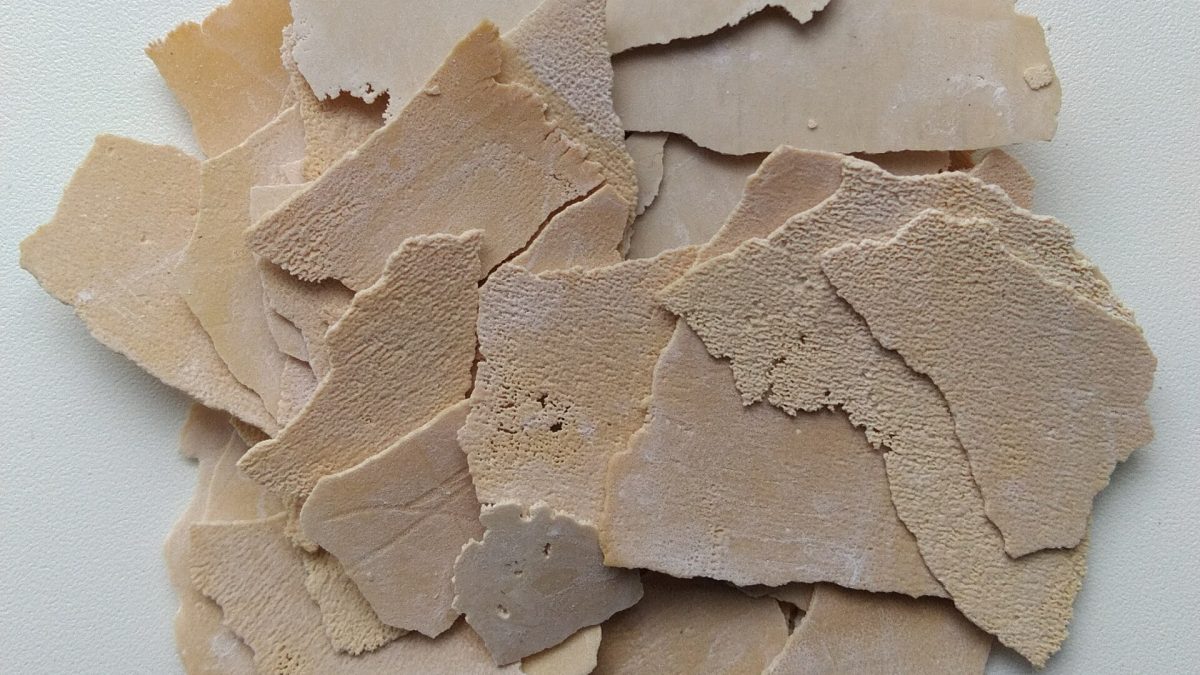
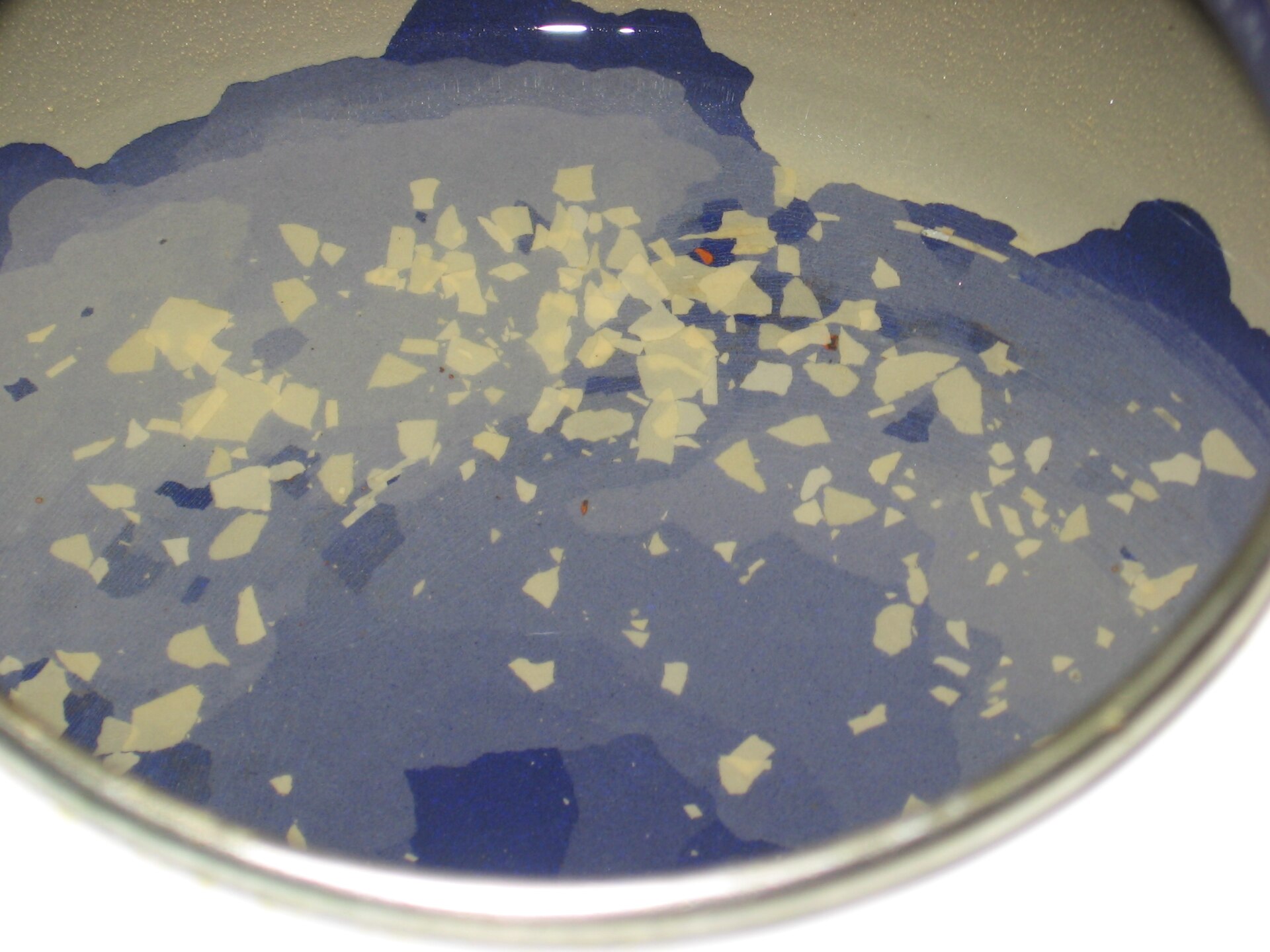
- White flakes appear in the cup or the tank.
- The machine makes louder pump noise than before.
- There is less steam, or the steam wand spits.
If you see these, descale at once. If the problem remains after one or two cycles, contact the maker or a service center. Do not keep forcing the machine.
Descale espresso machine: FAQ
Can I descale an espresso machine with vinegar?
Many manufacturers advise against it. Vinegar can leave a strong smell and may damage rubber seals over time. Use the descaler your manual recommends.
How long does it take to descale an espresso machine?
Often around 20 to 40 minutes, including rinsing. Automatic programs usually run on their own after you start them.
How do I know if my water is hard?
Ask your local water supplier for the hardness figure, or use test strips. Visible white crust on kettles and taps also points to hard water.
Do I need to descale if I use filtered water?
Yes, less often. Filters reduce scale but rarely remove it completely. Follow your machine’s alerts.
Does a moka pot need descaling?
Yes, from time to time. Scale can form in the boiler of a moka pot too. Our guide to cleaning a moka pot explains what is safe for aluminum.
What happens if I never descale?
Flow slows, shots get cooler and parts wear out. In the worst case the heater or pump fails, which can cost more than a new machine.
Your next step
Put a reminder in your calendar, set your water hardness, and buy one pack of the right descaler before you need it. Then spend your money where it counts: fresh beans. We are building IndieRoastersItaly to connect you with independent Italian roasters who roast to order. Join the waitlist on our home page.
As an Amazon Associate, IndieRoastersItaly earns from qualifying purchases. This does not change the price you pay.
This article was written with the support of artificial intelligence for content structuring, and was fully reviewed, verified, and refined by the author.