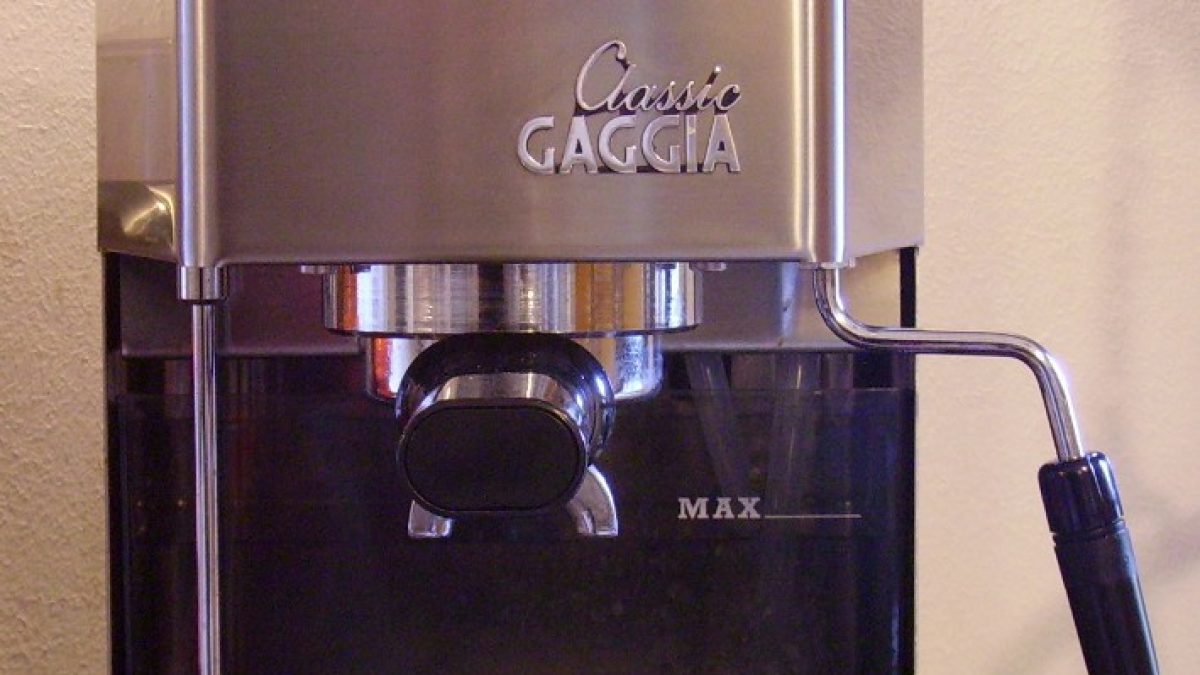
Quick answer: Choose the Gaggia Classic Pro if espresso quality and room to upgrade matter most. Choose the De’Longhi Dedica EC685 if you have a very small kitchen and a tighter budget. Based on published specs and expert and user reviews, the Gaggia gives you more control. The Dedica gives you more convenience. We have not tested either machine ourselves.
The Gaggia Classic Pro vs De’Longhi Dedica question is a classic one for new home baristas. Both brands are Italian. Both machines are semi-automatic, which means you grind, dose, tamp and start the shot yourself. Both cost far less than a prosumer machine. But they are built in very different ways, and that changes what you can do with them.
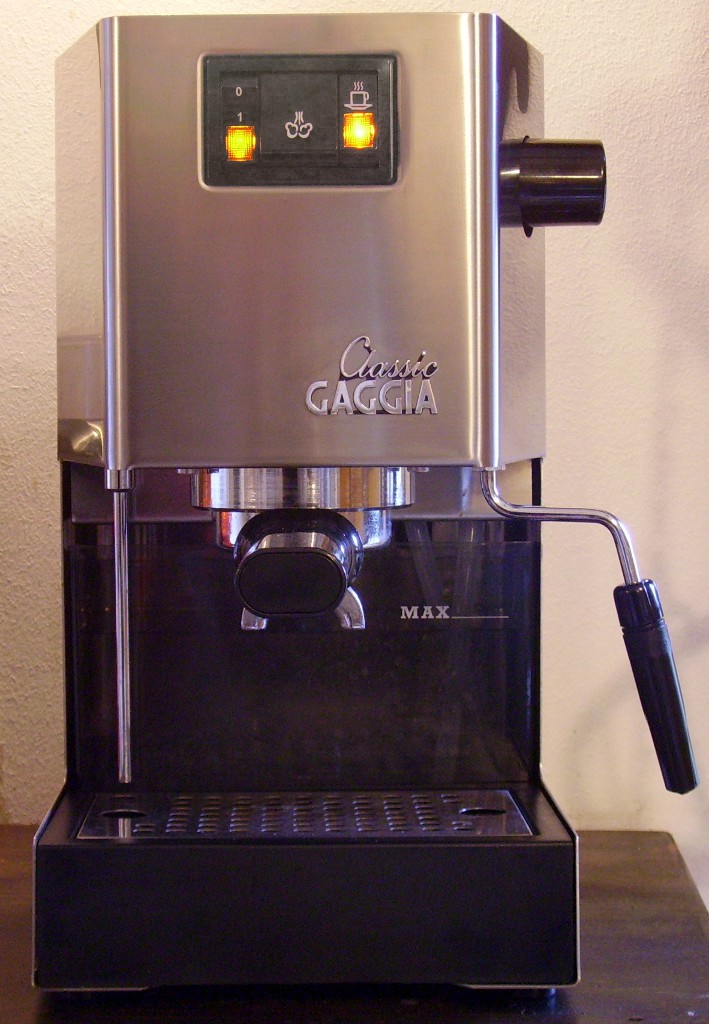
Gaggia Classic Pro vs De’Longhi Dedica at a glance
The table below uses specs reported by a home-espresso review site, Complete Home Barista. Prices change often, so treat them as rough ranges and check the current price before you buy.
| Feature | Gaggia Classic Pro | De’Longhi Dedica EC685 |
|---|---|---|
| Heating system | Single aluminum boiler | Thermoblock |
| Portafilter | 58 mm (commercial standard) | 51 mm |
| Pump pressure | 15 bar, with a 9 bar OPV | 15 bar, no OPV reported |
| Width | 9.5 in | 5.9 in |
| Weight | 17.6 lb | 9.0 lb |
| Steam wand | Commercial-style | Panarello (frothing aid) |
| Upgrade potential | Wide (PID, baskets, OPV) | Limited |
| Reported price range | $380–$450 | $230–$280 |
An OPV is an over-pressure valve. It limits the pressure of the water that hits the coffee. Espresso is usually made around 9 bar, so a machine tuned to that number has an advantage. A thermoblock is a metal block with a heating pipe inside. It heats water as it flows through, instead of storing it in a tank.
Espresso quality: boiler or thermoblock?
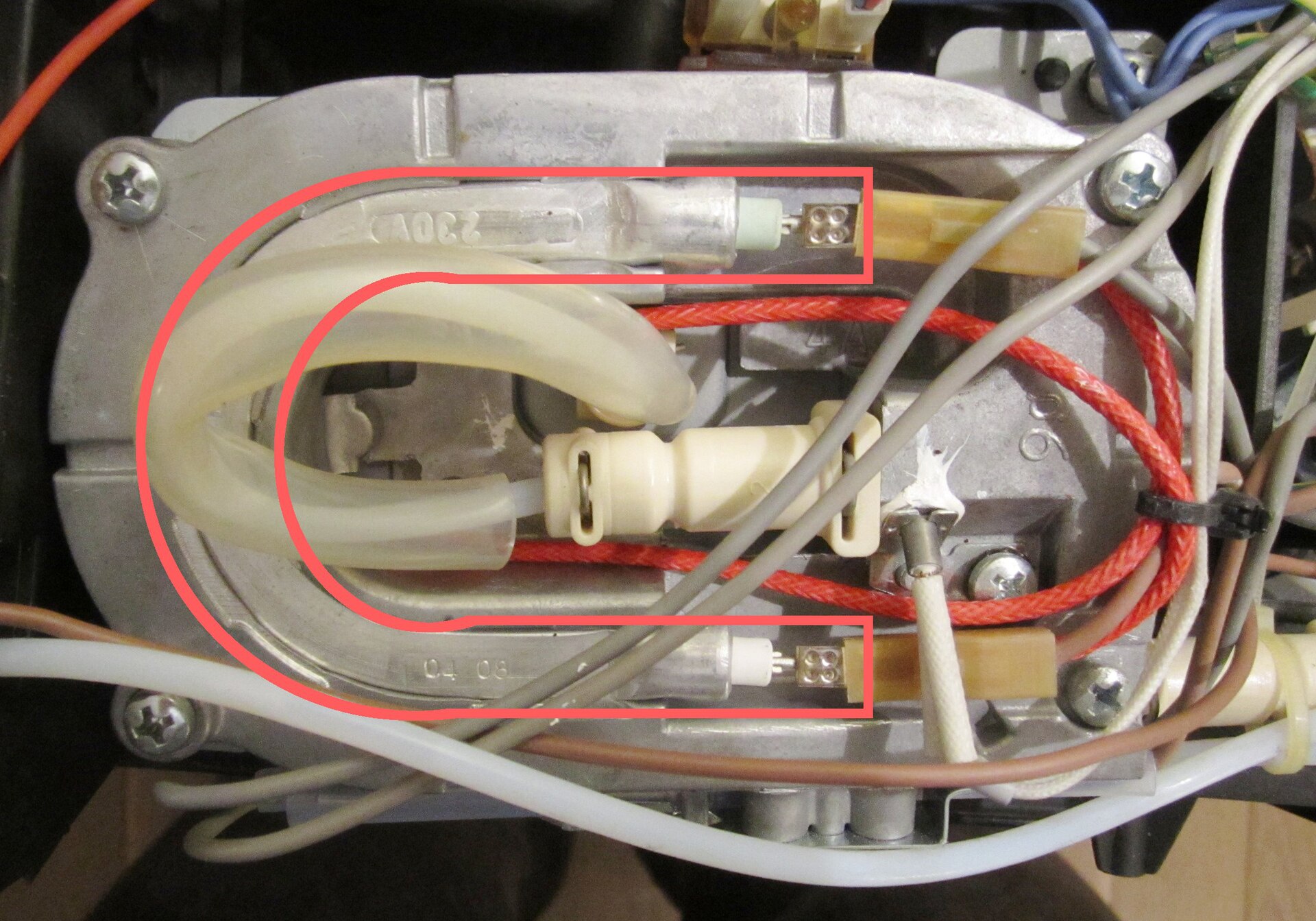
The Gaggia stores hot water in a small boiler. That gives the machine thermal mass. Temperature tends to stay steadier during the shot. The Dedica heats water on demand with a thermoblock. It is fast, but reviewers report more temperature swings.
The portafilter matters too. The Gaggia uses the 58 mm size common in cafés. That means many baskets, tampers and accessories fit. The Dedica uses a 51 mm portafilter, so choices are narrower. A larger basket also holds a bigger dose, which can help with even extraction.
Most reviewers conclude that the Gaggia makes better espresso when both machines get fresh coffee and good technique. Note the condition. A great machine cannot fix stale or badly ground coffee. If you want a cup that tastes like it came from a good Italian bar, start with the beans and the grinder. Our guide to the best manual coffee grinders is a good first read.
A short history: why Gaggia matters
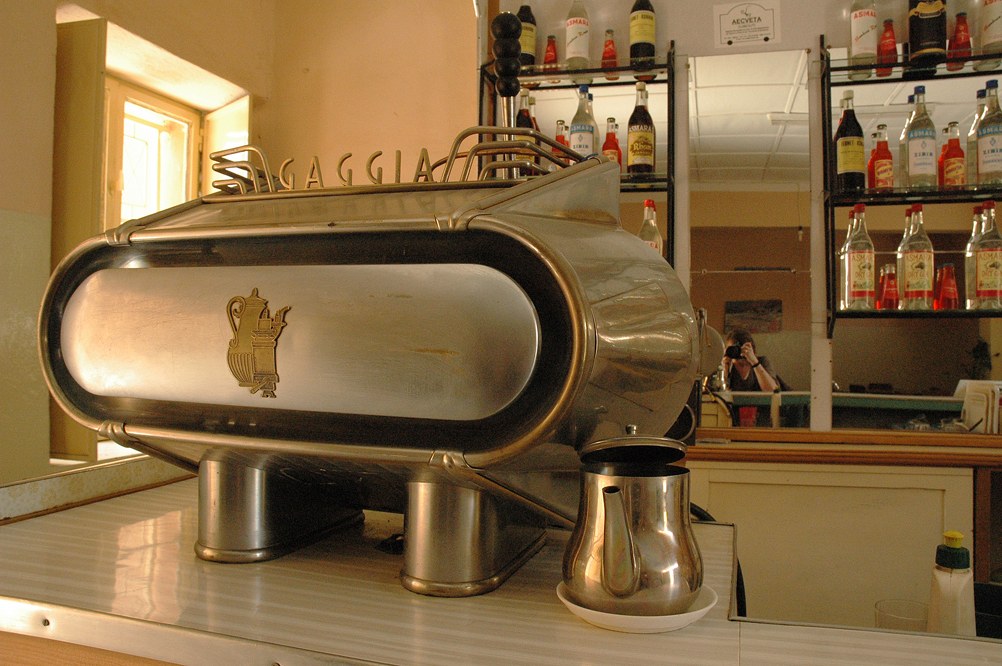
According to Wikipedia, Giovanni Achille Gaggia applied for a patent on 5 September 1938 for the first modern steamless coffee machine. It pushed water through the coffee at high pressure and produced the crema that defines espresso. The company was founded in 1947 and incorporated in 1948.
The Gaggia Classic arrived in 1991. The Classic Pro followed in 2019, and a Classic Pro Evo (model RI9380) in 2023, with an improved steam wand and new colors. On Amazon the current model appears under the code RI9380 and the label “E24.” So the machine you buy today carries a long Italian lineage. For the wider story, read our history of Italian espresso.
Read next: how to dial in espresso, how to descale your espresso machine, the De’Longhi Magnifica S review, and the best water temperature for coffee.
Milk drinks: steam wands compared
The Gaggia Classic Pro has a commercial-style steam wand. It takes practice, but it lets you learn real microfoam. The Dedica has a Panarello wand. This type mixes air and milk automatically, which makes foam easy but fairly bubbly. Some owners remove the sleeve to get a bare tip, according to the review we read.
If you drink mostly cappuccino and latte, ask yourself one thing. Do you want to learn steaming, or do you want a quick foam? The first path points to the Gaggia. The second points to the Dedica. If you prefer the Italian habit of a short, strong espresso, the wand matters much less.
Upgrades and long-term value
The Gaggia has a large modding community. Common upgrades named by reviewers include a PID temperature controller, a 9 bar OPV spring, precision baskets and a bottomless portafilter. A reviewer estimates a fully modified Classic Pro at about $550–$650 in total, and says it can then rival much pricier machines. That is one reviewer’s estimate, not a lab result.
The Dedica has fewer options. Owners mention swapping the OPV spring and replacing the basket. After that, there is not much more to do. This is fine if you want a machine that works and stays out of your way.
Size, weight and daily use
The Dedica is only 5.9 inches wide and weighs about 9 pounds. It fits where other machines do not. The Gaggia is 9.5 inches wide and about 17.6 pounds, so it likes a permanent spot on the counter. The Amazon listing for the Dedica EC685M shows a 35 oz tank, which is enough for several drinks but means frequent refills if you make many.
- Choose the Gaggia Classic Pro if you want better espresso, a real steam wand and a machine you can improve over time.
- Choose the De’Longhi Dedica if space is tight, the budget is under about $300, and you want a simple routine.
- Skip both if you want chicchi-to-cup at the push of a button. See our Magnifica S review for a bean-to-cup option.
What you must buy besides the machine
A semi-automatic machine needs good partners. Without them, even a great machine disappoints. Plan for these items:
- A grinder. A good grinder matters more than the machine. See our grinder guide.
- A scale. Weighing the dose and the shot makes results repeatable. Read about coffee scales.
- Fresh beans. Roasted within weeks, not months.
- Descaling. Follow our descaling guide to protect either machine.
Common mistakes with entry-level espresso machines
- Buying the machine and skipping the grinder. Pre-ground coffee often gives flat, sour or bitter shots.
- Changing too many things at once. Change one variable per shot: grind size, dose or time. Our dial-in guide shows how.
- Ignoring the warm-up. Let the machine and portafilter heat up before the first shot.
- Never cleaning it. Scale and old oils change the taste and shorten the life of the machine.
Which buyer are you?
Specs help, but real life decides. Here are three common buyers, and the machine that tends to suit each one.
The curious beginner in a small flat. You have a narrow counter and want to try espresso without a big spend. The Dedica fits. Its small size and lower price lower the risk. Keep your expectations realistic: it is a way in, not an endpoint.
The tinkerer who likes to learn. You enjoy changing one thing and tasting the result. The Gaggia rewards that. A standard 58 mm portafilter and a big modding scene mean the machine grows with your skills.
The milk-drink lover. If you make several cappuccinos a day, steam power and wand quality matter. The Gaggia’s wand gives more control once you practice. The Dedica gives faster, simpler foam. Neither is a bar machine, so expect some waiting between shots and milk.
A simple first-week routine
Whichever machine you pick, a clear routine helps you improve. Use this one for your first week.
- Warm up the machine and the empty portafilter before you start.
- Weigh the dose of beans on a scale and write it down.
- Grind fresh, level the grounds, and tamp with even pressure.
- Aim for roughly twice the dose weight in liquid espresso. A common starting point is about 25 to 30 seconds. Treat this as a starting guide, not a rule.
- Taste the shot. Sour usually means grind finer or run longer. Bitter usually means grind coarser or stop sooner.
- Change one variable at a time, and write down what you did.
For the full method, including the logic behind sour and bitter, see our dial-in espresso guide. For the ideal ratio on other brew methods, our coffee-to-water ratio guide is useful.
What about bean-to-cup and moka alternatives?
Not everyone wants a semi-automatic machine. If you hate the routine above, a bean-to-cup machine does the grinding and tamping for you. We looked at one in our De’Longhi Magnifica S review. If you want something cheaper and very Italian, a stovetop moka pot makes strong coffee for a fraction of the price, though it is not true espresso.
FAQ: Gaggia Classic Pro vs De’Longhi Dedica
Is the Gaggia Classic Pro better than the De’Longhi Dedica?
For espresso quality and upgrades, most reviewers say yes. For size and price, the Dedica wins. “Better” depends on what you value.
Which one is easier for a beginner?
The Dedica is simpler to start with. The Gaggia asks more of you but teaches more. Either way, a good grinder is the real beginner need.
Do I need a grinder for these machines?
Yes, for the best results. Pre-ground coffee limits what any espresso machine can do.
Is the Dedica a good machine for lattes?
It can make them. The Panarello wand makes foam quickly, though it is less precise than the Gaggia’s wand.
Are these machines made in Italy?
Both are Italian brands. Where each unit is made can vary by model and year, so check the box or the product page. Wikipedia says the newer Gaggia Classic is made in Italy.
Did you test these machines?
No. This guide is based on public specs, Wikipedia, and published expert and user reviews. We flag when a number is a reviewer’s estimate.
Your next step
Write down three numbers before you shop: your total budget, your counter width, and how many milk drinks you make each week. Then pick the machine that fits those numbers, and set aside part of the budget for a grinder.
As an Amazon Associate, IndieRoastersItaly earns from qualifying purchases. This does not change the price you pay.
IndieRoastersItaly is building a map of independent Italian roasters, with specialty coffee delivered fresh. Join the waitlist on our home page to hear when it opens.
This article was written with the support of artificial intelligence for content structuring, and was fully reviewed, verified, and refined by the author.