
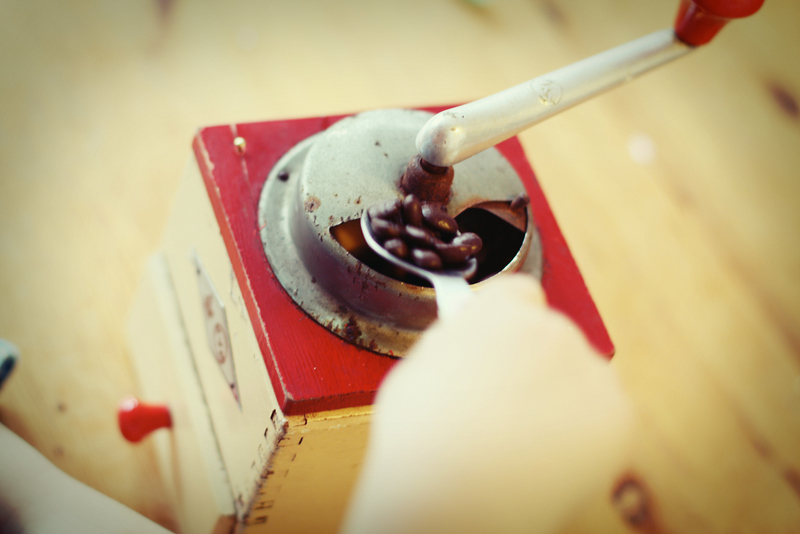
Comandante vs Timemore is the hand grinder debate that never ends. One is a German-made classic that costs about $300. The other is a Chinese brand that sells a good grinder for about $100. Both make fine coffee. So what do you get for the extra money? We have not tested these grinders ourselves. This guide pulls together published specs, expert reviews, and what owners report. Prices are rough and change often, so check before you buy. Comandante vs Timemore at a glance The numbers below come from The Coffee Locator’s C40 review, which lists both grinders side by side. Price and build quality The price gap is the first thing you see. The Comandante C40 costs about three times as much as the Timemore. For that money you get a wooden body, a glass catch jar, and a name known for build quality. Reviewers expect a C40 to last 15 to 20 years. Replacement burrs run about $60 to $80, and the maker gives a two-year warranty. The Timemore Chestnut C3 is lighter and cheaper. It is also made to travel, with a handle that folds flat. It will not feel like an heirloom. Still, it feels solid for the price. You can read more in our Timemore C3 review. Grind quality and consistency Here the C40 wins on paper. Both grinders use conical burrs, which crush beans between two steel cones. In one published review, the writer served blind cups to colleagues. They picked the C40 cup as cleaner 80% of the time. That is one test, so treat it as a hint, not a rule. Each click on the C40 dial moves the burrs about 30 microns. That lets you note one number for each brew method and repeat it. For pour-over, the gap is small. Many owners say the C3 makes a very good V60 at a third of the price. Not sure where to start? Our coffee grind size guide shows the right grind for each method. Espresso is where hand grinders hurt Espresso needs a fine grind, and a fine grind means hard work. The same review says an 18g dose can take 75 to 120 seconds of cranking on the C40. A short handle adds to the effort. If you pull shots every day, an electric grinder is the better tool. For an occasional shot, either hand grinder can do the job. Travel, capacity and daily use The C40 holds 25 to 35g of beans. That fits one or two cups. The C3 holds a little less. Both suit one or two people. For a family or a big batch, look at a larger hand grinder. The Timemore folds its handle, so it packs well. The C40 has no folding handle, and its glass jar needs a wrap in your bag. On the plus side, hand grinders are quiet. There is no motor to wake the house. Comandante C40 vs Timemore C3: specs side by side Here are the main specs in one place. Figures come from maker and retailer listings, such as Prima Coffee for the C40 and Espresso Gear for the C3. They can change between versions, so check the listing before you buy. Feature Comandante C40 MK4 Timemore Chestnut C3 Burrs Nitro Blade conical burrs, 39mm, high-nitrogen stainless steel S2C660 conical burrs, 38mm, stainless steel Adjustment Internal click dial, about 30 microns per click Internal click dial Finer steps Optional Red Clix axle, about 15 microns per click Not offered Handle Fixed Folds flat for travel Rough price About $270 to $350 About $100 Best for Filter lovers who want a long-term tool Value, beginners and travel Comandante and Timemore grind settings by brew method Both grinders count clicks from zero. Zero is the point where the burrs just touch. Close the dial gently until it stops, then count the clicks as you open it. The ranges below are starting points from published charts, not fixed rules. Your beans, roast level and taste will move the right number. Brew method Comandante C40 (standard axle) Timemore C3 Espresso 10 to 15 clicks 5 to 10 clicks Moka pot 15 to 20 clicks 10 to 17 clicks AeroPress Depends on recipe 9 to 25 clicks Pour-over (V60) 22 to 32 clicks 11 to 24 clicks (V60 about 11 to 18) French press 25 to 30 clicks 19 to 25 clicks Cold brew 30 to 35 clicks 22 to 25 clicks The C40 figures are the maker’s suggestions as reported by Homegrounds. Other guides put espresso a little finer, around 7 to 13 clicks. The C3 figures come from the Barista Life chart. Honest Coffee Guide advises against going below about 6 clicks on the C3, to protect the burrs. Start in the middle of the range. If the coffee tastes sour and thin, go one or two clicks finer. If it tastes bitter and harsh, go one or two clicks coarser. Our guide on how to dial in espresso walks through this step by step. Our V60 pour-over guide and moka pot guide have full recipes. What is Red Clix on the Comandante? Red Clix is an optional replacement axle for the C40, with a red dial. It adds a step between every two standard clicks, so 10 standard clicks become 20. Each step moves the burrs about 15 microns, according to retailer Crema. That finer control helps most with espresso. Do not mix Red Clix parts with standard parts. What about the Timemore S3 vs Comandante C40? Many people now compare the Timemore S3 with the Comandante C40. The Chestnut S3 is a newer, more premium Timemore. Its big change is an external dial, a first for the brand. You set the grind from the outside, without taking the handle off. That puts the S3 between the C3 and the C40 on price. It is built mainly for pour-over. One detailed review found that espresso shots still ran too fast at its finest setting. So if filter coffee is your
Costa Rica Coffee: 7 Essential Facts About Its Bright, Sweet Cup
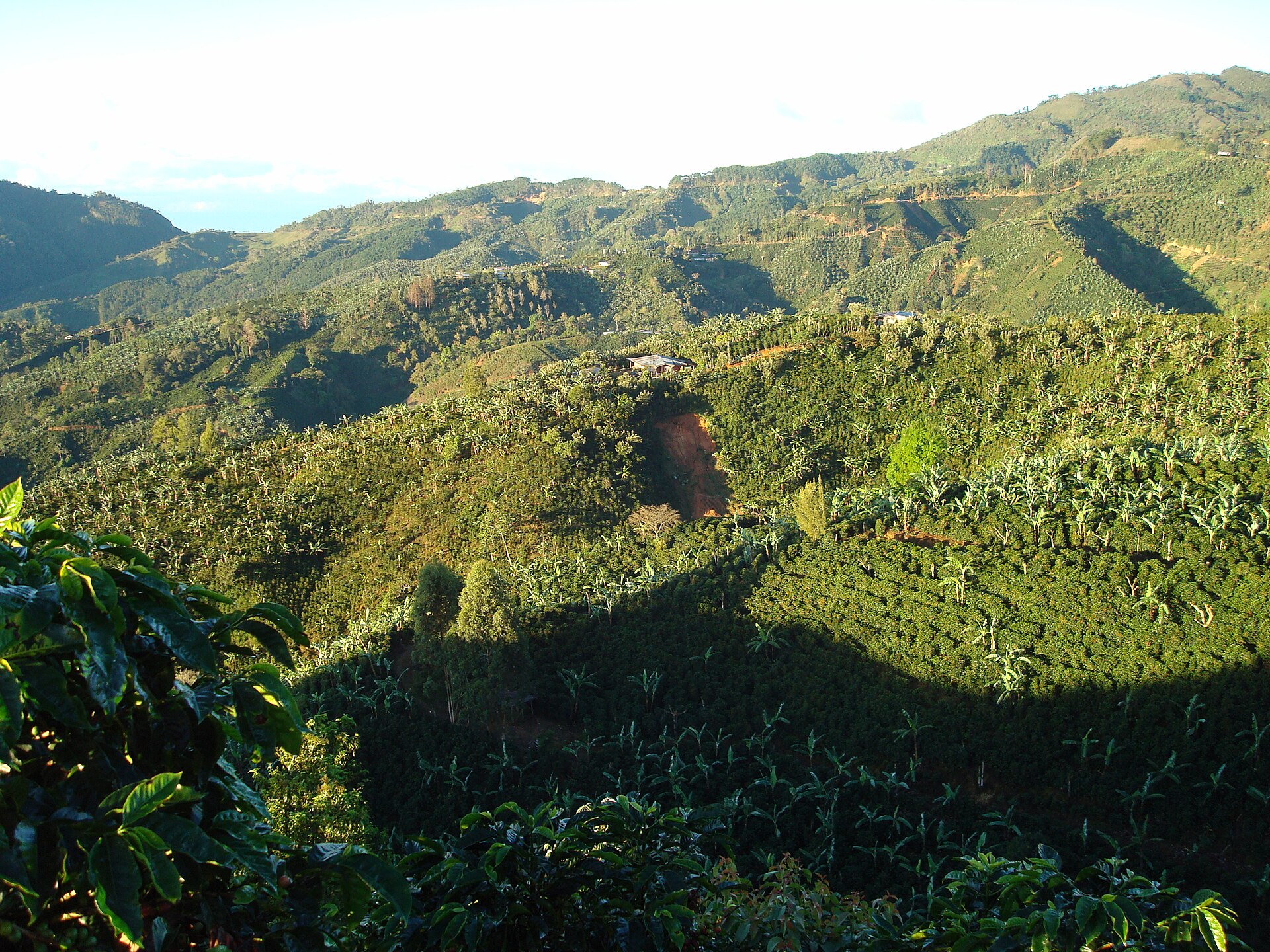
Costa Rica coffee is a quiet star of the specialty world. The country is small, yet its cups are clean, sweet, and bright. Many roasters love it for that balance. Here are seven facts that explain why. Where Costa Rica Coffee Grows 1. High Hills Shape the Flavor Most of the best beans grow in the mountains. In the famous Tarrazú region, farms sit between about 1,500 and 1,800 meters above sea level. At that height the cherries ripen slowly. Slow ripening builds sugar and gives a more complex cup. Other well-known areas include the Central Valley and the West Valley. 2. Only Arabica Is Allowed For about 30 years Costa Rica banned the growing of robusta by law. Since 2018 it is allowed only in low areas that are not suited to arabica, so the classic coffee regions still grow arabica, the species that wins most praise for flavor. If you want to learn how the two species differ, read our guide to Arabica vs Robusta. The country also has a long coffee story, which Wikipedia covers in detail. 3. Familiar Varieties, Careful Picking Farmers grow varieties such as Caturra, Catuaí, and Villa Sarchí. (A variety is a family of coffee plants, like a type of apple.) The harvest runs from late autumn into early spring. Many farms pick only the ripe red cherries, by hand, in several passes. How Processing Changes the Cup 4. Washed Coffee Tastes Clean Washed is the classic style here. The fruit is removed before the beans dry. The result is a clear, crisp cup with citrus, apple, and chocolate notes. It shows the farm and the altitude very well. 5. Honey Process Adds Sweetness Honey process is popular in Costa Rica. The name sounds odd, because no honey is used. Instead, the beans dry with some of the sticky fruit layer still on them. Yellow honey coffees often taste of cherry, strawberry, and caramel, with a creamy feel. Our guide to coffee processing methods explains more. How to Taste and Brew Costa Rica Coffee 6. What to Expect in the Cup Expect medium body and a lively but soft acidity. Common notes are milk chocolate, red fruit, almond, and a little spice. It is less wild than a natural Ethiopian coffee. It is also more lively than a typical Brazilian. Compare it with our Antigua Guatemala profile to see how two Central American coffees differ. 7. Easy to Brew at Home This coffee is friendly. A pour-over brings out the sweetness and fruit. A moka pot gives a rich, sweet cup, too. Use water just off the boil, and read our guide to coffee water temperature for the details. Start with a medium roast and taste before you tweak anything. One more tip: look at the label. A good bag names the region, the farm or mill, and the process. It also lists the harvest year. These small details show that the roaster cares. Many Costa Rican farms run their own small mills, so the coffee is often traced to a single lot. Try two bags side by side. Pick one washed and one honey. Brew both the same way. You will taste the difference in a single morning, and you will learn what you like best. Costa Rica Coffee Regions at a Glance Costa Rica has long been divided into eight coffee regions. Each one has its own altitude, rain and harvest calendar. The table gives typical ranges published by 1Zpresso and flavor notes from the Costa Rican roaster Café Britt. Use them as a guide, not as a rule. Region Typical altitude Harvest Flavor notes Tarrazú (Los Santos) 1,200–1,900 m Nov–Mar Chocolate, orange, vanilla, dried fruit West Valley 700–1,600 m Oct–Feb Orange, peach, honey, vanilla Central Valley 1,000–1,400 m Nov–Feb Chocolate, fruit, honey aroma Tres Ríos 1,200–1,650 m Nov–Mar Balanced acidity Orosi 1,000–1,400 m Sep–Mar Smooth and balanced Turrialba 500–1,400 m Jul–Mar Mild acidity, light body Brunca 600–1,700 m Aug–Feb Complex citrus Guanacaste 600–1,300 m Jul–Feb Smooth body, light acidity One update is worth knowing. In 2025 the coffee institute ICAFE redrew the map, according to El Financiero. Tres Ríos joined the Central Valley, Tarrazú took the name Los Santos, and Brunca was split in two. Older names still appear on many bags, so you will see both. When Is the Costa Rica Coffee Harvest? Across the country, picking runs roughly from October to March, says the green coffee trader Sucafina. Lower regions start earlier. High farms in Tarrazú finish later. Coffee then rests and ships in spring, so fresh Costa Rican lots usually reach roasters from late spring into summer. White, Yellow, Red and Black Honey: What Is the Difference? Costa Rica made honey process famous. The color names describe how much of the sticky fruit layer, called mucilage, stays on the bean while it dries. One common scale, published by Origin Coffee, looks like this: Type Mucilage removed Typical cup White honey Most or all Clean, close to washed Yellow honey About half Sweet, light fruit Red honey About a quarter Fruitier, rounder body Black honey None, often covered while drying Deep sweetness, heavy body, winey notes Producers do not all use the same rules, so read the label as a hint of style. Our guide to coffee processing methods compares honey with washed and natural coffee. The Micro-Mill Revolution Until the late 1990s most farmers sold cherry to big mills and cooperatives. Their coffee was mixed with everyone else’s. After the price crash of that decade, some families started to process their own harvest on small machines. Blue Bottle dates the first independent micro-mill to 2000, in Tarrazú. The idea spread fast. With their own mill, a farm can keep each lot separate, try new processes and sell directly to roasters. That is why so many Costa Rican bags now name a single farm, a single mill, and even a single hillside. How Much Coffee Does Costa Rica Produce? Costa Rica is a small producer by world
Single Origin Coffee Myths: 6 Surprising Truths About Blends
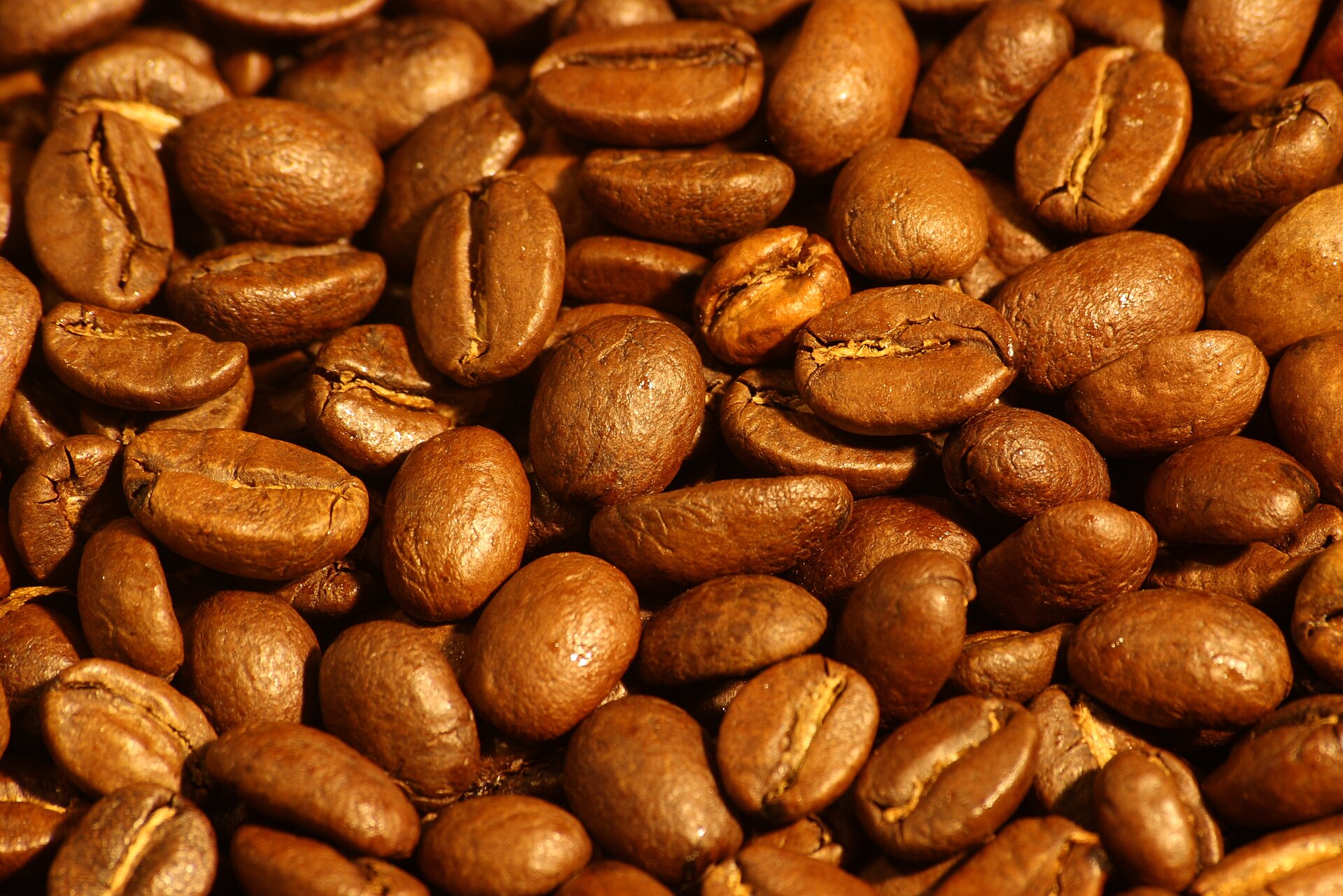
Single origin coffee has a halo. Walk into any specialty shop and the label sounds like a promise: one farm, one hillside, one pure taste. But is single origin coffee really better than a blend? Not always. Here are six myths that deserve a second look. What Single Origin Coffee Really Means Single origin coffee comes from one place. That place can be a country, a region, a farm, or even one lot on a farm. The more exact the label, the more you know about the cup. Wikipedia describes it as coffee grown in one known place. A blend mixes beans from two or more places. Roasters build blends on purpose, to reach a taste that one coffee cannot give alone. Neither word tells you about quality. Quality comes from the farm, the process, and the roast. To see how processing shapes flavor, read our guide to coffee processing methods. Six Single Origin Coffee Myths, Debunked Myth 1: Single Origin Is Always Higher Quality A blend of two excellent lots can beat a tired single origin. The label tells you where the beans grew. It does not tell you how good they are. Look for a harvest date, clear tasting notes, and a roaster who names the farm. Our SCA score guide explains how experts rate quality. (SCA stands for Specialty Coffee Association.) Myth 2: Blends Hide Bad Beans Cheap blends can do that. But good roasters blend to build balance. One coffee brings sweetness. Another adds body. A third adds a touch of fruit. Think of a chef who mixes spices. The Italian espresso tradition is built on this idea. A classic Italian blend gives a thick, sweet shot that holds up under milk. Myth 3: Single Origin Always Tastes Fruity and Bright Many do, especially coffees from East Africa. But a Brazilian single origin often tastes of nuts and chocolate. A coffee from Sumatra can taste earthy and deep. Origin shapes taste, yet it never promises one style. Our Brazilian coffee profile shows how mellow a single origin can be. Myth 4: Single Origin Is Best for Espresso Many specialty bars serve single origin espresso, and it can shine. It is also harder to get right. Acidity can turn sharp if the shot is a little off. Blends are more forgiving. That is why they sit at the heart of most traditional Italian bars. For pour-over coffee, single origin often shows more detail. Myth 5: A Blend Tastes the Same Every Time A good blend is built for consistency, yes. Roasters retune the recipe when crops change, so your cup stays familiar all year. But it is not a fixed formula. Seasons shift, and the best roasters adjust the mix by tasting. Single origin changes with each harvest, which is part of the fun. Myth 6: Single Origin Always Costs More Often it does. Rare lots cost more. But a fairly priced single origin from Brazil or Colombia can cost the same as a blend. Price follows scarcity and farm work, not the label. Single Origin vs Blend: Quick Comparison Single origin Blend Where the beans come from One country, region, farm or lot Two or more origins Taste Shows the character of one place Built for balance Consistency Changes with each harvest Kept similar all year Best for Pour-over, filter, black espresso Espresso with milk, daily cups Forgiving to brew Less More Main question to ask Which farm, process and harvest? What is in it and why? Neither column is “better”. They solve different problems. A blend aims for the same good cup every day. A single origin aims to show you a place. How to Read a Single Origin Coffee Label The more a label tells you, the easier it is to judge the coffee before you open it. Here is what each line usually means. Single Origin, Single Estate and Microlot: What Is the Difference? These words are often mixed up. They describe how narrow the origin is. Term What it usually means Example Single origin From one country or one region Colombia, Huila Single estate (single farm) From one farm or one producer One named finca in Huila Microlot A small, separate part of a harvest, often one plot, one variety or one picking day One terrace of that finca, processed on its own There is no legal definition for these terms, so roasters use them a little differently. The extra details on the label tell you more than the word itself. Our Colombia Huila coffee profile is a good example of a single origin from one region. How to Choose Between Single Origin Coffee and a Blend Start with how you brew. For espresso with milk, try a blend. For pour-over or a slow morning cup, try a single origin. Then follow your taste. If you love sweet and round, ask for a blend or a Brazilian lot. If you love bright and juicy, try a washed Ethiopian or Kenyan coffee. (Washed means the fruit is removed before the beans dry.) Buy small bags from a small roaster, and check the roast date. Brew one for a week, then switch. Tasting the two side by side teaches more than any label. For more on common beliefs, read our specialty coffee myths guide. Single Origin Coffee: Common Questions Is single origin coffee better than a blend? Not always. It is different. Single origin shows the taste of one place; a blend is built for balance and consistency. A great blend can beat an average single origin. Is single origin coffee good for espresso? It can be, especially if you drink espresso without milk. It is harder to dial in, because bright acidity can turn sour. Blends are more forgiving. Our guide to dialing in espresso helps with either. Why is single origin coffee more expensive? Small, traceable lots are scarce and often cost more to grow, sort and process. But origin alone does not set the price. Many single origins from large
Bicerin Coffee: The Surprising Story of Turin’s Layered Drink
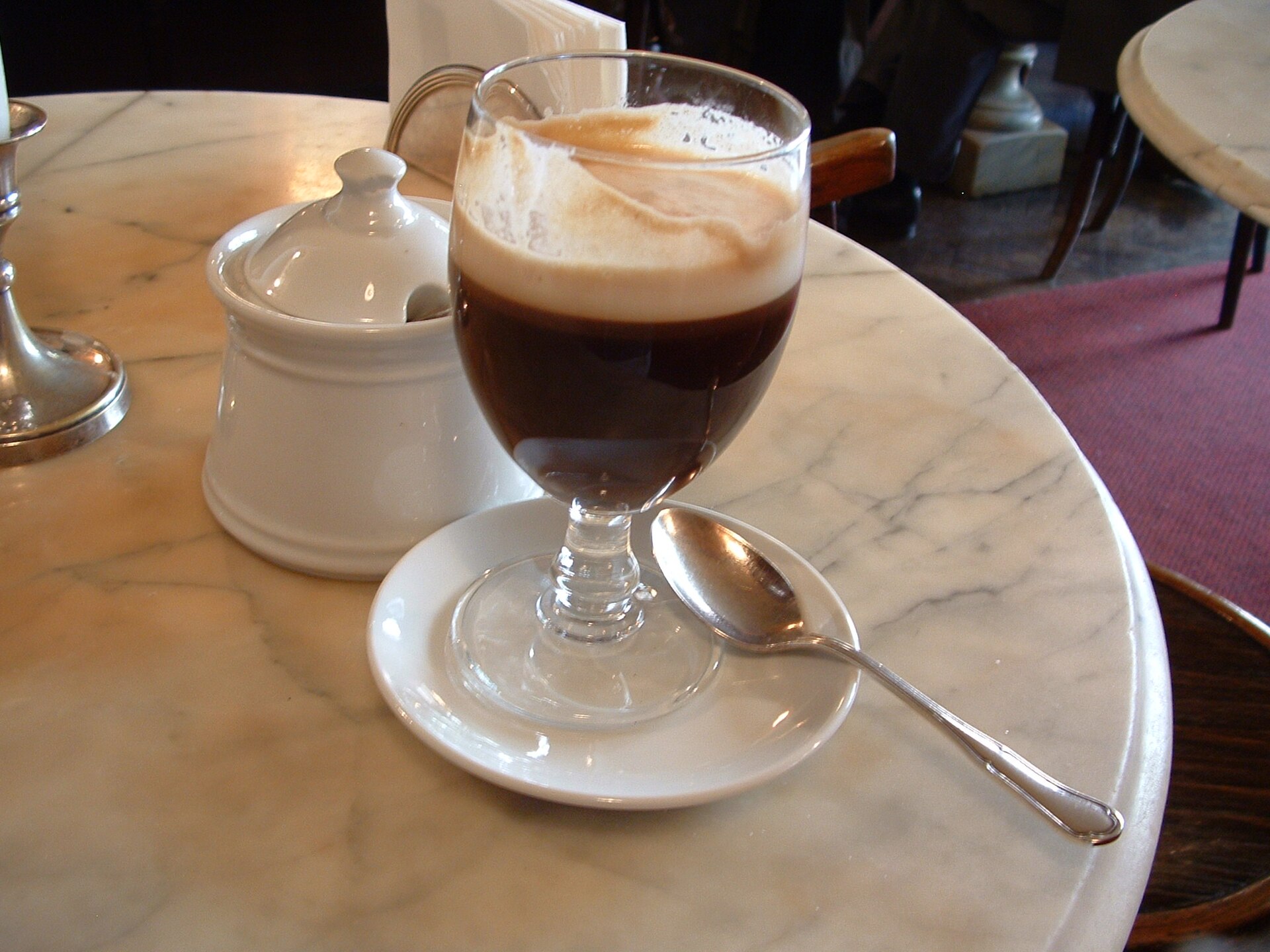
Everyone knows espresso. Fewer people know bicerin coffee, the layered drink that Turin has served for more than two centuries. It mixes espresso, hot chocolate, and cream in one small glass. It looks simple. Its story is not. In this article, we trace where the drink came from, why it is never stirred, and how it became a symbol of northern Italy. You will also find a simple way to make it at home. What Is Bicerin Coffee? Bicerin (say it “bee-cheh-REEN”) is a hot drink from Turin, the capital of the Piedmont region in northwest Italy. The name comes from the local Piedmontese dialect. It means “small glass,” which is exactly how the drink is served. Three layers sit in the glass. At the bottom is thick, hot drinking chocolate. In the middle is espresso. On top is a cap of lightly whipped milk cream. The layers stay separate, and that is the whole point. You do not stir it. You sip it through the cream, so each mouthful mixes the three flavors a little differently. The first sip is cream and coffee. The last one is rich chocolate. The Roots: From Bavareisa to Bicerin Turin was a city of chocolate long before it was a city of espresso. By the 1600s, the royal court of the Savoy family loved drinking chocolate. Cafés and chocolate makers grew around the court. One popular drink of that era was the bavareisa. It was a tall, warm mix of coffee, chocolate, milk, and sugar, served in a large glass. Some writers trace the name to Bavaria, though the link is debated. Customers drank it for warmth and energy on cold Alpine winters. The bicerin is often described as a refined cousin of that drink. Instead of mixing everything together, bakers and baristas started pouring the ingredients in layers. The portion also got smaller. The result was lighter on the eye and more elegant. The Café That Gave the Drink Its Name The center of the story is Caffè Al Bicerin. It opened in 1763 on Piazza della Consolata in Turin. It sits right beside the Santuario della Consolata, a well-known church in the old part of the city. According to widely repeated accounts, the café began as a modest place. It sold coffee, chocolate, and simple drinks to pilgrims and neighbors. Over time, the house version of the layered drink became so famous that the shop took its name. This is said to have happened in the early 1800s. Today, the café is still there. It is small, with dark wood, marble tables, and mirrors on the walls. Many visitors say it feels like stepping back into the nineteenth century. Its exact recipe is said to be a closely held secret. Famous Fans of the Little Glass Bicerin has a long list of well-known admirers. Accounts of the café often mention Camillo Benso, Count of Cavour, a key figure in the unification of Italy. Writer Alexandre Dumas is said to have praised the drink. The composer Giacomo Puccini, philosopher Friedrich Nietzsche, and author Italo Calvino are also linked to the place. Not every story can be checked. Café legends tend to grow over time. Still, the repeated names show how deeply the drink belongs to Turin’s cultural life. For a wider look at Italy’s old cafés, see our piece on historic cafés in Italy. Why Turin? The Chocolate and Coffee Connection Turin is one of Europe’s chocolate capitals. The city is known for gianduja, a sweet paste of chocolate and hazelnuts. During the Napoleonic era, cocoa became scarce and expensive. Chocolate makers stretched it with local hazelnuts. That gave the city a lasting chocolate craft. Coffee arrived through the port cities and trade routes of the Mediterranean. Cafés grew into social spaces for writers, officers, and politicians. Mixing the two prized drinks in one glass felt natural in a city that loved both. If you want the wider story of Italian coffee, our guides to the history of espresso and the history of the moka pot are good next reads. The moka is the small stovetop brewer many Italian homes use for daily coffee. How Bicerin Differs from Other Coffee-Chocolate Drinks Coffee and chocolate drinks exist around the world. The bicerin stands out for a few reasons. Our overview of Italian coffee drinks covers more of these local specialties. How to Make Bicerin at Home You can make a good home version without secret recipes. It will not match the original, but it captures the spirit. Here is a simple approach for one serving. What You Need Steps Use a good dark chocolate with real cocoa flavor. Choose fresh coffee from a small roaster. The quality of both ingredients shows in a drink this simple. When and How to Enjoy Bicerin Coffee Bicerin is rich, so it works best as a treat. In Turin, people often enjoy it as an afternoon pause. Some have it at breakfast with a plain biscuit. Others order it after a walk on a cold day. Pair it with something light and not too sweet. A simple shortbread, a few hazelnuts, or a dry cookie all work well. Avoid heavy cakes, since the drink already carries plenty of sweetness and fat. Serve it in a glass, not a ceramic mug. The layers are part of the show. A clear glass lets you see them before the first sip. A small spoon helps you lift the cream, though many people simply drink straight from the rim. Finally, drink it while it is hot. As it cools, the cream thickens and the chocolate settles. The balance shifts, and the drink loses its charm. Slow sips are fine, but do not let it sit for half an hour. Common Mistakes When Making It Frequently Asked Questions Is bicerin served hot or cold? It is traditionally served hot. The chocolate and coffee should be warm so the layers feel comforting. Does bicerin contain alcohol? The classic drink does not. You
Coffee Water Temperature: The Essential Guide to a Better Cup
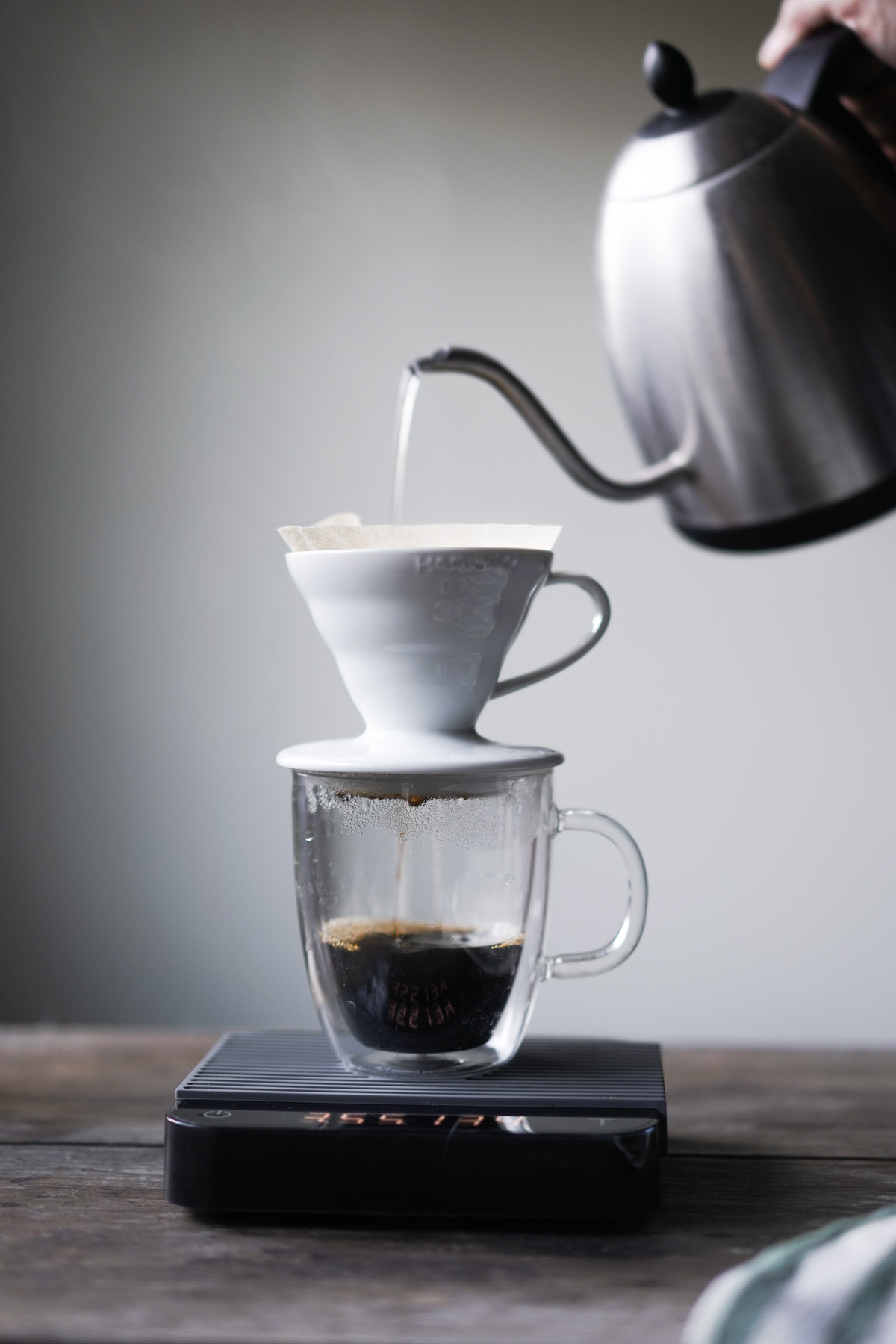
Most people blame the beans when a cup tastes off. Often the real culprit is the coffee water temperature. Water that is too hot burns the grounds. Water that is too cool leaves the best flavors behind. In this guide, you will learn the exact range to aim for and how to hit it at home. We will cover the science in plain words, then go method by method. You will also see how roast level and water quality change the picture. No special gear is required to get started. Why Coffee Water Temperature Matters Brewing is simply extraction. Hot water pulls flavor compounds out of ground coffee. Different compounds dissolve at different speeds. Acids and fruity notes come out first. Sugars come next. Bitter, heavy compounds arrive last. Temperature controls the speed of that process. Hotter water extracts faster and pulls more of the bitter, harsh stuff. Cooler water extracts slowly and can leave you with a thin, sour cup. The goal is balance, and a few degrees can tip the scale. Think of it like cooking an egg. Too little heat and it stays raw. Too much and it turns rubbery. Coffee is just as sensitive, even if the signs are subtler. The Golden Range: 195–205°F (90–96°C) The Specialty Coffee Association recommends brewing between 195°F and 205°F. That is about 90°C to 96°C. Most professional baristas and roasters work inside this window. It is a reliable starting point for almost any method. Notice that this is below boiling. Water boils at 212°F (100°C) at sea level. Pouring fully boiling water straight onto fresh grounds is a common mistake. It can scorch delicate coffee and flatten its aroma. If you want a deeper look at how brewing works in general, the Wikipedia overview of coffee preparation is a useful companion read. Coffee Water Temperature by Brewing Method Each method has its own needs. Contact time, grind size, and pressure all interact with heat. Here are sensible starting points for the most popular ways to brew. Pour Over (V60, Chemex, Kalita) Aim for 195–205°F. Lighter roasts often shine at the upper end, around 200–205°F. The extra heat helps extract their dense, bright structure. Darker roasts do better a little lower, near 195°F. Pour over also loses heat fast. The water cools as it leaves the spout and again in the dripper. A variable-temperature gooseneck kettle makes this easy to control. For a full walkthrough, see our V60 coffee guide. Espresso Espresso machines usually run between 195°F and 205°F at the brew group. Many baristas settle near 200°F (93°C). Because espresso is brewed under pressure for only 25–30 seconds, small shifts show up quickly in the cup. If your shot tastes sour, raise the temperature a degree or two. If it tastes harsh and bitter, lower it. Change only one thing at a time, so you know what caused the result. French Press French press is a full immersion method. The grounds sit in the water for about four minutes. Water around 200°F (93°C) works well. Because the contact time is long, going hotter is rarely needed. AeroPress The AeroPress is flexible. Many recipes use water between 175°F and 205°F. Lower temperatures give a smoother, sweeter cup with less bitterness. That is why many competition recipes drop to 185°F or less, especially for dark roasts. Moka Pot The moka is the classic Italian stovetop brewer. It is a small aluminum or steel pot that pushes water up through the coffee using steam pressure. You do not set the temperature directly. Instead, you control the heat on the stove. A useful trick is to fill the base with hot water instead of cold. This shortens the time the grounds spend warming up on the flame. It helps avoid a metallic, over-cooked taste. Use medium-low heat and remove the pot as soon as it starts to gurgle. Cold Brew Cold brew breaks the rules on purpose. The coffee steeps in room-temperature or refrigerated water for 12 to 24 hours. Time replaces heat. The result is low in acidity and very smooth. How Roast Level Changes the Ideal Temperature Roast level changes how easily coffee gives up its flavor. Lighter roasts are denser and more compact. They need more energy to open up. Hotter water, near 205°F, helps them show their sweetness and florals. Darker roasts are more brittle and porous. They extract quickly. Hot water can push them into bitter, ashy territory. Try 190–195°F and see how the cup softens. This is a rule of thumb, not a law. Freshness, grind, and origin all play a part. If you buy from small roasters, ask them for their preferred recipe. Many print a suggested temperature on the bag. How to Hit the Right Temperature Without Fancy Gear You do not need a smart kettle to do this well. A simple method works for most home brewers. After a minute off the boil, water usually sits near 200°F. That falls right in the golden range. It is not exact, but it is far better than guessing. If you want precision, a kitchen thermometer is cheap and accurate. A kettle with a built-in temperature setting is even easier. Either one removes the guesswork. Preheat Everything A cold dripper, mug, or carafe steals heat from your brew. A rinse with hot water fixes this. It also removes any papery taste from the filter. This simple habit often gains you several degrees of stability. Water Quality: The Other Half of the Equation Temperature is only one variable. The water itself matters just as much. Coffee is about 98 to 99 percent water, so its mineral content shapes the cup. Minerals help water grab flavor from the grounds. Water that is too soft, like distilled water, tastes flat. Water that is too hard can taste chalky and cause limescale in your gear. See the explanation of hard water if you want the basics. The SCA suggests water with about 150 mg/L of total dissolved solids, a neutral pH,
Best Coffee Scale: 6 Top Picks for Pour Over and Espresso
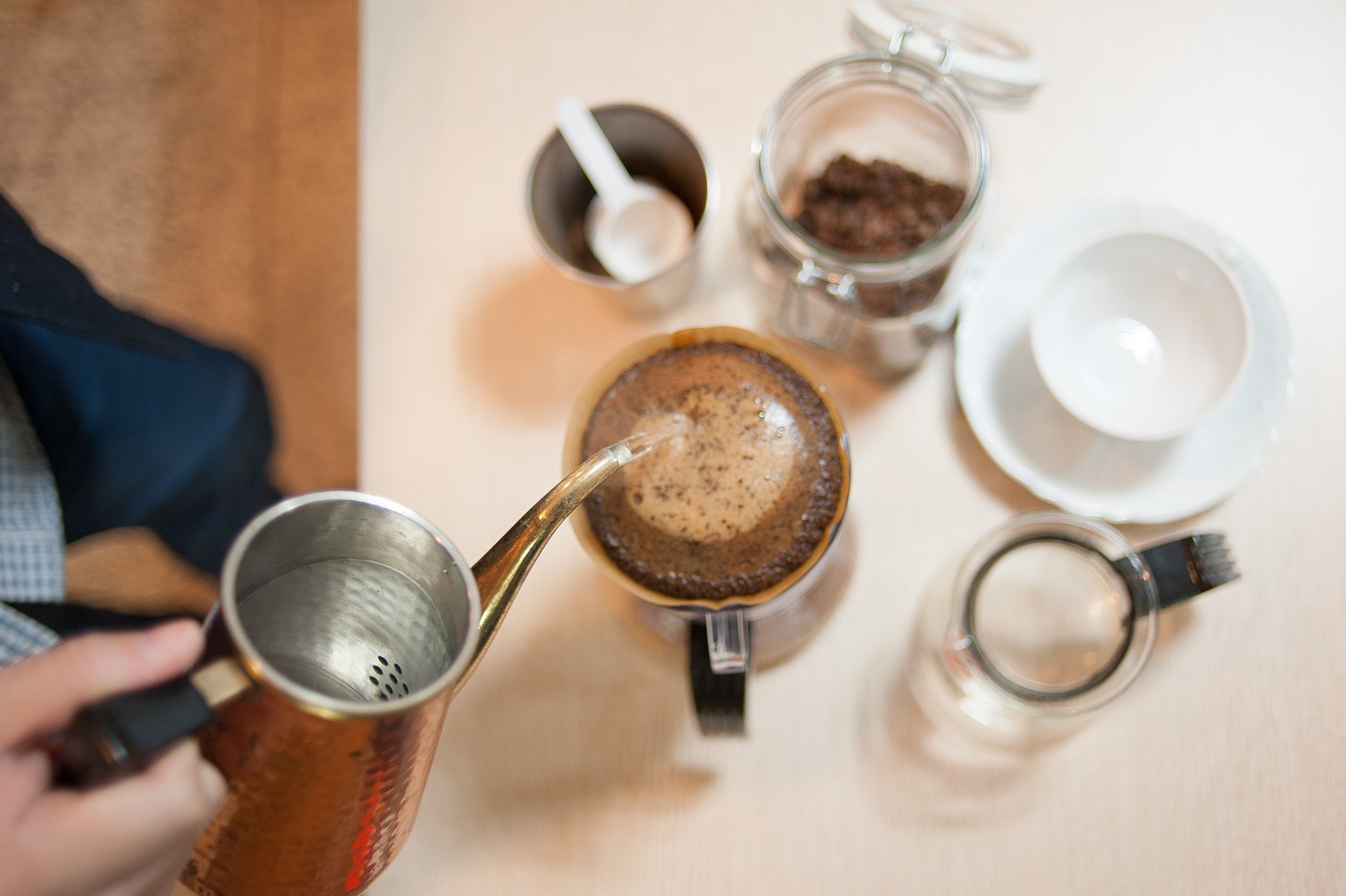
Scoops lie. A scoop of light roast weighs more than a scoop of dark roast, because the beans are denser. A scale removes that problem. It also lets you follow a proper coffee to water ratio.
Antigua Guatemala Coffee: The Essential Guide to Its Sweet Cup
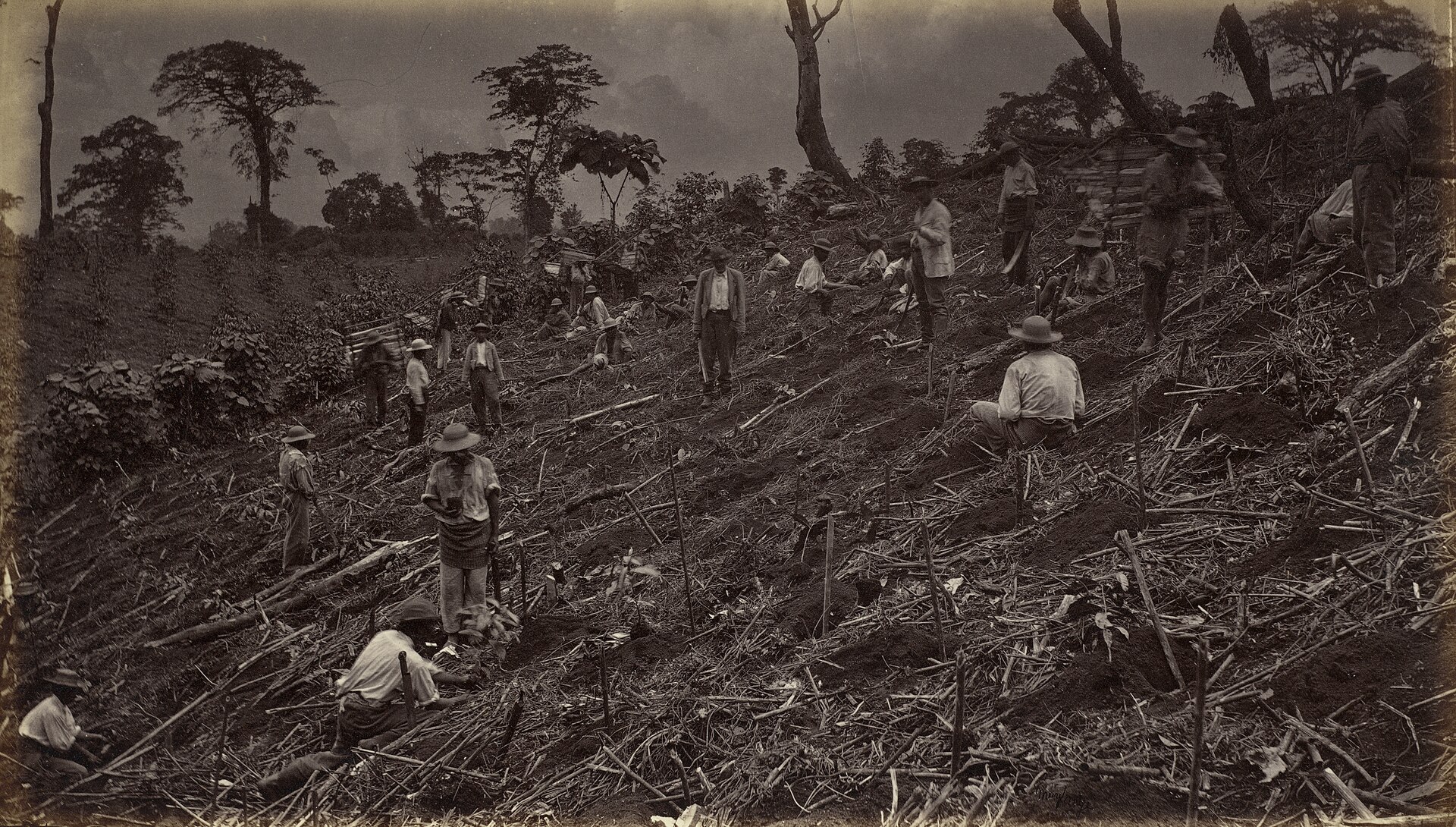
The valley sits near the old colonial city of Antigua Guatemala. Three volcanoes frame it: Agua, Acatenango and Fuego. Fuego is still active. It sometimes drops fine ash on the farms.
Specialty Coffee Myths: 7 Common Beliefs That Get It Wrong
Specialty coffee has a reputation. Some people think it is overpriced. Others think it always tastes sour, or that you need a lab full of gear to brew it. Most of these specialty coffee myths come from a bad first cup or a confusing café menu. Let’s clear them up, one by one. You may find that good coffee is simpler, and friendlier, than it looks. What Counts as Specialty Coffee? Before we bust any myths, we need a clear definition. The term has a real meaning. The Specialty Coffee Association (SCA) uses a 100-point tasting scale. Coffee that scores 80 points or more is graded as specialty coffee. The green beans must pass a strict check as well. In a 350-gram sample, there can be no major flaws, such as black or sour beans. Only a few small flaws, like chipped beans, are allowed. You can learn how tasters reach that number in our guide to the SCA score. 7 Specialty Coffee Myths, Debunked Myth 1: It’s Just a Fancy Label for Pricey Coffee Specialty is not a brand or a marketing word. It is a grade, set by trained tasters. A coffee has to earn it, sample by sample. Yes, it usually costs more. But the price pays for real work: picking only ripe cherries, careful sorting and slow, small-batch roasting. Farmers who grow it are often paid well above the market rate. That is not hype. It is the cost of doing things properly. Myth 2: Specialty Coffee Always Tastes Sour Good coffee can be bright. Think of the fresh acidity of a green apple or a ripe orange. That is very different from the sharp, thin sourness of a cup that was brewed too fast or too coarse. If your cup tastes sour, the beans are rarely to blame. Try a finer grind or a longer brew. Our grind size guide shows what to change. And if you simply prefer low acidity, many specialty coffees from Brazil or Sumatra taste of chocolate and nuts. Myth 3: Specialty Means Light Roast Only Many specialty roasters do favour lighter roasts. They show off the origin, the variety and the process. But there is no rule that says specialty must be light. Plenty of small roasters make medium or medium-dark blends for espresso. Italian roasters in particular know how to build a rich, sweet shot without burning the bean. For the full picture, read our post on light vs dark roast. Myth 4: You Need Expensive Gear You don’t need a fancy espresso machine to enjoy specialty coffee. A French press, a moka pot or a simple pour-over cone will do a great job. Two tools matter more than anything else. The first is a burr grinder, which gives you an even grind. A good hand grinder costs far less than an electric one, as our Timemore C3 review explains. The second is a basic scale, like this Greater Goods coffee scale. It lets you repeat a good recipe every time. Myth 5: Single Origin Always Beats a Blend A single origin coffee comes from one country, region or farm. It can taste very clear and unique. But that does not make it better by default. A well-made blend can be more balanced, with more body and sweetness. That is why so many espresso roasters use blends. Single origin and blend are two styles, not a quality ranking. Myth 6: Adding Milk Ruins It Some people feel guilty about pouring milk into a “serious” coffee. There is no need. Many great baristas train hard on milk drinks, and a cappuccino made with fresh specialty espresso can be a joy. Milk will soften bright, fruity notes, so some coffees shine more on their own. But the best way to drink coffee is the way you enjoy it most. Myth 7: The Fresher the Roast, the Better Fresh matters, but “just roasted” is not always ideal. Right after roasting, beans release a lot of carbon dioxide. This gas can make brewing uneven and the flavour a bit flat or harsh. Most roasters suggest a short rest. Filter coffee often tastes best a few days after roasting. Espresso beans usually need a little longer. After that, aim to use the bag within a few weeks of opening. How to Start With Specialty Coffee If these myths kept you away, here is a simple way in. Why These Myths Stick Around Myths survive because they hold a grain of truth. A sour cup really does exist. Some cafés really do charge a lot. And a few shops really do look like labs. People judge the whole category from one bad moment. Marketing adds to the noise. Words like “premium” and “artisan” appear on bags of every quality. Without clear rules, shoppers cannot tell what is real. This is why learning a few basics gives you such an edge. How to Spot Real Specialty Coffee None of these guarantees a great cup. But together they point to a roaster who cares about the details. Questions to Ask Your Roaster Good roasters love questions. Try asking what they are excited about this month. Ask how they would brew a coffee at home. Ask which coffee suits milk drinks best. Their answers tell you a lot about their craft and often lead you to a new favourite. Frequently Asked Questions Is specialty coffee healthier? Not by itself. It is simply higher quality and better sourced. Health effects depend on how much you drink and what you add to it. Do I need to buy whole beans? Whole beans stay fresh longer, so they are the best choice. A simple grinder is a good first upgrade. A Simple Plan for Your First Month Buy one small bag of a medium roast from a roaster you trust. Brew it the same way for a week. Change one thing, such as the grind or the water amount, and notice the difference. In week three, try a different origin.
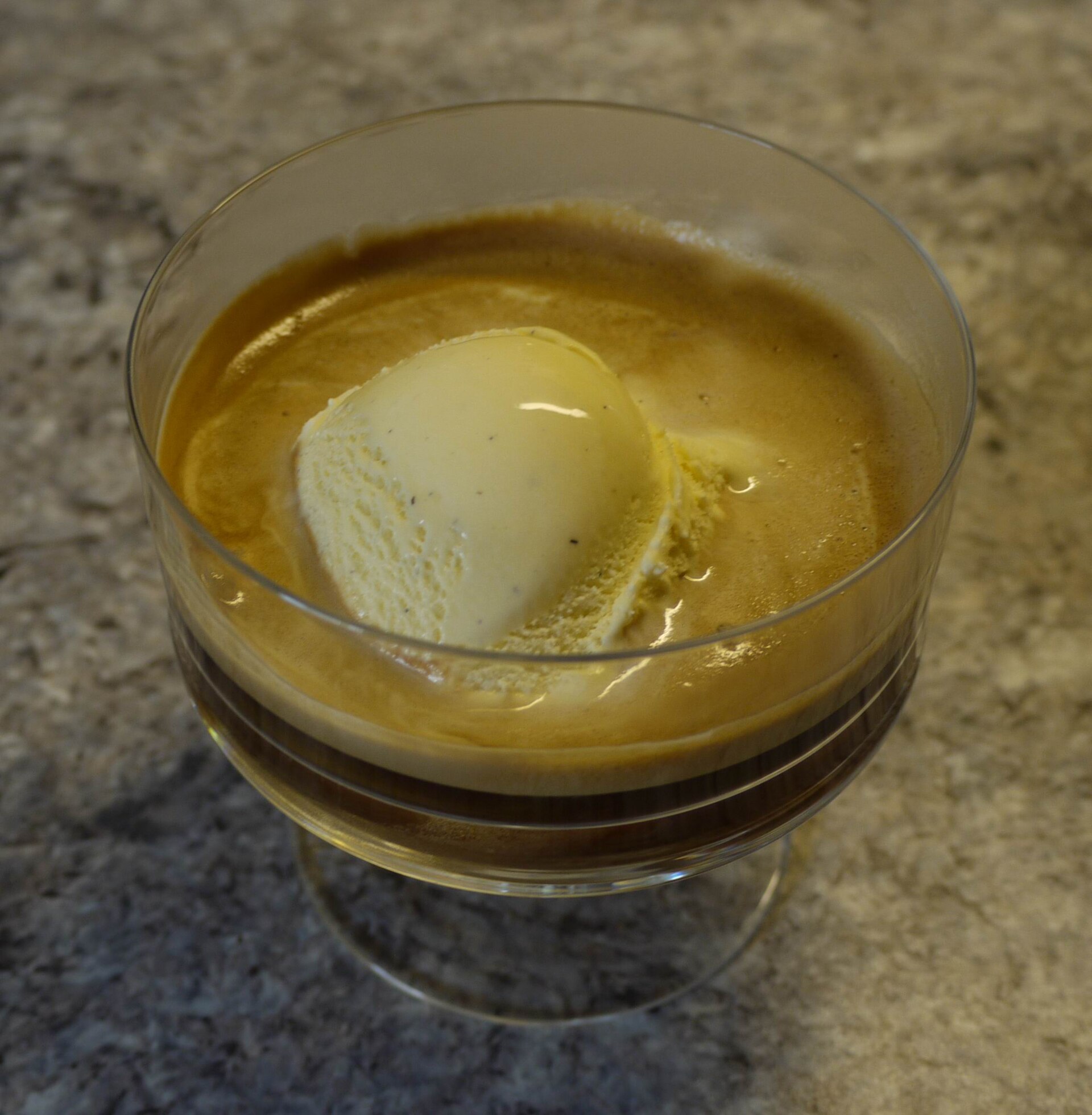
Affogato: 5 Surprising Facts About Italy’s Drowned Coffee Dessert
Picture a hot shot of espresso poured over a cold scoop of gelato. The two meet, melt and turn into something new. That is the affogato, one of the simplest desserts in Italy. It takes two ingredients and about a minute. Yet its story is full of gaps, rival claims and one very unlikely monk. What is affogato? Short answer: it is an Italian dessert made by pouring a hot shot of espresso over a scoop of gelato, usually fior di latte or vanilla. Where is affogato from? Italy, but nobody knows who invented it. It most likely spread across the country in the 1950s, when espresso bars and modern gelato became common. Here are five facts about the affogato that most people never hear, plus how Italians eat it and how to make a good one at home. 1. The Name Means “Drowned” In Italian, affogato means “drowned.” The full name is affogato al caffè, or “drowned in coffee.” It is a plain, honest name. The gelato sinks under the coffee, and that is the whole idea. Italians use the same word for other dishes too. Eggs poached in tomato sauce can be uova affogate. So when you order one in a bar, you may hear it simply called “un affogato.” The coffee part is implied. 2. Affogato History Has No Clear Inventor Nobody knows who made the first affogato. There is no famous café, no date and no signed recipe. Food writers still trade a few rival stories. The legend of the friar One tale credits a friar named Angelico from Piedmont, in northern Italy. He is said to have mixed ice cream with coffee by chance, in the Middle Ages. It is a lovely story. But there is no proof for it, and espresso did not exist back then. The Naples claim Some French food writers place the affogato in Naples. That fits the city’s deep coffee culture, which we covered in our piece on coffee in Naples. Still, there are no early sources that back it up. The 1950s theory The most likely answer is also the least romantic. The dessert seems to have spread across Italy in the 1950s. That was when ice cream production became modern and espresso bars opened in every town. With gelato in the freezer and an espresso machine on the counter, the affogato was almost bound to happen. 3. Coffee and Gelato Shared a Room for Centuries Frozen desserts have a long history in Italy. Many accounts credit Florence in the 1500s with early forms of what became gelato. In 1686, a Sicilian named Francesco Procopio dei Coltelli opened Café Procope in Paris. He served coffee and frozen ices under the same roof. So coffee and cold sweets were neighbours long before anyone poured one over the other. 4. It Is Younger Than You Might Think A true affogato needs espresso, and espresso is a modern drink. Angelo Moriondo patented an early steam coffee machine in Turin in 1884. Bezzera and Pavoni built bar machines in the early 1900s. Then, in the late 1940s, Achille Gaggia’s lever machine gave espresso the thick crema we know today. You can read the full story in our history of espresso. So the affogato, as we know it, is most likely a child of the twentieth century. It belongs to the same era as the moka pot and the Italian espresso bar. 5. English Only Adopted the Word in the 1990s The affogato took a while to travel. According to the drinks site Vinepair, Merriam-Webster added the word to its English dictionary in 1992. Since then, it has turned up on menus from London to Melbourne. Today you can find it in many specialty coffee shops, often made with single origin espresso. How Italians Eat an Affogato In Italy, the affogato is a dessert, not a drink. It often comes at the end of a meal, in place of both the sweet and the coffee. You eat it with a spoon, while the gelato is still half frozen. If you like this kind of local ritual, take a look at our guide to Italian coffee drinks. How to Make an Affogato at Home You don’t need a bar to make a great affogato. You need good gelato, strong coffee and a bit of timing. No espresso machine? A classic stovetop pot like the Bialetti Moka Express works well. Its coffee is bold enough to stand up to the cream. Our moka pot guide shows how to get a clean, sweet brew. The beans matter too. A medium roast with chocolate and nut notes gives a classic, cosy affogato. A light, fruity roast gives a brighter cup, which pairs well with fior di latte. How to Make a Classic Affogato at Home An affogato is easy to make. It needs only two main ingredients and a minute of your time. The result is a dessert and a coffee in one cup. Speed matters. The contrast between hot and cold is the whole point. If the coffee cools, the ice cream melts into a soup. Tips for the Best Result Use a coffee with chocolate or nutty notes. A fruity coffee can clash with sweet cream. A medium or medium-dark roast works well. Keep the portion of ice cream small, so the coffee still shines. Twists on the Classic Whatever you choose, keep the quality high. With only a few parts, each one counts. Affogato Around the World Many countries now serve their own versions. Some cafés pour a double shot over gelato. Others add cold brew for a softer taste. In summer, bars in Italy often serve it as an easy dessert after dinner. It is also popular as a quick treat on a hot afternoon, because it combines the energy of coffee with the comfort of ice cream. Affogato FAQ What is affogato? Affogato is an Italian dessert made of one scoop of gelato “drowned” in a hot shot of espresso. The gelato