
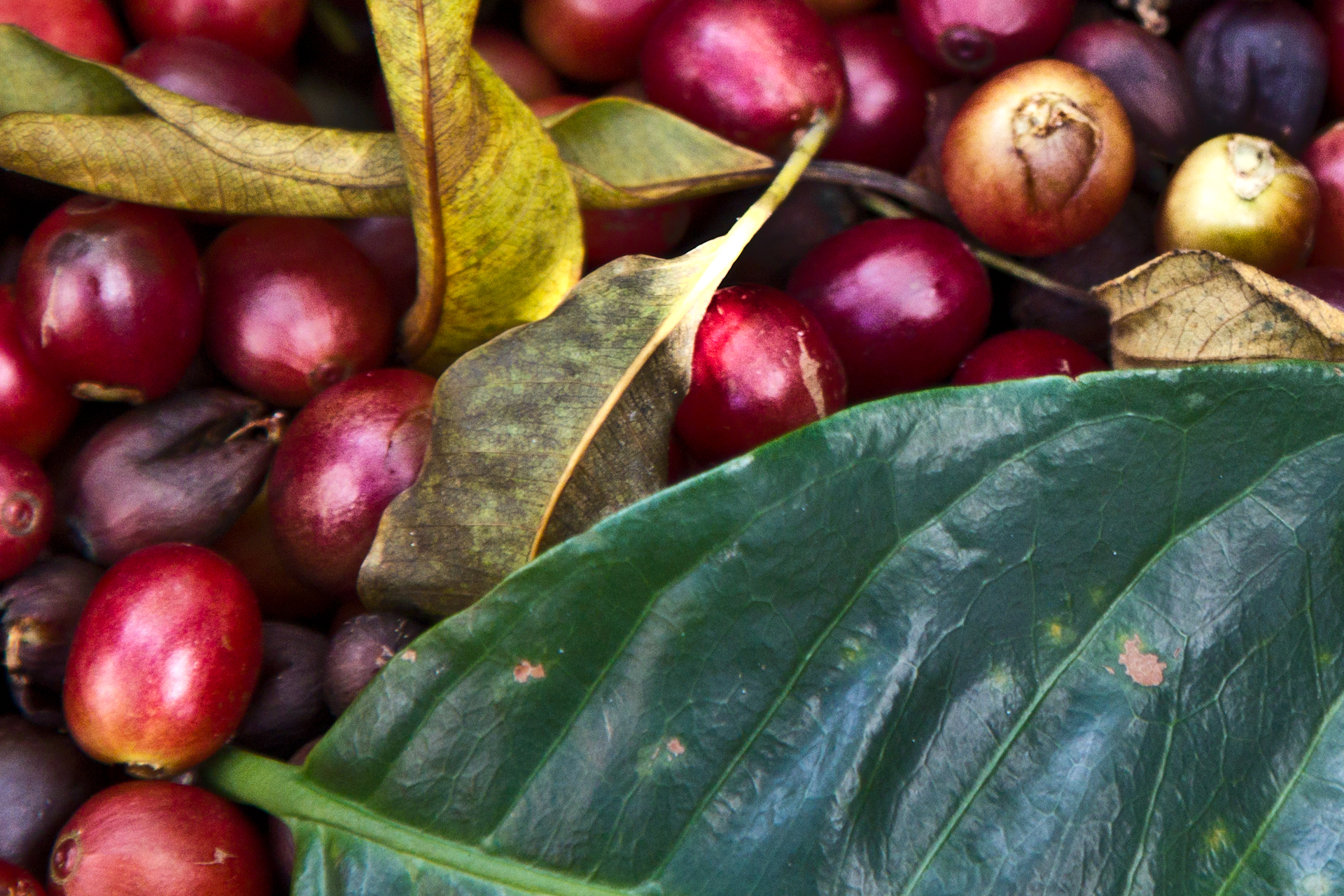
Honduras coffee is one of the quiet success stories of the specialty world. For years, many drinkers ignored it. Today, more roasters and cafés are proud to put it on the menu. The cup is sweet, balanced, and easy to love. This guide gives you seven essential facts about Honduras coffee. You will learn where it grows, how it tastes, and how to brew it well. We will also look at how Italian roasters tend to treat Central American beans. 1. Honduras is a Central American coffee giant Honduras is one of the largest coffee producers in Central America. Coffee is a major source of income there. Well over 100,000 families grow it, and most of them run small farms. A typical farm is a few hectares of trees, often tended by the whole family. Because the farms are small, quality can vary a lot from one lot to the next. That is good news for curious drinkers. It means there are real gems to find if you know where to look. You can read a short overview on Wikipedia’s page on coffee production in Honduras. 2. Six regions shape the flavor of Honduras coffee Honduras has six official coffee regions. They are Copán, Opalaca, Montecillos, Comayagua, El Paraíso, and Agalta. Each has its own climate, soil, and altitude. Copán, in the west, often gives sweet cups with red fruit and chocolate. Montecillos, home to the town of Marcala, is known for balance and a silky body. El Paraíso, in the east, tends to give brighter, citrus-like notes. Agalta, in the northeast, is a newer area that more roasters are beginning to explore. These are broad tendencies, not rules. Always read the label for the farm, the altitude, and the process. Those details tell you more than the region alone. 3. Marcala was the first to earn a protected origin In 2005, Marcala became the first Honduran coffee to receive a designation of origin. That label protects the name. It also links the coffee to a specific place and a set of quality standards. Marcala sits in the highlands of the La Paz area. The air is cool, and the coffee ripens slowly. Slow ripening gives denser beans and more sugar. Many drinkers describe Marcala cups as smooth, with caramel, nuts, and soft orange acidity. If you want a first taste of Honduras coffee, a Marcala lot is a safe and delicious place to start. 4. Altitude decides the grade Honduran coffee is graded by altitude. The top grade is called SHG, which stands for strictly high grown. It usually refers to coffee grown above roughly 1,500 meters. Below that sit the high grown and central standard grades. Altitude matters for a simple reason. Higher places are cooler, so cherries ripen more slowly. Slower ripening builds more complex sugars and acids. That is why high-altitude lots often taste sweeter and brighter. Altitude is not the whole story, though. Good picking, careful drying, and clean processing matter just as much. A well-handled coffee at 1,300 meters can beat a careless one at 1,700. 5. The main varieties are familiar and new Many Honduran farms grow classic varieties like Typica, Bourbon, Caturra, and Catuaí. These are loved for their sweetness and clean cup. You can learn more in our guide to Arabica coffee varieties. Newer varieties have also spread, including Lempira and Parainema. These were bred or selected to resist coffee leaf rust, a fungal disease. A serious rust outbreak hit Central America around 2012 and 2013. It hurt Honduran farmers badly. Many replanted with hardier trees, and quality has kept improving. Some producers now grow rare varieties like Geisha too. Those lots are small and pricey, but they show how far the country has come. 6. Processing shapes the cup Most Honduras coffee is washed. Farmers pick ripe cherries, remove the skin and pulp, ferment the beans briefly, and wash them. Then they dry the beans on patios or raised beds. Washed coffee tends to taste clean, bright, and crisp. In recent years, more farms have tried honey and natural processing. Honey process leaves some fruit sticky on the bean as it dries. Natural process dries the whole cherry. These methods bring out more sweetness and fruity notes. We explain the differences in our guide to coffee processing methods. Drying is a delicate step. If beans dry too fast or too unevenly, flavor suffers. That is why good producers watch their patios closely and turn the coffee often. 7. The cup is sweet, balanced, and versatile So what does Honduras coffee taste like? Expect caramel, milk chocolate, toasted nuts, and red apple. Higher lots may add citrus, plum, or a honey-like sweetness. The body is usually medium, and the acidity is soft and pleasant. This balance makes it very versatile. It works as a filter coffee, a moka pot brew, and an espresso. In Italy, roasters often like Central American beans for espresso blends and single origins alike, because they give sweetness without harsh edges. The moka is the stovetop pot found in most Italian homes, and it suits a medium roast from Honduras very well. How to brew Honduras coffee at home Start with fresh beans, ideally roasted within the last month. Grind just before brewing. For a pour-over, try 15 grams of coffee for 250 grams of water. Use water just off the boil, around 93 degrees Celsius. Pour in slow circles. Aim for a total brew time of about three minutes. If the cup tastes sour or thin, grind a bit finer. If it tastes bitter or dry, grind a bit coarser. Our guide to the coffee-to-water ratio can help you fine-tune this. For a moka pot, fill the base with hot water up to the valve. Add a medium-fine grind without pressing it down. Heat gently and remove the pot as soon as the coffee starts to sputter. You will get a rich, chocolatey cup. Common mistakes to avoid The first mistake is buying old coffee.

Cold Brew Myths: 7 Surprising Truths About Your Iced Favorite
Cold brew has gone from a niche drink to a fixture on café menus around the world. With that fame came a pile of half-truths. Some are harmless. Others can leave you with a flat, weak, or sour glass. This guide clears up the most common cold brew myths, so you can brew a better cup at home or order a smarter one at your local café. We will keep it simple and practical. Each myth gets a short answer, a little science, and a tip you can use today. Italy, the home of espresso, also has its own cold coffee traditions, and we will visit them along the way. Myth 1: Cold brew is just iced coffee This is the myth that starts most confusion. Iced coffee is regular hot coffee that you chill, usually over ice. Cold brew never sees hot water at all. You steep coarse coffee grounds in cold or room-temperature water for many hours, then filter them out. The difference shows up in the cup. Hot brewing pulls out aroma and acids fast. Cold water extracts far more slowly, so the drink tastes rounder, sweeter, and often more chocolatey. You can read a short overview on Wikipedia’s cold brew page. Italy has a third option worth knowing. The caffè shakerato is a fresh espresso shaken hard with ice and a little sugar until it turns frothy and cold. It is not cold brew either. It is a quick hot extraction, chilled in seconds. Myth 2: Cold brew has no acidity You will often hear that cold brew is “low acid”. The truth is a little more subtle. A 2018 study in Scientific Reports measured hot and cold brews and found their pH values were very close. So the liquid is not much less acidic on paper. Why does it taste smoother, then? Cold water extracts fewer of the sharp, bitter compounds that heat releases. Your tongue reads that as softer and sweeter. The drink feels gentle even when the pH is similar. A word of care here. If you have a sensitive stomach, do not assume cold brew will always be easier. People react differently. For personal concerns, a doctor or health professional is the right person to ask. Myth 3: Cold brew always has more caffeine Many people believe cold brew is a caffeine bomb. Sometimes it is. Sometimes it is not. The answer depends on how it is made and how you drink it. Most cold brew starts as a concentrate. A common ratio is one part coffee to four or five parts water. That is much stronger than a normal hot cup, which is closer to one part coffee to sixteen parts water. If you drink the concentrate straight, you get a lot of caffeine in a small glass. But most cafés dilute it with water or milk before serving. Once diluted, the caffeine can be close to a regular brewed coffee. Brewers and labs report a wide range, because ratio, grind, and steeping time all change the result. If you care about the exact number, ask the café how they dilute it. Myth 4: Any coffee works for cold brew Cold brew is forgiving, but it is not magic. Old, stale beans make a dull, papery drink. Cold water cannot hide bad coffee. In fact, the long soak can make flaws easier to taste. Freshly roasted beans give you the best result. Many brewers like medium or medium-dark roasts for cold brew. These bring out cocoa, nut, and caramel notes. Light roasts can work too. They often taste fruity and tea-like, but they can turn sour if you under-extract them. A good rule is to use coffee you would enjoy as a hot filter brew. Fresh, well-roasted beans from a small roaster will beat a bag that has sat on a shelf for months. Grind them coarse, like coarse sea salt, right before you brew. Myth 5: Longer steeping is always better It sounds logical. More time means more flavor, right? Not quite. Most recipes land between twelve and eighteen hours. Past that point, the drink can start to taste woody, bitter, or flat. Time is only one dial. Grind size, water temperature, and ratio matter just as much. A fine grind will over-extract in a few hours. A very coarse grind may need the full eighteen. Room temperature extracts faster than the fridge. If your cold brew tastes sour or thin, try a longer steep or a slightly finer grind. If it tastes bitter or dusty, shorten the time or go coarser. Change one thing at a time, and take notes. This is the same logic we explain in our guide to the coffee-to-water ratio. Myth 6: You need special equipment Cold brew towers look impressive, but you do not need one. A large jar, a sieve, and a paper filter will do the job. A dedicated cold brew maker with a built-in filter is handy if you brew often. It keeps the grounds contained and makes cleanup easy. You can also use gear you may already own. A French press works well for small batches. Add grounds and water, wait, then press the plunger down to separate them. Our French press guide covers the basics of that tool. A kitchen scale is the one tool worth buying. Measuring coffee and water by weight gives you results you can repeat. Cups and scoops vary too much from day to day. Myth 7: Cold brew keeps for weeks Cold brew feels like a drink that lasts forever. It does not. Because it is brewed without heat, nothing in the process kills microbes. Keep it clean and cold, and use it fresh. As a general rule, store it in a sealed container in the fridge and drink it within about a week. Flavor often fades before safety becomes a problem. After a few days, the bright, sweet notes dull. If it smells sour or off, throw it out. Wash your jar
Trieste Coffee: The Surprising History of Italy’s Coffee Capital
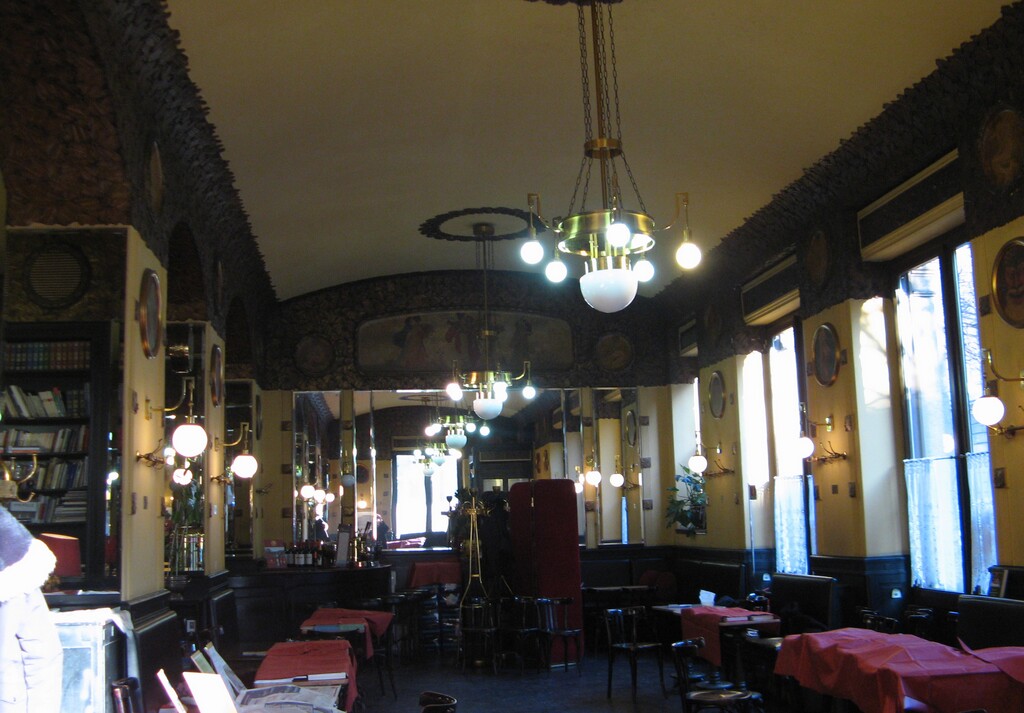
Ask an Italian where the best coffee city is, and you will hear Naples. Ask a coffee trader, and the answer may be Trieste. Trieste coffee has a story that is half Italian and half Austrian. It starts with a port, a Habsburg empress, and a lot of sacks of green beans. Trieste sits in the far northeast of Italy, next to Slovenia. Its people are said to drink about twice as much coffee as the average Italian. This guide explains why, and how to order like a local. How a Free Port Made Trieste Coffee Famous In 1719, the Habsburg emperor Charles VI made Trieste a free port. Ships could unload goods there with fewer taxes and fewer limits. Traders came from many countries. Coffee quickly became one of the big businesses of the port. Trieste was the main sea gate of the Austro-Hungarian Empire for centuries, until 1918. Green coffee arrived by ship and moved north by road and rail to Vienna and beyond. In 1891, local traders formed a coffee association. One source calls it the third of its kind in Europe, after Hamburg and Amsterdam. Today, the port is still said to handle roughly a fifth of Italy’s coffee imports, though sources differ on the exact share. The Viennese Coffeehouse Meets Italian Espresso Trieste was part of the Habsburg Empire from 1382 to 1918. That is why its elegant quarter, the Borgo Teresiano, looks more like Vienna or Prague than like Rome. It is also why the city has grand coffeehouses with high ceilings, dark wood, and shelves of books. If you want more on where this style began, read our story of the first coffee houses in Europe. The Caffè San Marco is the most famous example. Writers such as James Joyce and the poet Umberto Saba are linked with the city’s cafe life. During the First World War, the cafe is also said to have been a meeting point for people who wanted to cross the border to Italy. Another landmark is the Caffè degli Specchi, a belle epoque cafe with gilded mirrors. According to travel writers, every coffee there comes with a small glass of chocolate. It is hot in winter and cold in summer. Illy and the Roasters of Trieste The city is also home to a big name in coffee. The company Illy was founded in Trieste in 1933, and it still roasts and ships its coffee from a plant near the port. Alongside it, small roasters keep local ways alive. One of them, Antica Tostatura Triestina, is known for roasting with wood fire. This mix of old trade and new craft is why many people call Trieste the coffee capital of Italy. For the wider Italian story, see our look at the history of espresso. How to Order Trieste Coffee Like a Local Trieste has its own coffee words. If you order a “caffè” here, you may get a puzzled look. Use the local names instead. Nero: a plain espresso. In the rest of Italy, you would just say “un caffè”. Capo: short for cappuccino, but it is a small, strong espresso with a dab of milk foam. Elsewhere you would call it a caffè macchiato. Capo in b: the same drink served in a glass. The “b” stands for bicchiere, the Italian word for glass. Caffè latte: the Trieste name for what other places call a cappuccino. Why the glass? Some people say it comes from the sailors. They wanted a warm drink they could hold easily on a cold dock. Nobody can prove it, but it is a good story. Triestini also seem less strict about milk coffee after breakfast than people elsewhere in Italy. For more drinks, see our guide to Italian coffee drinks. Historic Cafés in Trieste You Can Still Visit Trieste has one of the richest café traditions in Italy. The city council keeps an official list of its historic cafés and pastry shops. Here are the ones with a known opening year, from the oldest to the newest. Café Opened Why it is worth a stop Caffè Tommaseo 1825 The oldest on the list. Its owner brought mirrors from Belgium and is said to have introduced ice cream to Trieste. Caffè Urbanis 1832 Opened as a pastry shop. The date is set in the floor mosaic. Caffè degli Specchi 1839 On Piazza Unità, the main square. Franz Lehár once directed concerts here. Pasticceria La Bomboniera 1850 Founded by the Hungarian Eppinger family. Its original oven is still in use. Pasticceria Pirona 1900 A small pastry shop with a portrait of James Joyce on display. Caffè San Marco 1914 A Viennese-style coffeehouse that is also a bookshop. Caffè Torinese 1915 Wood and brass interiors by a designer who fitted out ocean liners. Source: the historic cafés itinerary of the Comune di Trieste. Opening hours change, so check before you go. For more grand cafés in other cities, see our guide to historic cafes in Italy. Caffè San Marco: A Café That Survived a War Caffè San Marco opened on 3 January 1914. Its founder was Marco Lovrinovich. In May 1915, after Italy declared war on Austria-Hungary, the café was attacked and set on fire. Firefighters saved much of the decoration. It reopened in 1997 after a long restoration, and today it serves coffee among shelves of books. It has been listed as a historic café of Italy since 2005, according to Wikipedia. How Much Coffee Do People Drink in Trieste? A lot. A figure often quoted is about 1,500 cups per person per year, which is roughly twice the usual Italian level. Another figure, reported by Le Monde in 2019, puts it at about 10 kilograms of coffee per person each year. The two numbers come from different sources and use different units, so treat them as rough guides. The city also has more cafés for its size. Le Monde counted about one café for every 300 people in Trieste, against one for every
How to Dial In Espresso: A Simple Guide to Better Shots
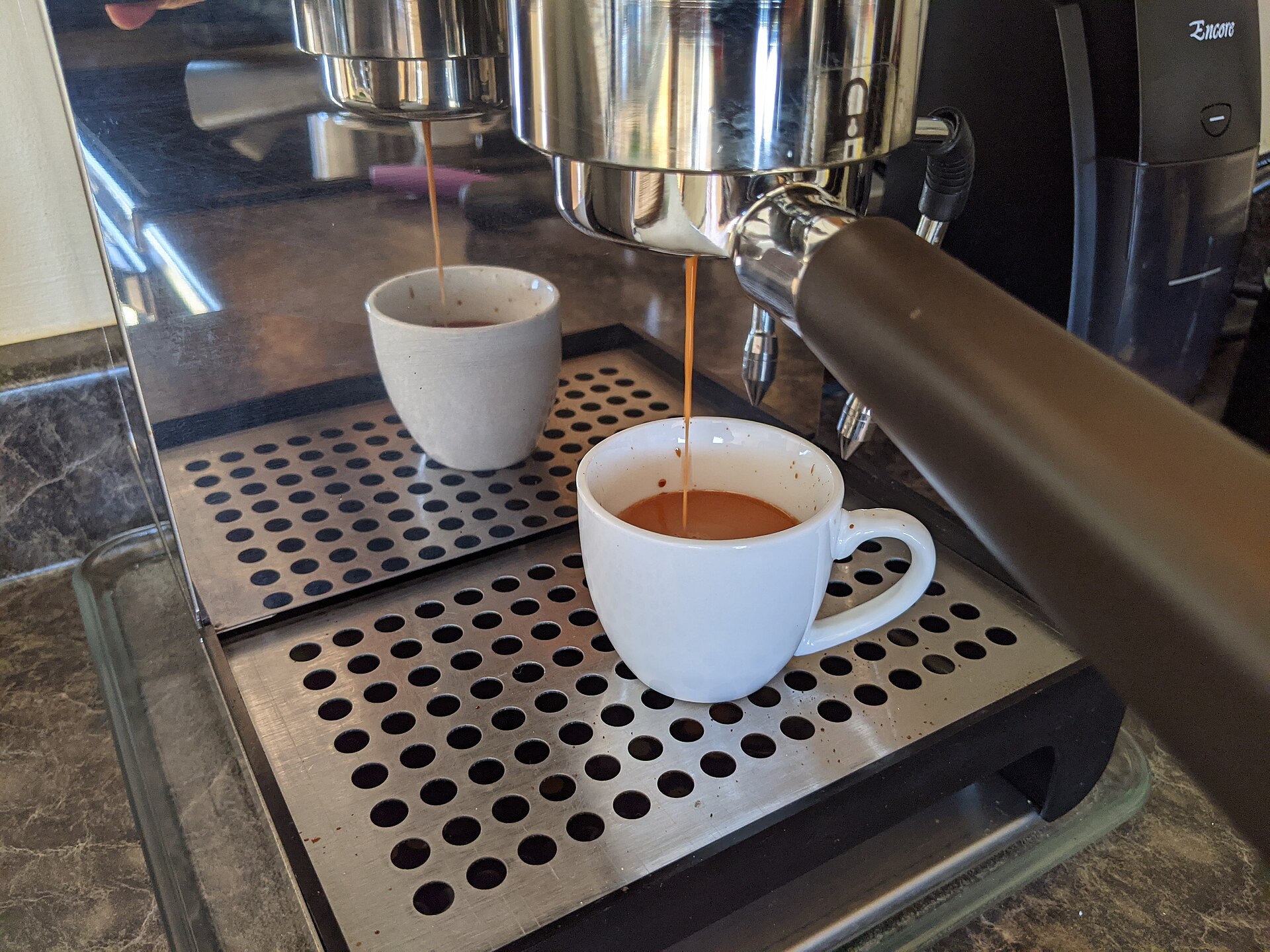
To dial in espresso means to tune your grind until the shot tastes balanced. It sounds technical, but it is a simple loop. Change one thing, pull a shot, and taste it. In Italy, a barista does this every morning before the first customer walks in. At home, you can do the same in about fifteen minutes. This guide gives you a clear starting recipe and an easy way to fix sour or bitter shots. You do not need fancy gear. You do need a good grinder, a scale, and a little patience. Why You Need to Dial In Espresso for Every New Bag Coffee is a fresh food, and it keeps changing. Each bag has a different roast, age, and origin. A shot that tasted sweet last week can taste sharp today. Even humid air changes how coffee grinds and flows. That is why baristas check their shots again and again during the day. Start With a Simple Recipe Begin with a 1:2 ratio. Use 18 grams of ground coffee. Aim for 36 grams of liquid espresso in the cup. Let the shot run for 25 to 30 seconds, counting from the moment the pump starts. Many roasters and coffee schools use this same starting point because it is forgiving. If ratios are new to you, our guide to the coffee to water ratio explains the idea for other brew methods too. You also need a coffee scale that reads to 0.1 gram. Put it under your cup, so you can weigh the shot as it flows. A timer built into the scale makes life easier. Fix the Beans and the Dose First Good espresso starts with fresh beans. Aim for coffee that is about five to ten days off roast. Very fresh beans release a lot of gas, and that can make the shot run unevenly. Very old beans taste flat. Then weigh your dose every time. Do not guess. A change of one gram can shift the taste more than you might expect. How to Dial In Espresso by Taste The grind is your main lever. Pull the shot, then taste it. Your mouth tells you what to do next. For more on how grind size shapes flavor, read our coffee grind size guide. Change One Thing at a Time Keep the dose fixed. Move the grinder by one small step. Pull another shot and taste it again. Three or four shots are usually enough to get close. Treat the clock as a clue, not a goal. A 27 second shot can taste great or awful, depending on how evenly the water moved through the coffee. If a shot hits 28 seconds and still tastes sour, keep adjusting. Write your settings in a small notebook. It will save you time with the next bag. When Your Espresso Tastes Sour and Bitter at Once This mix often means channeling. Water finds a crack in the puck and rushes through it. Some coffee gets over-extracted, and the rest gets under-extracted. The result is a cup that is both sharp and harsh. The fix is better puck prep. Spread the grounds evenly in the basket. Tap away clumps. Then tamp level, with steady pressure. A distribution tool can help, but a simple fingertip sweep works too. A bottomless portafilter, like the one above, lets you see the flow and spot problems fast. Adjust Ratio and Temperature Last Once the shot tastes close, you can fine-tune. If the cup tastes weak, stop the shot a little sooner. If it tastes too strong, let more liquid run. Lighter roasts often shine with a longer ratio, near 1:2.5. Darker roasts often like a shorter one. Temperature is the last tool. Most machines work well between 92 and 96 degrees Celsius. Change it by one or two degrees at a time, no more. If you love a short and sweet shot, try a ristretto. You can also read the basics of espresso on Wikipedia. Espresso Troubleshooting Table: Symptom, Cause, Fix Use this table when a shot tastes wrong. Find the closest symptom, make the one change on the right, and pull again. What you notice Likely cause What to change Sour, salty, thin body Under-extraction: water ran through too fast Grind finer by one small step Bitter, dry, harsh finish Over-extraction: water stayed in too long Grind coarser by one small step Shot runs in under 20 seconds Grind too coarse or dose too low Grind finer, then check the dose Shot drips slowly past 40 seconds Grind too fine or dose too high Grind coarser, then check the dose Sour and bitter at the same time Channeling: uneven puck Improve distribution and tamp level Spurts or blond streaks early Channeling or a cracked puck Break up clumps, tamp evenly Flat taste, little crema Old beans or very dark roast Use beans closer to roast date Big, bubbly crema that fades fast Beans too fresh Let the bag rest a few more days Crema alone is not a reliable sign of a good shot. Our guide to espresso crema myths explains why taste matters more than foam. How Big Should Each Grind Change Be? Small. On a stepped grinder, move one step at a time. On a stepless grinder, move a tiny amount, such as a few millimetres on the dial. Big jumps make you overshoot, and you waste coffee chasing the target. After each change, purge a little coffee from the grinder. Old grounds can stay inside the burrs and chute. If you skip this, the next shot may still use part of the old setting. Your grinder matters more than your machine here. A grinder made for filter coffee often cannot go fine enough, or it cannot make small enough steps. If you grind by hand, check that the model is designed for espresso before you buy. Our manual coffee grinder guide covers what to look for. Dialing In Light Roasts vs Dark Roasts Roast level changes how easily coffee gives
Hario Skerton Pro Review: 5 Essential Facts Before You Buy
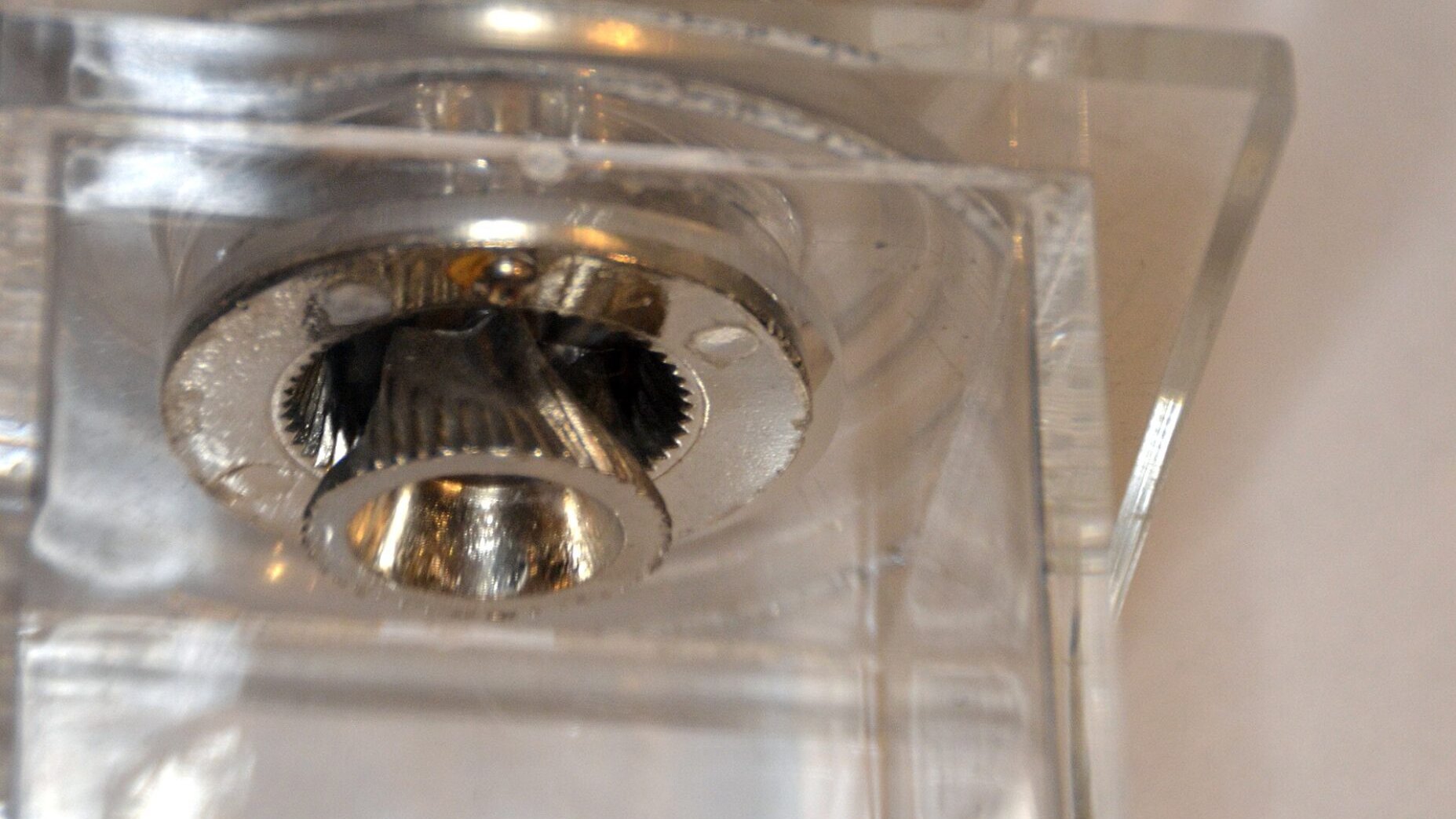
This Hario Skerton Pro review looks at one of the most popular hand grinders in the world. We have not tested it ourselves. Instead, we read the published specs and many reviews from owners and coffee writers. Here is what the evidence says. What is the Hario Skerton Pro? The Hario Skerton Pro is a hand-crank grinder from Japan. It has a glass jar, a plastic body, and a conical ceramic burr. It is a favorite of travelers on a budget and of home brewers who want a first step up from pre-ground coffee. On Amazon it holds a 4.3 star average from over two thousand ratings. Key specs at a glance What reviewers like Most writers praise the price and the build. The grinder is light, simple, and easy to repair. Owners often say the grind is very even at fine and medium settings. That is the range for espresso-style brews, moka pots, and pour-over. Many also like that it is quiet, which is nice early in the morning. The Pro model adds a stabilizing spring and a better handle compared with the older Skerton. Reviewers say this helps the burr stay steady. If you want to compare it with a sturdier option, read our Timemore C3 review. Where the Hario Skerton Pro falls short The common complaints are clear. Grinding is slow. A full dose for a V60 can take a few minutes of cranking. Coarse settings are less even, so French press and cold brew can taste muddy, according to several reviewers. Ceramic burrs are also brittle, so a small stone in your beans can chip them. The glass jar is not ideal for travel, and the dial can be fiddly to set. A few tips help owners get more from it. Weigh your beans first, so you know the dose. Grind a little finer than you think, then taste and adjust. Clean the burr every few weeks with a soft brush, not water. Keep the jar dry, and never grind oily dark beans in large amounts, because they can clog the burr. These small habits make a big difference to the cup. Who should buy it Based on user reviews and published specs, the grinder suits a few types of people: It is less suited to French press fans, to busy mornings, or to large batches. For those, a faster steel-burr grinder is a better fit. Our V60 coffee guide shows which grind size to aim for. Hario Skerton Pro grind settings by brew method The Skerton Pro uses a stepped ring under the burr. Each step gives a small click. To find zero, turn the ring until the burrs touch and the handle will not spin freely. Then count the clicks back from there. The table below uses the starting points published by Brew Coffee Home. Treat them as a first guess, then adjust by taste. Brew method Clicks from zero What to aim for Espresso 2 Very fine, like flour Moka pot 3 Fine, a bit coarser than espresso V60 / pour-over 6 Medium-fine, like table salt Chemex / drip 7 Medium French press / cold brew 9 or more Coarse, like sea salt If your pour-over drains too fast and tastes sour, go one click finer. If it drains slowly and tastes bitter, go one click coarser. For espresso, our guide on how to dial in espresso explains the same process step by step. Our coffee grind size guide shows what each size should look like. How long does the Skerton Pro take to grind? Speed is the most common complaint, so it helps to know the numbers reviewers report: So plan on one to two minutes of cranking per cup. That is fine for a slow weekend brew. It can feel long if you make coffee for several people every morning. Skerton Pro vs Skerton Plus vs the original Skerton Hario has updated the Skerton a few times. The names are easy to mix up, so here is the short version based on published reviews: Model Main change Adjustment Original Skerton Glass jar, ceramic burr, plastic lid Nut under the burr, no clear steps Skerton Plus Stabilization plate for the burr, universal thread for the jar Still fiddly to set Skerton Pro Spring under the lower burr, stronger handle, silicone grip Stepped ring with clicks The Pro is the one to buy today. The extra support means the burr wobbles less, which reviewers say helps most on coarser settings. Hario Skerton Pro vs Timemore C3 The Timemore C3 is the grinder most people compare with the Skerton Pro. The two sit in a similar price range, but they are built for different users. Hario Skerton Pro Timemore C3 Burr 39 mm ceramic conical Stainless steel conical Capacity About 100 g Around 25 g, one or two cups Body Glass jar, plastic frame Aluminium body Strong point Large batches, low price Speed and grind consistency Weak point Slow, uneven when coarse Holds less coffee Several writers, including Coffee Chronicler, say newer steel-burr grinders from Timemore and 1Zpresso give a more even grind for the money. The Skerton Pro still makes sense if you want a large glass jar or a ceramic burr that never rusts. Read our Timemore C3 review and our Comandante vs Timemore comparison before you choose. Our verdict The Hario Skerton Pro is a fair deal for fine to medium brewing. It will not match a premium hand grinder for speed or coarse consistency. But for the price, owners say it is hard to beat. Buy it for pour-over and moka, and use fresh whole beans. Hario Skerton Pro: common questions Is the Hario Skerton Pro good for espresso? It can grind fine enough for espresso and moka. The catch is time: reviewers report about two minutes of cranking for one double shot. It also has fewer steps than premium grinders, so fine tuning a shot is harder. Can the Skerton Pro grind for French press? Yes, but this

Rwanda Coffee: 7 Essential Facts About Its Sweet, Fruity Cup
Rwanda coffee is one of the most exciting stories in specialty. A small, hilly country in East Africa now grows some of the sweetest, fruitiest cups on the market. Here are seven facts that explain why. 1. Rwanda coffee grows high in the hills Rwanda is known as the land of a thousand hills. Most coffee farms sit between about 1,500 and 1,900 meters above sea level. At that height, cherries ripen slowly. Slow ripening builds sugar and acidity, which is exactly what specialty drinkers look for. 2. Bourbon is the star variety Most Rwandan farms grow Bourbon, a classic Arabica variety. It is prized for sweetness and a soft, round body. Roasters often describe it with notes of red fruit, citrus, and brown sugar. Want to compare it with another East African star? Read our guide to Kenya AA coffee. 3. Small farms drive the supply Coffee here is a family business. Hundreds of thousands of smallholders grow it on tiny plots, often just a few hundred trees. Farmers deliver ripe cherries to a nearby washing station. This keeps quality high, because the fruit is processed within hours of picking. Cooperatives play a big role too. They pool cherries, share training, and sell lots with full traceability. A buyer can often see the hill, the station, and even the harvest week. This level of detail is rare in the coffee world. It helps roasters pay fair prices for quality, and it helps farmers earn more for their work. 4. Washed coffee leads the way Most Rwanda coffee is fully washed. Cherries are pulped, fermented, rinsed, and dried on raised beds. The result is a clean, bright cup. Washed lots often show citrus, red currant, and black tea. Natural lots exist too, and they lean toward berry and floral notes. Flavor also changes from region to region. Lots from the west, near Lake Kivu, often taste soft and floral. Lots from the south can be juicier and more tart. Tasting a few Rwanda coffee lots side by side is a fun way to learn how place shapes a cup. 5. Coffee has deep roots in the country Coffee arrived in the early twentieth century, brought by missionaries from Europe. It became a key export for the country. After the hard years of the 1990s, farmers and local groups rebuilt the sector with a new focus on quality. Today the country is a regular name in specialty coffee competitions. 6. The potato taste is a known challenge Rwandan coffee has one famous flaw. Some lots show a “potato taste”, a raw, earthy note linked to a small insect called the antestia bug. It is a real risk, but careful sorting and good washing stations keep it out of top lots. Specialty roasters taste every batch to catch it. 7. How to brew Rwanda coffee at home Bright, fruity coffees shine with filter methods. Try a V60 or a Kalita Wave. Use a light to medium roast. Start with a ratio of 1 to 16, which means 1 gram of coffee for 16 grams of water. Use water just off the boil. Taste, then adjust the grind finer for more sweetness or coarser for less bitterness. Look for a lot with a named washing station and a harvest date. Those details tell you the roaster cares. You can learn more about the country itself on Wikipedia. A simple V60 recipe for Rwanda coffee If you want a fixed starting point, this recipe works well for most washed Rwandan lots. Adjust one thing at a time. Step What to do Dose 15 g of coffee to 240 g of water (about 1:16) Grind Medium-fine, like table salt Water About 93–96 °C, just off the boil Bloom Pour 40 g of water, wait 30–45 seconds Main pour Pour slowly in circles up to 240 g Total time About 2:30 to 3:00 minutes Sour and thin? Grind finer. Bitter and dry? Grind coarser. For the full method, read our V60 pour-over guide or try the flat-bottom Kalita Wave. When is the Rwanda coffee harvest? Rwanda has one main crop a year. According to the national export board, NAEB, picking starts in late February in the Western Province around Lake Kivu and in early March elsewhere. Some parts of the north keep harvesting until August. New-crop Rwandan coffee usually reaches European roasters in the second half of the year. From commodity coffee to specialty: the washing station story Twenty-five years ago, almost no Rwandan coffee was sold as specialty. Most of it was semi-washed at home and sold as low-grade commodity coffee. The change came with central washing stations, where many farmers bring cherry to be processed the same day. Today Rwanda has hundreds of washing stations. That is why many bags name the station rather than a single farm. What causes the potato taste defect? The potato taste is linked to a compound called 2-isopropyl-3-methoxypyrazine (IPMP), which smells like raw potato skin. It usually shows up after roasting and grinding. The role of the antestia bug is still debated. It may carry the bacteria, open a way in through its bites, or simply stress the plant. Perfect Daily Grind notes that antestia has been found on up to 98.7% of Rwandan farms. Who How they fight it Farmers Pest control, pheromone traps, pruning Washing stations Floating cherries, removing insect-damaged fruit, careful sorting Roasters Grinding small batches, cleaning the grinder after a bad bean, reporting lots to producers You at home If ground coffee smells like raw potato, throw that dose away and clean the grinder It affects single beans, not whole bags. One bad bean can spoil one cup, but the next cup from the same bag is usually fine. How much coffee does Rwanda export? Rwanda is a small producer, but its coffee earns more each year. NAEB reports that in 2025 the country exported 23,860 tonnes of green coffee worth $148.6 million, a record, up from $89.8 million in 2024. Rwanda vs
Oily Coffee Beans: 5 Surprising Truths About Shiny Roasts
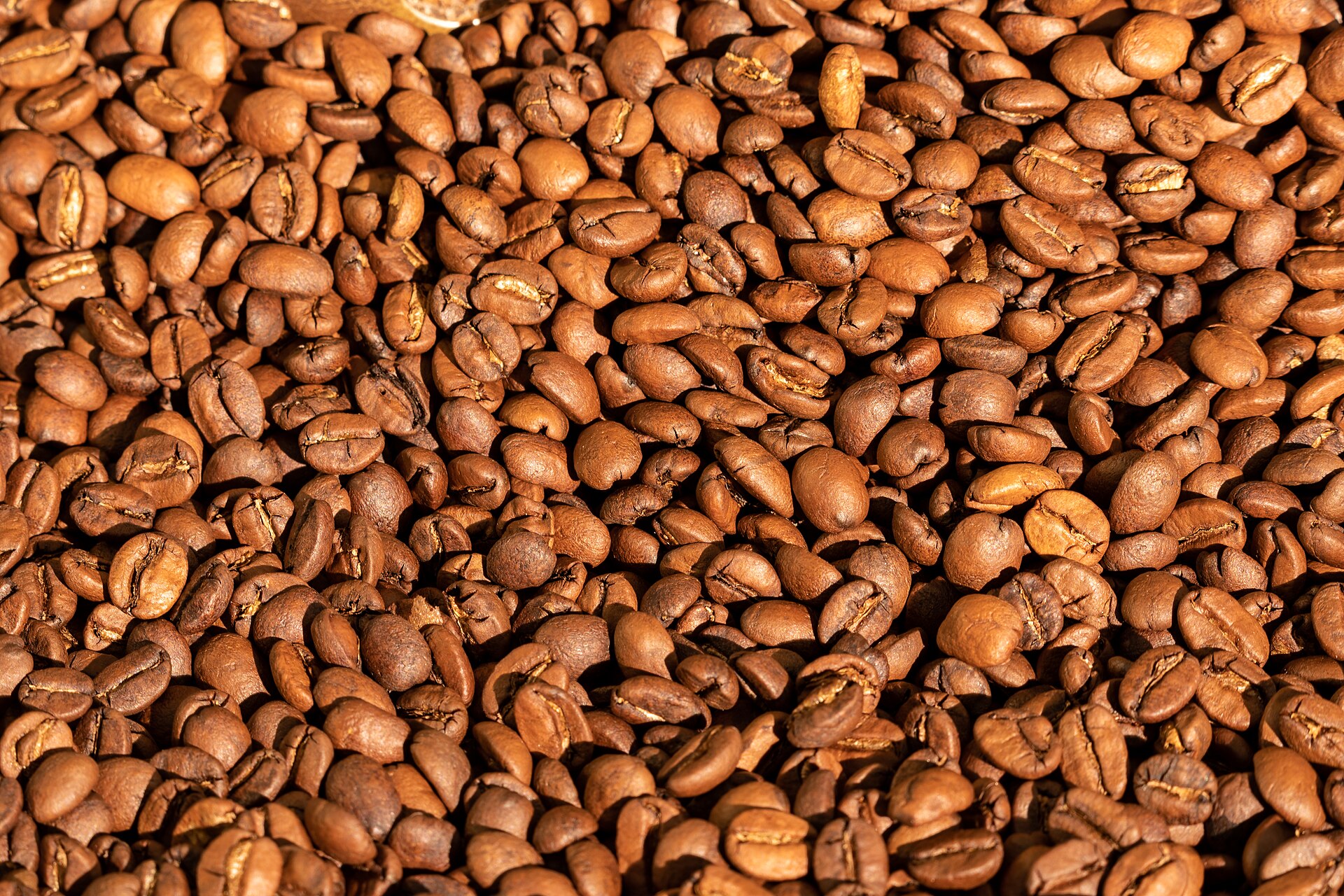
Quick answer: Oily coffee beans are usually a sign of a darker or longer roast, not of freshness or quality. Roasting pushes the bean’s natural oils toward the surface, so dark roasts look glossy and light roasts look dry. Open a bag of dark roast and you may see a shine on every bean. Many people think this is a flaw. Others think it means the coffee is rich and fresh. Both ideas are too simple. Here is the truth about oily coffee beans. Why Are Some Coffee Beans Oily? What Makes Them Shiny Green coffee beans contain natural oils. During roasting, the bean heats up and its inner structure changes. Gas builds up inside, and the cell walls break down. Over time, the oils move toward the surface. The longer and hotter the roast, the more oil you tend to see. This is why dark roasts look glossy and light roasts look dry and matte. You can read the basics in the Wikipedia article on coffee roasting. Myth 1: oil on the surface means the coffee is stale Not by itself. A dark roast can be shiny on the day it comes out of the roaster. The oil is part of the roast style, not proof of age. Age does matter in a different way, though. Oils can go off over time when beans sit in air, light and heat. If a shiny bean smells sharp, bitter or like old nuts, it is probably past its best. Smell is a better test than shine. Myth 2: light roasts are never oily Light roasts usually stay dry for weeks. Even so, a light roast can show a little oil as it ages, and some medium roasts show a light sheen. So surface oil is a clue about roast level, not a perfect label. Read next: How to Store Coffee Beans: 5 Myths About Fridge, Freezer and Jars · Coffee Roasting Myths: 5 Surprising Beliefs Debunked · Coffee Degassing: 5 Surprising Myths About Fresh-Roasted Beans Myth 3: oily beans make richer coffee Oil on the bean is not the same as oil in your cup. A paper filter catches most of it. Espresso and French press let more through, which can add body. What you taste from a dark roast comes mostly from the roast itself: more bitter, smoky and chocolate notes, and fewer fruity or floral ones. Our guide to light vs dark roast goes deeper on this. Myth 4: oily beans are fine in any grinder Here the myth has a grain of truth. Very oily beans can stick to grinder parts and to the walls of a hopper. Some automatic espresso machines warn against them in their manuals, since oil can clog the system. If you own a machine like that, check what the maker advises. A quick clean of your grinder now and then also helps with stale oil buildup. Myth 5: shiny means burnt A glossy bean is not always a burnt bean. Many Italian roasters make darker roasts on purpose for classic espresso, and they do it with care. A burnt roast tastes ashy and flat. A well-made dark roast tastes deep and sweet-bitter. We cover more ideas like this in our post on coffee roasting myths. How much oil is in a coffee bean? All coffee beans contain oil, even before roasting. According to the International Coffee Organization, green arabica beans hold around 15% lipids, and up to 17% has been measured. Robusta usually holds less: on average 10 to 15%, and sometimes as little as 7%. A recent lab study found a similar gap: about 16% lipids in arabica and about 10% in robusta. So the oil is always there. Roasting only decides how much of it you can see. When do coffee beans turn oily? Roasting breaks down the inside of the bean. Gas builds up, the cells stretch and the cell walls become porous. Around second crack, the structure is open enough for oil to reach the surface, as Trade Coffee explains. That is why dark roasts often shine on day one. Time matters too. Almost any roasted coffee will show some oil if it sits long enough. Here is a simple guide by roast level: Roast level What you usually see What it can mean Light Dry and matte A shine after a couple of weeks may mean the beans are getting stale Medium Mostly dry, maybe a light sheen later Normal with age; check the roast date Medium-dark Some spots of oil Normal for this roast style Dark (past second crack) Glossy, often from roast day Roast style, not a sign of age by itself Use the table as a rough guide. Bean origin, processing and the roaster’s style all play a part. Are oily coffee beans bad for your espresso machine? They can be, if you own a bean-to-cup machine. De’Longhi tells owners of its fully automatic machines to avoid beans that are too oily, caramelised or coated, because they can stick to the grinder. JURA asks owners to use only roasted, untreated beans and to avoid caramelised beans or beans with additives. If you have a machine like this, a medium roast is the safer choice. With a separate grinder and a manual espresso machine, oily beans are less of a worry. Just clean the grinder more often. Does the oil in coffee affect your health? Coffee oil contains natural compounds called diterpenes, mainly cafestol and kahweol. A Harvard Health article explains that, without a filter, some of these end up in your cup. It notes that five to eight cups a day of unfiltered coffee may raise LDL (“bad”) cholesterol. Paper filters make a big difference. Research by Urgert and Katan, published in the Annual Review of Nutrition in 1997, found that paper-filtered coffee holds back these compounds, while boiled coffee, French press and Turkish coffee let more through. If you have concerns about cholesterol, talk to your doctor. Our article on coffee and heart
Italian Coffee Culture: 6 Surprising Reasons Locals Drink Standing Up
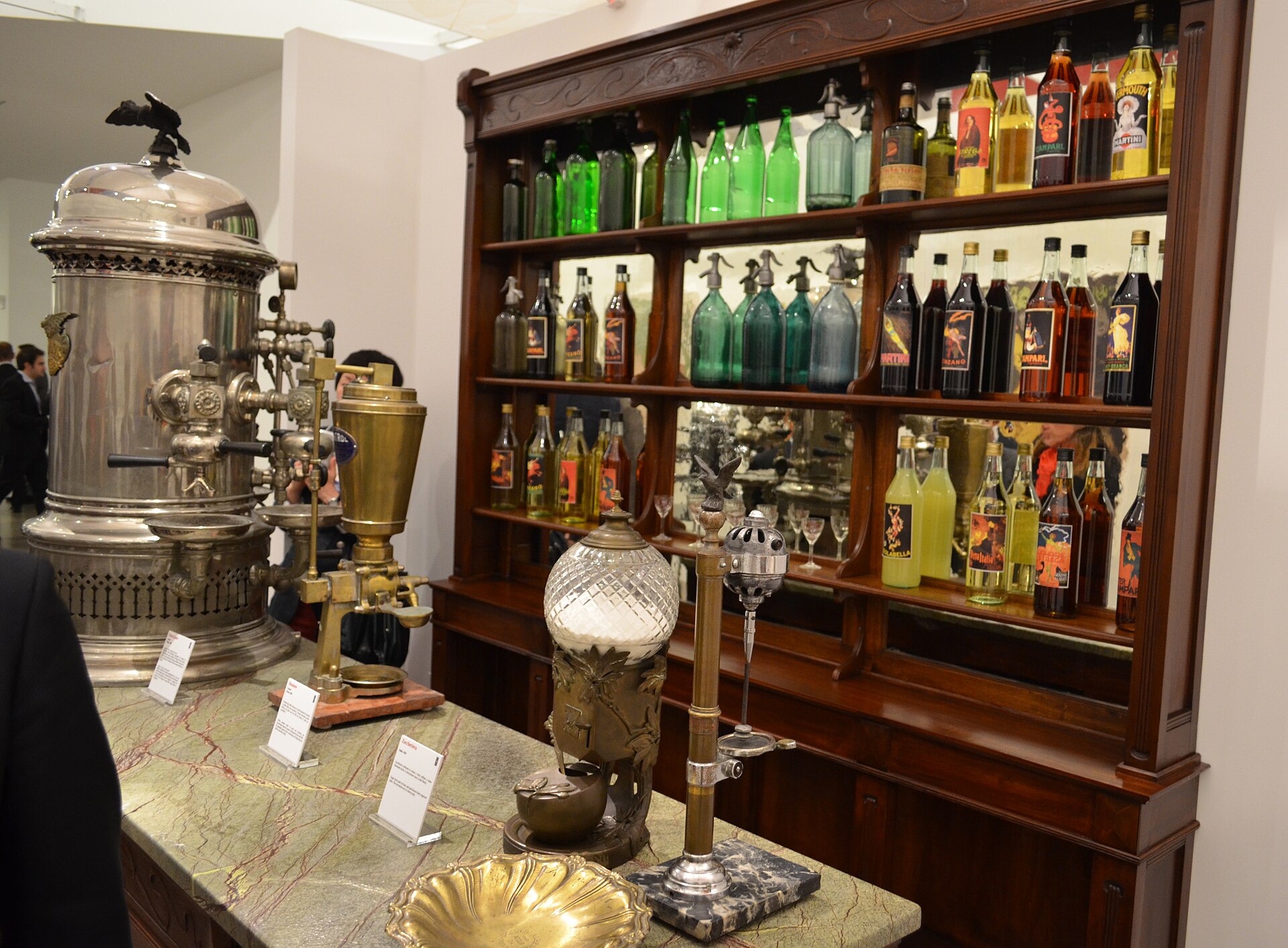
Quick answer: Italians drink coffee standing at the counter, called the banco, of a bar. In Italy a bar is a small café, not a pub, where people have a pastry, a quick coffee and a chat with the barista. Walk into any bar in Italy at eight in the morning and you will see the same scene. People drink a tiny cup of coffee in about a minute. They stay on their feet. They pay and they leave. This habit sits at the heart of Italian coffee culture, and it surprises most visitors. Here is why Italians drink standing up, and what it tells us about the way they treat coffee. 1. The counter is the real home of Italian coffee culture In Italy, a “bar” is not a pub. It is a small café where people eat a pastry, drink coffee and chat with the barista. The long counter, called the banco, is the heart of the room. Regulars often have a first-name bond with the person behind it. Standing at the banco keeps coffee social and quick. You talk for a minute, then you get on with your day. 2. Standing is cheaper than sitting Many bars post two prices: one for the counter (al banco) and one for a table (al tavolo). Sitting can cost double, or more, because table service adds staff time and takes up space. The espresso itself is the same. The counter price has long stayed low, often close to one euro. Prices have risen in recent years, but the gap between counter and table remains. If you want to save money, do what locals do. Stand. 3. Espresso is made to be drunk fast A classic espresso is small and hot. It is best in the first minute, while the crema (the golden foam on top) is still fresh. After that it cools and the flavor changes. You can read more about how the drink took shape in our history of espresso. So the counter is practical. Drink it hot, drink it now, and move on. Read next: Why Italians Drink at the Bar: Italian Coffee Bar Rules · Italian Coffee Drinks: 10 Essential Orders and the Unwritten Rules · Coffee in Naples: 5 Secrets Behind the Tazzulella 4. A coffee is a pause, not an event In many countries, coffee means a large cup you carry around for an hour. In Italy, it is a short break inside the day. Italians may have several during the day, and each one is small. When an Italian asks for “un caffè”, they mean an espresso. No size, no extras. That simplicity is part of the charm. 5. Milk has its own timing A cappuccino is a breakfast drink for most Italians. Many see it as heavy after a meal and prefer an espresso then. This is a custom, not a law, and nobody will arrest you for ordering one at four in the afternoon. Still, it explains why you will rarely see locals do it. Our guide to Italian coffee drinks covers these habits in more detail. 6. Sitting is for a different kind of moment Italians do sit down for coffee. They just do it when time is the point: a long chat with friends, a Sunday after lunch, a slow afternoon. In those cases, they pay for the table gladly. The seat buys time, not a better cup. How to order like a local Say “un caffè, per favore” at the counter. In some busy bars you pay first at the cash desk and show your receipt to the barista. If you are not sure, watch what the person ahead of you does. A glass of water often comes with your coffee, and it is fine to drink it first. For more background on coffee as a drink, see the Wikipedia entry on espresso. How much does an espresso cost in Italy? Less than in most of Europe, but more than it used to. In August 2026, consumer group Assoutenti put the national average for an espresso at the bar at €1.29, based on Ministry of Enterprise data. That is about 24% more than in 2021, as Teleborsa reported. Bolzano was the most expensive city at €1.51, and Messina the cheapest at €1.06. Here are some big cities, from an Altroconsumo analysis of June 2026 prices: City Espresso at the counter (June 2026) In 2021 Milan €1.27 €1.04 Naples €1.24 €0.90 Rome €1.19 €0.95 These are averages. A bar near a big landmark can charge more, and a small neighbourhood bar can charge less. Counter or table: what you will pay By law, Italian bars must display their prices where customers can see them. The rule comes from article 180 of the 1940 public safety regulation, and bars can be fined if the list is missing. Bars are free to set a higher table price, and they often do. Sitting down can easily cost two or three times the counter price. In famous squares the gap can be huge. In 2018, a café in St Mark’s Square in Venice charged €11.50 for an espresso at a table, against €1.20 at the counter, according to Dissapore. Some historic cafés also add a music charge when the band is playing. If you want to visit one, our guide to historic cafes in Italy tells their stories. Italian coffee orders: a quick glossary Italian bars keep things short. These are the words you will hear at the counter: You say You get Un caffè An espresso Caffè macchiato Espresso with a small spot of milk or foam Caffè lungo A slightly longer espresso, with more water Caffè ristretto A shorter, stronger espresso Caffè corretto Espresso with a splash of spirit, such as brandy or rum Un deca A decaf espresso Caffè d’orzo A caffeine-free drink made from roasted barley Caffè al ginseng A sweet, creamy coffee drink with ginseng extract Latte macchiato Hot milk in a tall glass, with espresso added on
Kalita Wave Guide: 6 Essential Steps for a Sweeter Cup
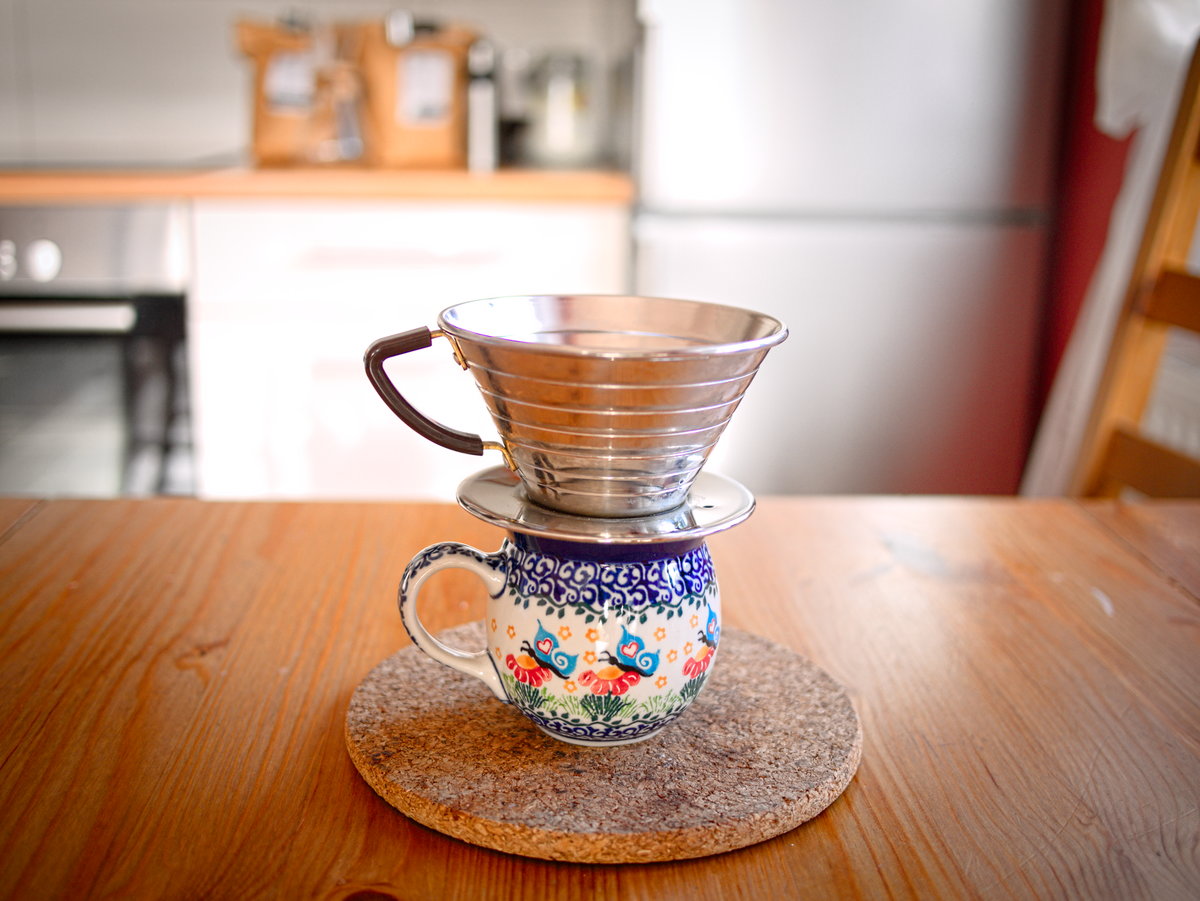
The Kalita Wave is a pour-over brewer that forgives small mistakes. Its flat bottom spreads water evenly over the coffee. That makes a sweet, balanced cup, even if your pour is not perfect. This guide shows how to brew with the Kalita Wave, step by step. The recipe below blends advice from several roasters and brew guides. Most agree on a ratio near 1:16, a medium grind, and a brew time of three to four minutes. Treat the numbers as a starting point, then adjust to your taste. Why the Kalita Wave is easy to use Many pour-over cones have one big hole. Water runs fast, and a sloppy pour shows in the cup. The Kalita Wave has a flat bed of coffee and small holes at the base. Water drains more slowly and more evenly. A rough pour matters less. That is why it suits beginners and anyone without a gooseneck kettle, although a gooseneck kettle still gives you better control. The brewer uses its own paper filters, with a wavy edge. Standard cone filters do not fit. Buy filters made for the size you own, such as the Kalita Wave 185 dripper. It serves two to four cups; the smaller Kalita Wave 155 is the one for one to two cups. What you need Not sure about the ratio? Our guide to the coffee to water ratio explains why 1:16 is a good place to start. Water heat matters too, so see our water temperature guide. Kalita Wave brew guide: 6 steps Kalita Wave Recipe at a Glance Here is the same recipe as a quick table, plus a smaller and a larger version. All use a ratio close to 1:16. Cups Coffee Water Bloom Total time 1 small cup 15g 240g 30–40g for 30 s 2:45–3:15 1 large mug 20g 320g about 50g for 30 s 3:00–3:30 2 cups (185 only) 30g 480g about 70g for 30–45 s 3:30–4:00 Seattle Coffee Gear suggests a ratio between 1:15 and 1:17, water at about 93°C (200°F), a bloom of 40–60ml and a total brew time of 3 to 4 minutes for a 20g dose. Larger doses take a little longer to drain, so expect the top end of that range. Kalita Wave 155 vs 185: Which Size Should You Buy? The Wave comes in two sizes. The number refers to the filter size, so each size needs its own filters. Kalita Wave 155 Kalita Wave 185 Best for 1–2 cups 2–4 cups Typical yield About 12–16 oz (350–475ml) Up to about 24 oz (700ml) Filters Wave 155 filters Wave 185 filters Materials Glass, stainless steel Glass, stainless steel, porcelain Figures from Seattle Coffee Gear and Prima Coffee. If you brew one mug a day, the 155 is enough. The 185 is more flexible: it handles a single 20g mug and also a 30g brew for two, which is why many people choose it. Glass, Steel or Ceramic? All Kalita Wave drippers share the same shape: a flat bottom with three small holes, joined by a raised ridge. The material changes how the brewer feels and how careful you need to be. Whichever you pick, the special filter does a lot of the work. Its wavy sides keep most of the water away from the walls of the brewer, which helps keep the temperature stable. Kalita Wave vs V60: What Is the Difference? Kalita Wave Hario V60 Shape Flat bottom Cone Holes Three small holes One large hole Flow Slower, more even Fast, depends on your pour Forgiving for beginners Very Less Typical cup Sweet, rounded, balanced Clear, bright, more acidity Filters Wave filters only Cone filters, easy to find In short, the Wave gives you a steady cup with less effort. The V60 gives you more control, but it shows every mistake. Read our Hario V60 review or the V60 vs Chemex comparison if you are choosing between brewers. How to fix a bad cup Taste tells you what to change. Use the timer to confirm. Grind size is the biggest lever. Our coffee grind size guide shows what each grind should look like. For the Wave, aim for something like sea salt: a little gritty, but not chunky. If you want to compare it with a cone brewer, read our V60 coffee guide. Common mistakes The Kalita Wave is one of the many ways to prepare coffee. It rewards calm, steady pours and fresh beans. Once you find your numbers, you can repeat them every morning. Kalita Wave: Common Questions What grind size should I use for the Kalita Wave? Use a medium grind, a little like coarse sea salt. It should be finer than for a Chemex and coarser than for a drip machine. If the brew finishes much faster than 3 minutes, grind finer. What is the best ratio for the Kalita Wave? Start at 1:16, for example 20g of coffee and 320g of water. Go to 1:15 for a stronger cup or 1:17 for a lighter one. Can I use normal cone filters in a Kalita Wave? No. The Wave needs its own flat-bottom filters with a wavy edge. Buy the size that matches your brewer: 155 or 185. Do I need a gooseneck kettle? It helps, but it is not essential. The flat bed and small holes make the Wave more forgiving than a cone. A gooseneck simply makes slow, even pours easier. Who makes the Kalita Wave? Kalita, a Japanese company that started out making paper coffee filters in 1958 and later moved on to drippers and other brewing gear. At IndieRoastersItaly, we are building a subscription for small Italian roasters. Fresh beans from a roaster you can trust make any brewer better. You can join the waitlist on our homepage to hear when we launch. Related reading: The best gooseneck kettles for pour-over · Why the coffee bloom matters | Best Pour Over Dripper: V60, Kalita Wave or Chemex? This article was written with the support of artificial intelligence for content