
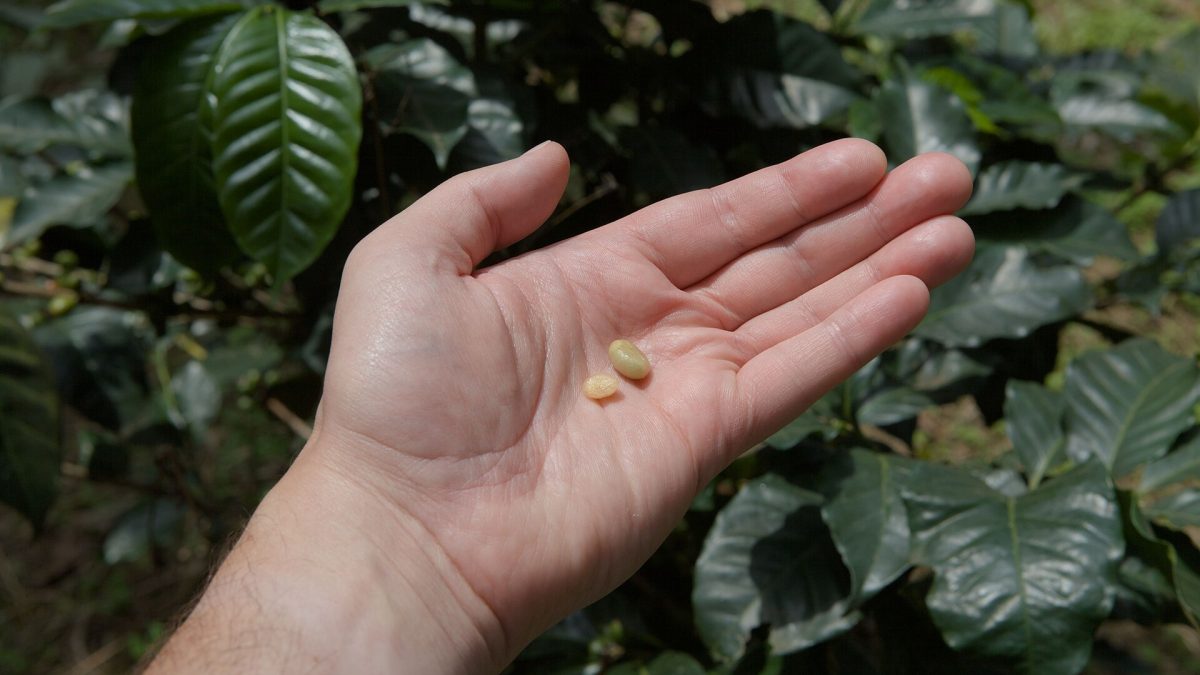
Quick answer: Tanzania coffee is mostly washed Arabica grown by smallholders on high mountain slopes, from Kilimanjaro in the north to Mbeya and Mbinga in the south. It usually tastes bright and fruity, with a clean, chocolatey finish. The country is best known for peaberry, a single-seed bean that makes up about 5% of any harvest.
That is the short version. The long version is more interesting, because the word “Kilimanjaro” on a bag does not always mean what you think. In this guide, you will learn where Tanzanian coffee really comes from, how it is graded, what peaberry is (and is not), and how to brew it well.
Where Tanzania coffee grows
Tanzania produces roughly 30,000 to 40,000 metric tons of coffee a year, according to the overview of coffee production in Tanzania. About 70% of that is Arabica. The other 30% is Robusta, grown mainly in the Kagera Region in the northwest.
Arabica grows in nine main regions. The northern ones around Mount Kilimanjaro and Mount Meru are the best known. In the south, Mbeya, Mbozi, Songwe and Mbinga have become popular with specialty buyers. If you want a refresher on why altitude matters, read our guide to Arabica vs Robusta.
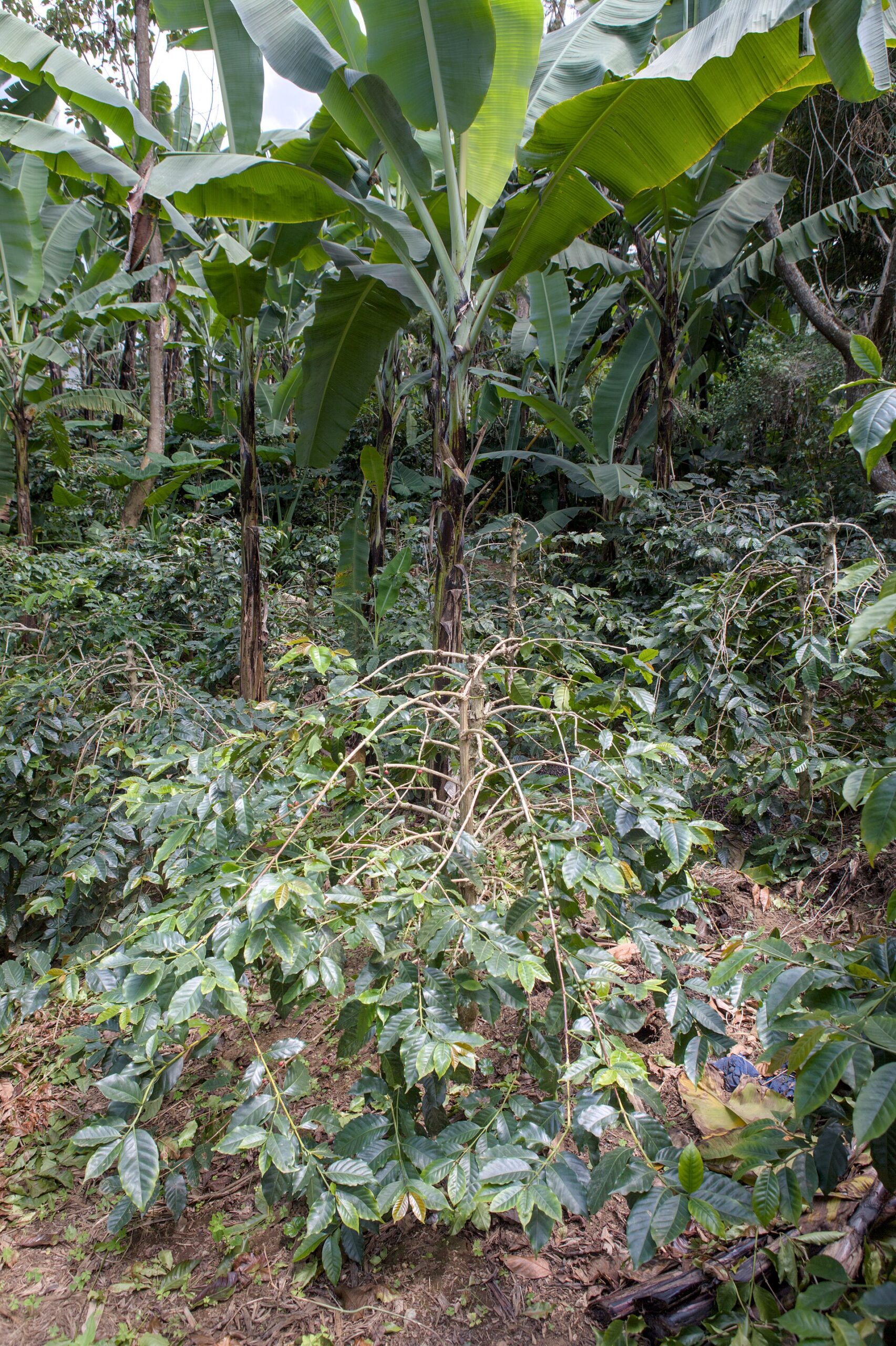
Farm size is the key point. More than 90% of the coffee comes from smallholders, not big estates. Many farmers have only a small plot, often shaded by banana trees. That is why you will see lots of village names, cooperatives and “AMCOS” (farmer cooperative societies) on specialty labels.
When is the Tanzania coffee harvest?
The traditional harvest runs from October to February. But the south is different. Lots from Songwe or Mbeya can be picked at other times, and sellers list different windows. Always check the harvest year on the bag. Fresh crop matters more than the exact month.
A short history of Tanzanian coffee
The story starts in the northwest. Coffee reached the area from the Ethiopian highlands in the 16th century, according to the sources we checked. The Haya people of the Kagera region used Robusta in a very different way. They boiled the beans, steamed them with herbs and chewed the mix as a stimulant. Beans were even used as a form of currency.
Things changed under German colonial rule. In 1911, German authorities ordered farmers in the Bukoba area to plant Arabica. Near Kilimanjaro, the Chagga people took up coffee growing. By 1925, Tanzania (then Tanganyika) exported about 6,000 tonnes worth $1.2 million. That same year, farmers formed the Kilimanjaro Native Planters’ Association, one of the first coffee cooperatives in the country.
The 20th century was bumpy. After independence, the government pushed production hard. Cooperatives were dissolved in 1977 and output suffered. Reforms in the early 1990s opened the market again. Then coffee wilt disease appeared in 1997 and caused serious losses. Today, the industry is still working to rebuild its volume.
Note: historical sources do not agree on every detail. We have kept to the points that appear consistently.
How Tanzanian coffee is graded
Tanzania uses British-style grading. Beans are sorted by shape, size and density, not by cup quality. That is a big difference from the SCA cupping scale. Our guide to the SCA score explains how quality scores work.
There are eleven grades. Here are the ones you will see most often:
| Grade | What it means (in plain words) |
|---|---|
| AA | Largest flat beans, a premium size grade |
| A | Large flat beans |
| B | Medium flat beans |
| PB | Peaberry, the round single-seed bean |
| C, E, F, AF | Smaller or lower grades, often sold as commercial lots |
| TT, UG, TEX | Light, mixed or lower-density grades |
Grade tells you about size. It does not tell you about flavor. A great AA lot can taste flat if it is old, and a small lot can taste lovely if it was picked and dried with care.
The Moshi auction and direct trade
Many lots are sold at the Moshi Coffee Exchange in the Kilimanjaro Region. Auctions have run weekly, on Thursdays, during a nine-month season. Top-grade growers may skip the auction and sell straight to foreign roasters. That is how many direct relationships with small roasters began.
Read next: Kenya AA coffee · Ethiopian Yirgacheffe · Coffee processing methods · Rwanda coffee, Panama Geisha coffee
What is peaberry coffee?
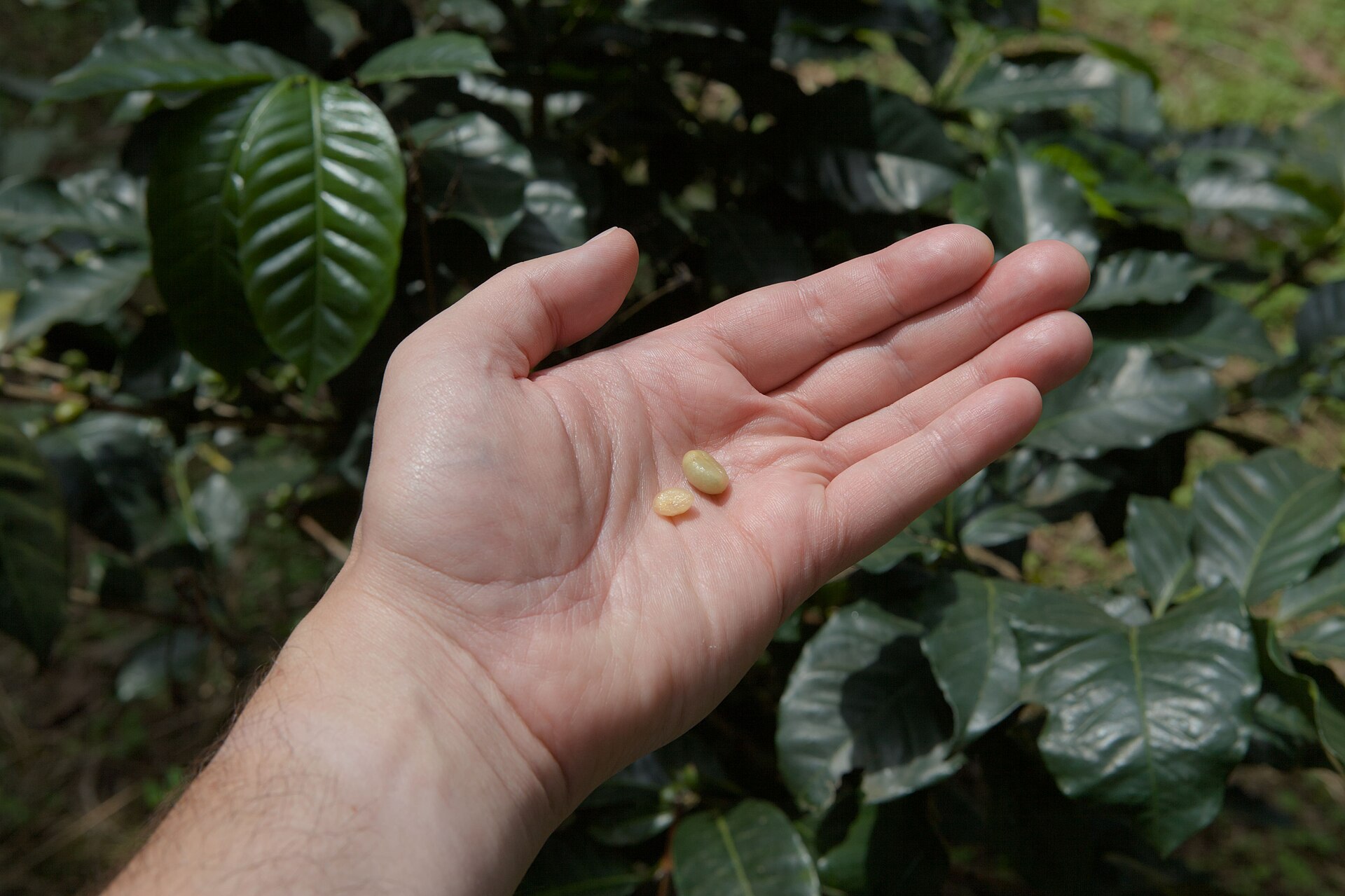
A coffee cherry normally holds two seeds with flat faces pressed together. Sometimes only one seed develops. With nothing to flatten it, that seed grows round, like a small pea. This is a peaberry. According to the Peaberry entry on Wikipedia, about 5% of all beans are peaberries. Tanzania is the origin most often linked to them.
Does peaberry taste better?
It tastes different. One reference says peaberry is often brighter in acidity and a little lighter in body than flat beans from the same lot. Some sellers also claim the round shape roasts more evenly. That claim is not well supported. What is true is that peaberries behave differently in the roaster, so good producers separate them. Sweet Maria’s glossary has a clear note on flat beans as the contrast.
So treat peaberry as a style, not a guarantee of quality. If the lot is stale, the shape will not save it.
Why “Kilimanjaro” is a label, not always a place
Here is something most guides skip. In 1991, the All Japan Fair Trade Council decided that all Tanzanian coffee may use the name “Kilimanjaro coffee”, wherever in Tanzania it grew. A blend can use it too, if it holds 30% or more Tanzanian beans. Japan became the largest buyer of Tanzanian coffee.
The result is simple. A bag marked “Kilimanjaro” may come from the mountain, or from Mbeya, hundreds of kilometers away. Sellers also list different altitudes and harvest months for similar lots. So look for the region, the cooperative or the mill name. If a label gives only “Kilimanjaro”, ask the roaster.
As for buyers, older trade data (2013) listed Japan at 22%, Italy at 19% and the United States at 12% of exports. Those shares will have moved since, but it shows how much Italian roasters have long valued this origin.
What does Tanzania coffee taste like?
Roasters describe it differently, but a pattern appears. Washed lots are usually bright, with citrus, stone fruit or berry notes and a chocolate or caramel finish. Some mention floral hints. The body is often medium.
- Acidity: lively, often described as lemon, lime or plum
- Sweetness: caramel, milk chocolate or almond
- Body: medium, lighter in peaberry lots
- Finish: clean, with a little fruit left behind
If you like Kenyan coffee, you may enjoy Tanzania. It is usually softer and rounder. See our Kenya AA profile to compare.
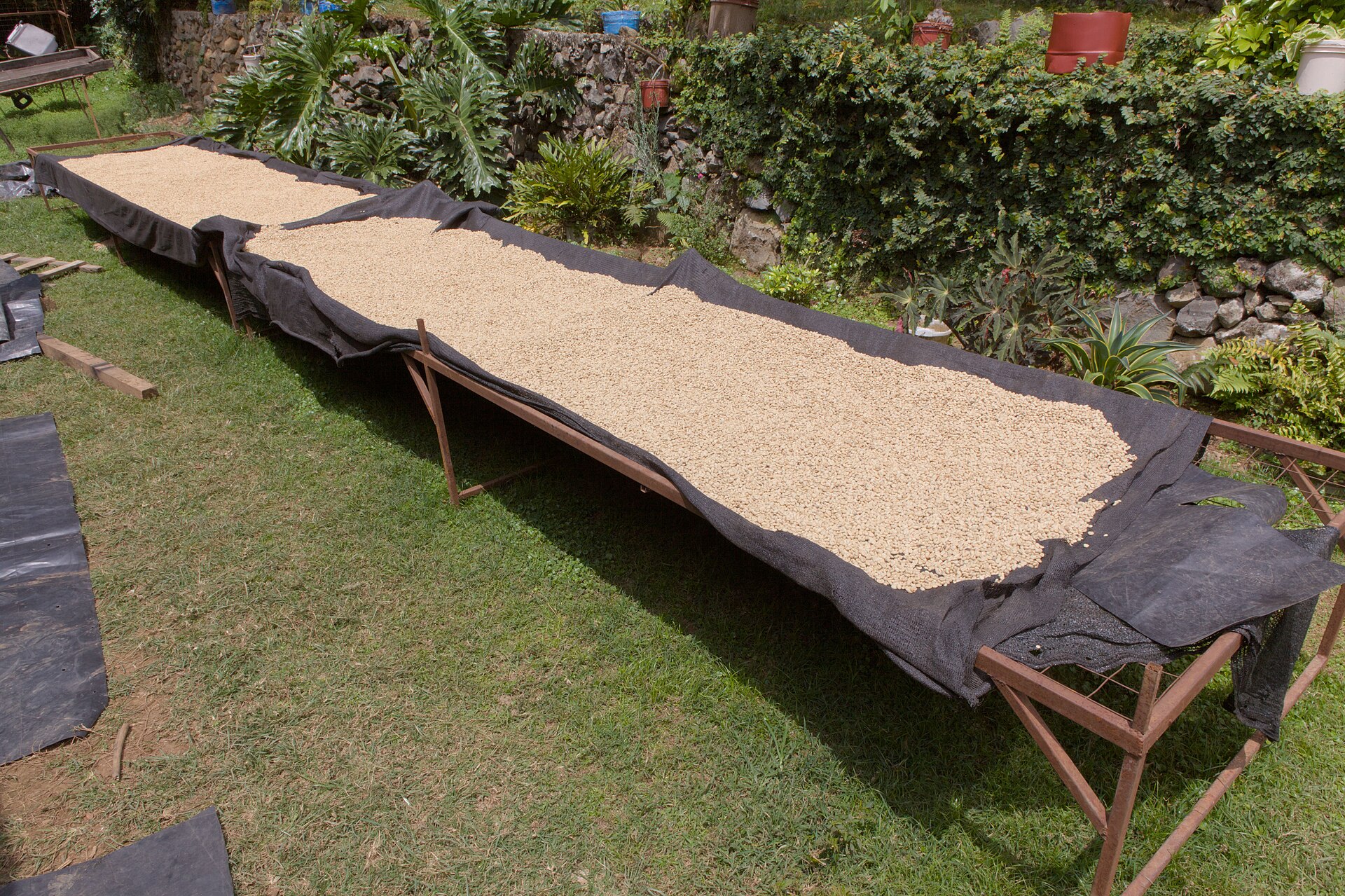
How to brew Tanzania coffee
These are our starting points, not strict rules. Taste and adjust.
- Pour-over: try 1 part coffee to 16 parts water. Use water just off the boil, around 200°F (93°C). Fruit notes show best here.
- AeroPress: a short brew keeps the acidity sweet.
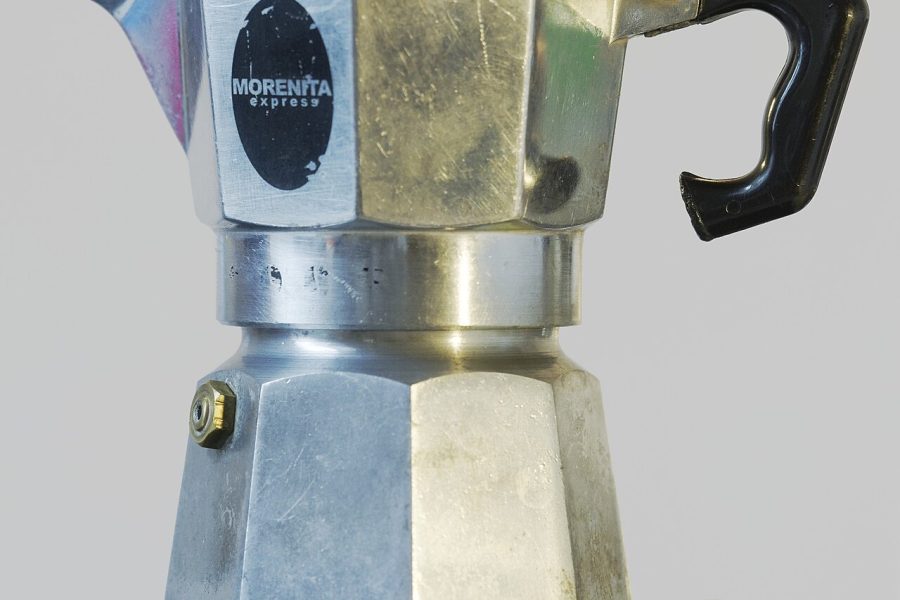
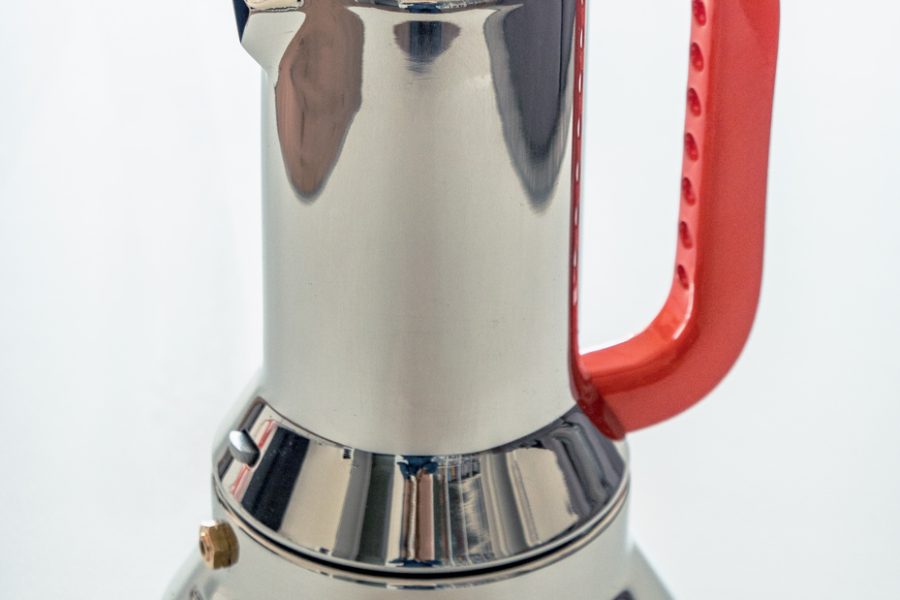
- Espresso or moka pot: a medium roast works well. See our best moka pots guide for stovetop options.
- Water: soft, clean water helps. Our water temperature guide covers the basics.
Common mistakes when buying Tanzanian coffee
- Assuming AA means “best”. It means large beans. Check roast date and cup notes.
- Buying only on the word “Kilimanjaro”. Look for region and mill.
- Grinding too fine for light roasts. Bright coffees turn sour or harsh. Go a little coarser.
- Keeping it too long. Use it within a few weeks of the roast date.
- Expecting peaberry to be sweeter. It is different, not automatically better.
How to read a Tanzania coffee label
A good label tells you much more than the country. Use this short checklist in the shop or online.
- Region or cooperative: Mbeya, Mbozi, Songwe, Mbinga, Kilimanjaro or a named AMCOS. The more specific, the better.
- Process: most lots are washed. Washed coffee is cleaner and brighter. Our guide to coffee processing methods explains the difference.
- Grade: AA, A or PB tells you the bean size or shape. Treat it as a hint, not a score.
- Altitude: useful, but compare it with care. Sellers list wide ranges for similar lots, so one number is not proof.
- Crop year and roast date: choose the current crop and a recent roast.
- Tasting notes: these come from the roaster. Expect fruit and chocolate, and compare the notes with what you taste.
If a label gives only “Tanzania” and a dark roast, you will learn little about the coffee. That is common for commercial blends. Specialty roasters share more detail, because the detail is the point.
Tanzania next to its neighbors
Tanzania sits between Kenya and Rwanda on the coffee map, and the cups often show it. Kenyan lots are known for sharp, juicy acidity. Rwandan lots tend to be sweet and tea-like. Tanzania often lands in the middle: bright, but rounder and more chocolatey. This is a general pattern. Individual lots can break it. Try a Tanzanian, a Kenyan and a Rwandan coffee brewed the same way, and you will taste it yourself.
Tanzania coffee FAQ
Is Tanzania coffee good?
Yes, the best lots are very good. Washed high-altitude lots are bright, clean and fruity. As with any origin, quality depends on the farm, the harvest and the roast.
Is Tanzania peaberry coffee worth it?
It is worth trying once. It tends to be brighter and lighter in body. But the claim that it roasts more evenly is not proven.
Is Tanzania coffee Arabica or Robusta?
Both. About 70% of production is Arabica and 30% is Robusta. The Arabica that reaches specialty shops mostly comes from the northern and southern highlands.
How is Tanzania coffee different from Kenyan coffee?
Both are bright and fruity. Kenyan lots are usually sharper, with a stronger berry acidity. Tanzanian lots are often softer and rounder, with more chocolate.
When is Tanzania coffee harvested?
The traditional season is October to February. Some southern lots follow other windows, so check the crop year on the label.
Does “Kilimanjaro coffee” always come from Mount Kilimanjaro?
No. In Japan, the name may be used for any Tanzanian coffee. Look for the specific region or cooperative.
Your next step
Pick a washed Tanzanian lot, ideally from a named cooperative, and brew it as a simple pour-over. Then compare it with a Kenyan or an Ethiopian coffee side by side. That tasting will teach you more than any article.
IndieRoastersItaly is building a subscription for specialty coffee from independent Italian roasters, roasted to order. If that sounds good, join the waitlist on the IndieRoastersItaly home page.
This article was written with the support of artificial intelligence for content structuring, and was fully reviewed, verified, and refined by the author.

A practical tip when you shop for Tanzanian beans: pick a washed coffee with a clear roast date, ideally within the last few weeks. The bright, fruity notes of Tanzania fade fast, and a fresh bag makes a big difference in the cup. If the label names a region or a cooperative, even better. Have you ever tried a Tanzanian peaberry? Tell us how it tasted in the comments.