
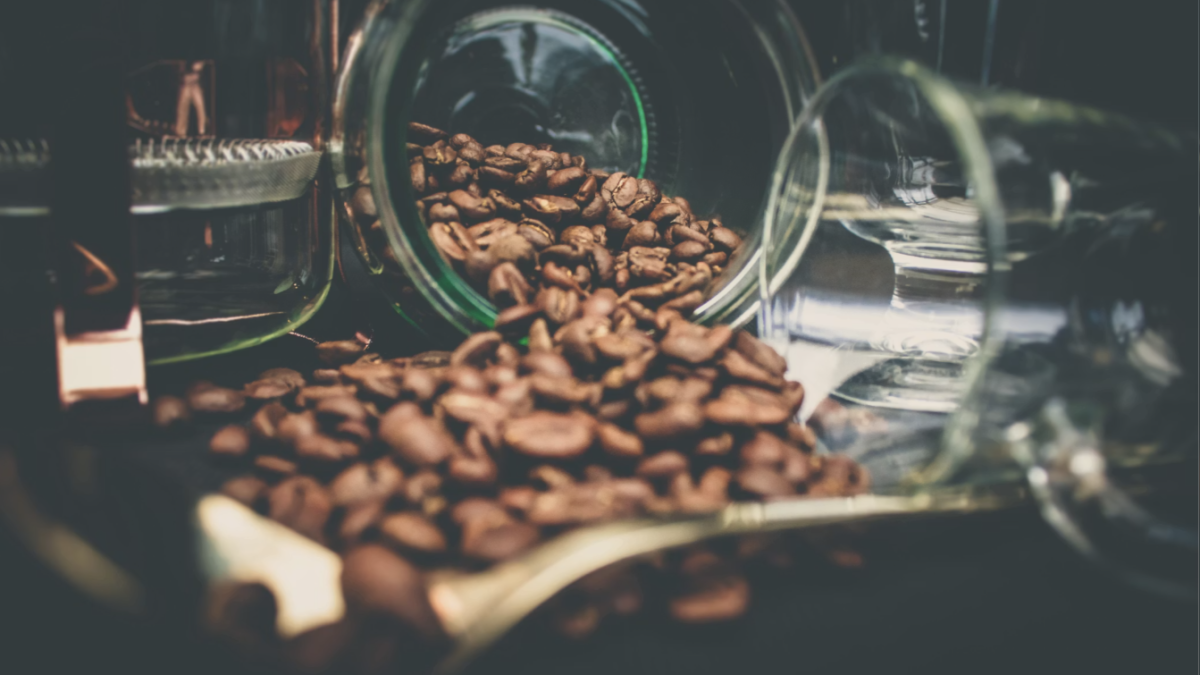
Should you keep coffee beans in the fridge? Mostly no. The freezer can help, but only if you do it right. For most people, an airtight, opaque container in a cool cupboard is the best home for beans. Below, we sort the coffee storage myths from the facts, so your next bag tastes good down to the last cup.
Few kitchen habits cause as many arguments as this one. Some people swear by the freezer. Others treat it as a crime. Both camps have a point, and both are often wrong. Here is what you will learn: why coffee goes stale, which storage advice holds up, and a simple routine that works at home.
Why coffee goes stale
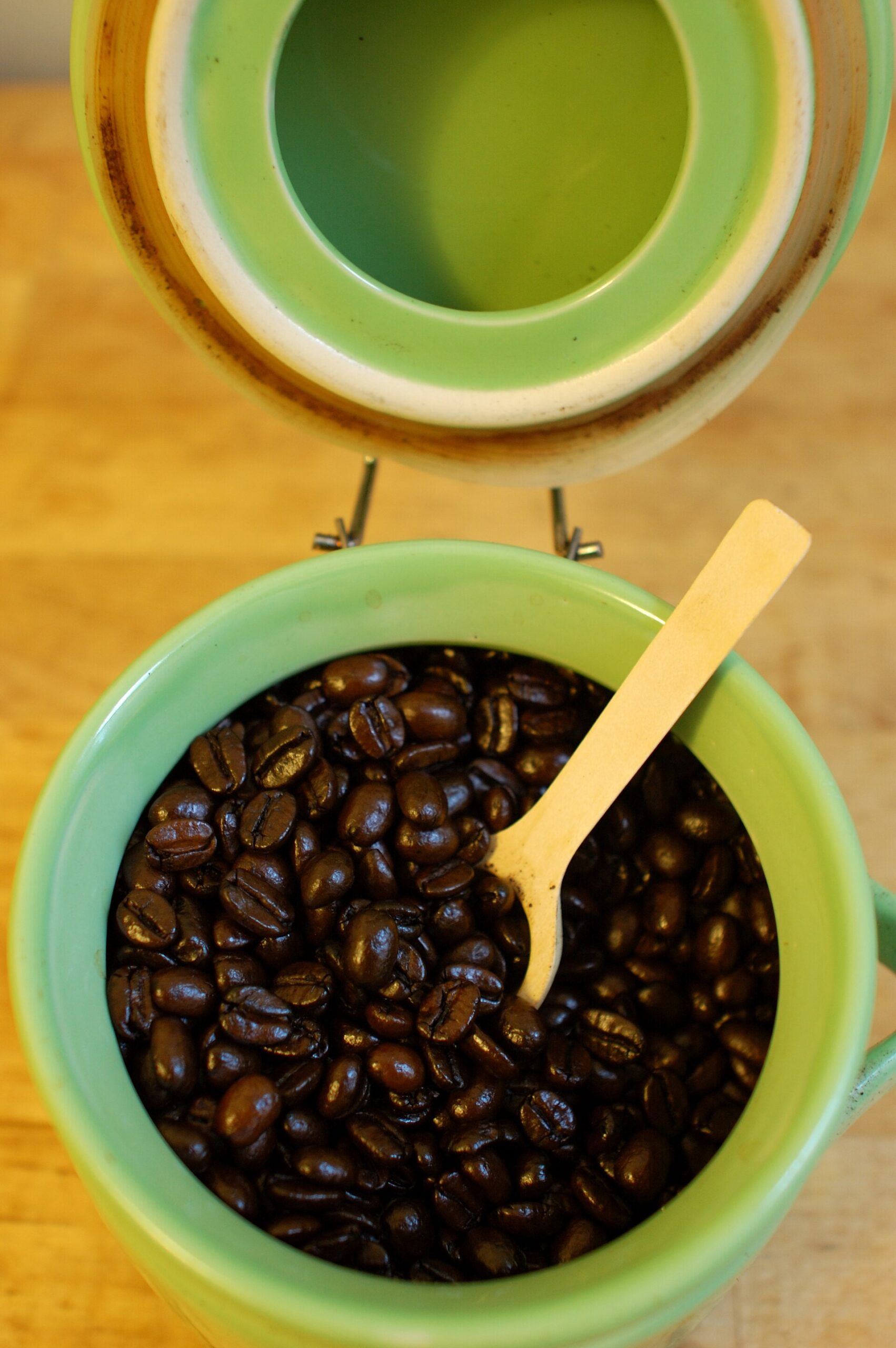
Roasting changes a green seed into something full of aroma. Those aromas are fragile. Once the beans cool, three things start to wear them down.
- Oxygen. Air slowly reacts with the oils and aroma compounds in the bean. This is the main cause of stale, flat, cardboard-like flavor.
- Moisture and odors. Coffee is hygroscopic. That means it soaks up water and smells from its surroundings, like a sponge.
- Light and heat. Sun on a countertop or a spot near the oven speeds up all of the above.
Fresh roasted beans also release carbon dioxide for days after roasting. That gas is normal, and we cover it in our guide to coffee degassing myths. The point for storage is simple: keep air, damp and light away from the beans. Every myth below should be judged by that rule.
Myth 1: The fridge keeps coffee fresh
It feels logical. Cold slows spoilage in milk and meat, so it should help coffee too. In practice the fridge is a poor place for beans.
A fridge is damp and full of strong smells. Beans pull in both. Several sources warn that moisture from the fridge can hurt flavor and, in the worst case, lead to spoilage. The National Coffee Association guidance on storing coffee also points to cool, dry, airtight storage as the goal.
There is a second problem. Each time you open the container, warm kitchen air meets cold beans. Water then forms on the cold surface. That tiny bit of condensation is exactly what you do not want.
Verdict: Myth. Skip the fridge for whole beans and for ground coffee.
Myth 2: Never freeze coffee
This is the opposite myth, and it is also too simple. Freezing slows the chemical changes that make coffee stale. Some tests suggest it works well. Cook’s Country reported that after one month, beans stored in the freezer tasted better than beans left on the counter. You can read their coffee storage test for the details. Consumer Reports also says the freezer beats the fridge for long storage, as you can see in its guide to storing coffee beans.
The catch is how you freeze. Opinions differ, and some manufacturers still advise against it. The safe approach looks like this:
- Freeze only if you will not finish the bag within a few weeks.
- Split the bag into small portions, enough for about one week each.
- Use airtight containers or well-sealed bags with the air pressed out.
- Take out one portion at a time. Let it come to room temperature in its sealed container before you open it.
- Never refreeze beans once they have thawed.
That sealed thaw matters. If you open a frozen container right away, moisture from the air settles on the cold beans.
Verdict: Partly true. The freezer is a tool for long-term storage, not a daily home for your beans.
Myth 3: A pretty glass jar is fine
Glass jars look great on an open shelf. They also let in light. A jar that is clear, half full and sitting next to the kettle is a slow way to ruin good coffee.
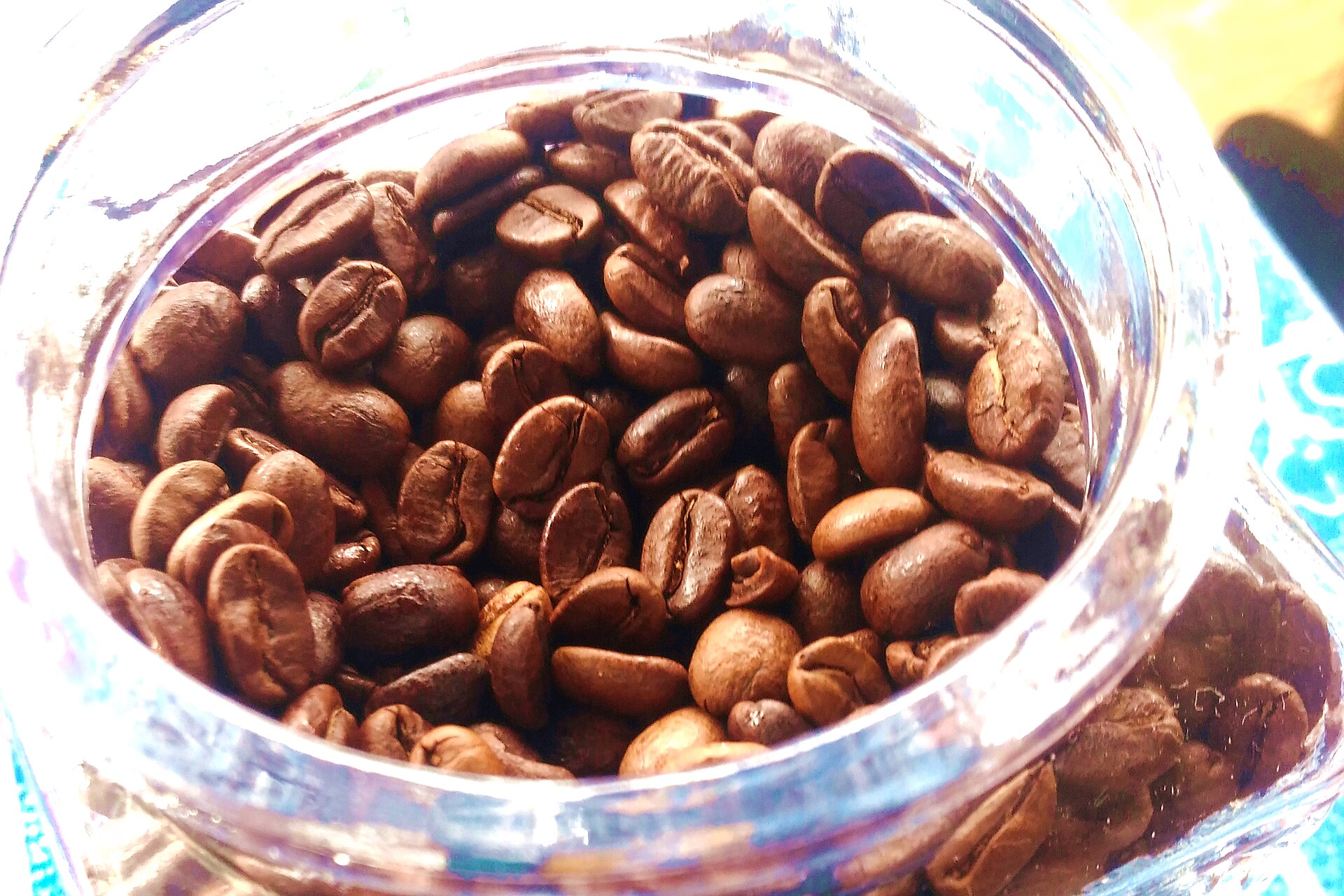
Two problems stand out. First, light. Second, empty space. A half-empty jar holds a lot of air, and air is what stales coffee. If you love glass, put it inside a cupboard. Better still, pick a container that fits the amount of coffee you actually have.
Verdict: Half true. Glass is fine if it seals well and stays in the dark.
Myth 4: Vacuum or nothing
Fancy vacuum canisters are nice, but you do not need one. The bag your roaster sells is often a good start. Many bags have a one-way valve. It lets carbon dioxide out and keeps air from coming back in.
A simple habit helps more than any gadget: squeeze out the air, roll the top down, and close it tight. Or move the beans to a small airtight tin that they fill almost to the top.
Verdict: Myth. A good seal matters. A pump is optional.
Myth 5: Pre-ground keeps as well as beans
Grinding breaks the bean into hundreds of tiny pieces. Each piece has more surface touching the air. So ground coffee loses aroma much faster than whole beans. If you can, grind just before you brew. A hand mill makes this easy, and our list of the best manual coffee grinders is a good place to start.
If you must buy pre-ground, buy less, more often, and seal it tightly.
Verdict: Myth. Whole beans stay fresh for longer.
Quick comparison: where to keep your beans
| Place | Good for | Main risk |
|---|---|---|
| Pantry or cupboard, airtight and dark | Beans you will finish in a few weeks | Heat if it is near a stove |
| Countertop in a clear jar | Looks only | Light, heat and extra air |
| Fridge | Nothing in particular | Moisture, odors, condensation |
| Freezer, small sealed portions | Long storage of a spare bag | Condensation if opened too early; refreezing |
A simple storage routine
Here is a routine that works for most home brewers. It takes five minutes a week.
- Buy fresh roasted beans in amounts you can finish in two or three weeks.
- Keep the working portion in an airtight, opaque container in a cool cupboard.
- Keep the container away from the stove, the kettle and sunny windows.
- If you bought a larger bag, freeze extra portions in sealed, small containers.
- Grind only what you need for each brew.
- Use your senses. If the beans smell flat, they probably taste flat.
Freshness also changes how you brew. Very fresh beans bloom more, which you can read about in our guide to coffee bloom. Older beans may need a slightly finer grind, so check our coffee grind size guide. And if you want to measure instead of guess, see the coffee to water ratio guide.
How to tell if your beans have gone stale
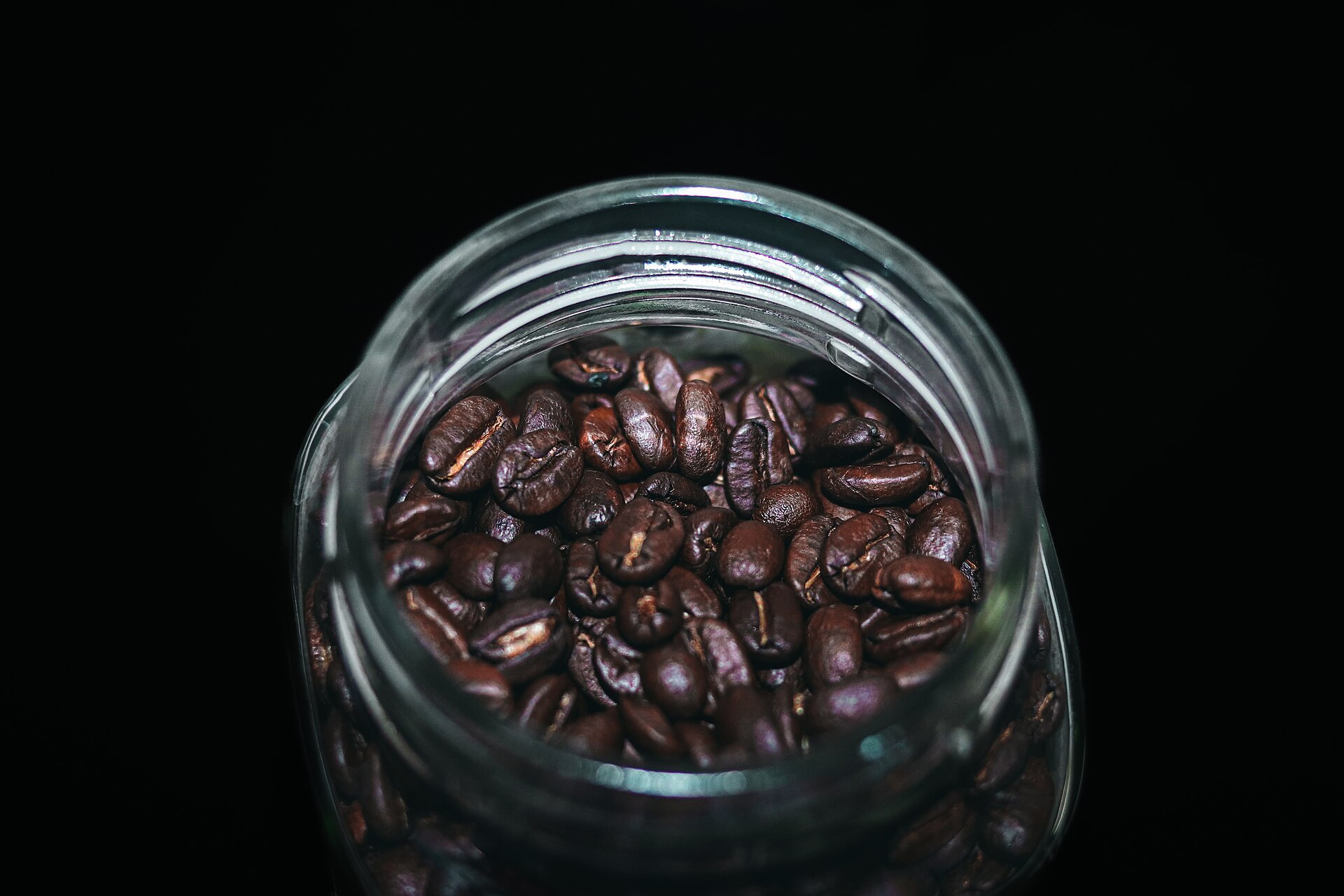
You do not need a lab to judge freshness. Your nose and your cup tell you most of what you need. Look for these signs:
- The smell is dull. Fresh beans smell sweet, fruity, nutty or chocolatey. Stale beans smell flat, dusty or a little like paper.
- The bloom is weak. When hot water hits fresh grounds, they swell and bubble. Little or no bubbling often means the gas has already escaped.
- The cup tastes thin or bitter. Without the sweet aromas, the bitter notes stand out. Many people blame the grinder or the water when the beans are the real cause.
- The beans smell like something else. A hint of fridge, onion or damp is a sign of poor storage.
Stale coffee is not dangerous in the usual case. It simply tastes less good. If you ever see mold or smell something musty, throw the coffee away.
Common storage mistakes and easy fixes
Most storage problems come from habits, not from bad luck. This table lists the usual suspects and the quick fix for each.
| Mistake | Why it hurts | Quick fix |
|---|---|---|
| Leaving the bag open after pouring | Air gets in with every hour | Roll the top, clip it, or move to a tin |
| Keeping the canister next to the stove | Heat speeds up staling | Move it to a cool, shaded shelf |
| Buying a huge bag to save money | You cannot finish it while it is fresh | Buy smaller bags, or freeze portions |
| Opening a frozen container right away | Water condenses on cold beans | Let it warm up sealed first |
| Topping up an old jar with new beans | Old and new beans mix, and the old ones stale the batch | Finish the jar, wash it, then refill |
Buy in a way that makes storage easier
The best storage plan starts at the shop. Ask for the roast date, not just a best-before date. Many independent roasters print the roast date on the bag. Then buy an amount you will finish in a couple of weeks. Small bags cost a little more per gram, but you pay less for coffee that goes to waste.
Think of freshness as a budget. Every day between roasting and brewing spends a little of it. Good storage slows the spending. It cannot give the budget back. That is why a fresh bag in a plain tin will usually beat an old bag in a perfect vacuum canister.
Imagine two kitchens. In the first, a family buys a big bag and leaves it open near the stove. By week three, the coffee tastes flat, and they add more sugar. In the second, one person buys a small bag each fortnight and keeps it in a closed tin in the cupboard. Same coffee, very different cups. The only change is how the beans were treated.
Finally, keep your tools clean. Oils from old beans build up in grinders and containers, and they can taste rancid. Wipe your tin before each refill. If you use a moka pot, see our guide on how to clean a moka pot for the same fresh-cup logic.
FAQ
Can you keep coffee beans in the fridge?
It is not recommended. Beans absorb moisture and smells, and condensation forms each time you open the container. A cupboard works better.
How long do roasted beans stay fresh?
There is no single number. Flavor fades gradually, and it depends on the roast, the bag and the storage. Most people notice the best taste in the first few weeks after roasting, so buy small amounts.
Is freezing coffee beans bad?
Not if you do it carefully. Use small airtight portions, thaw them sealed, and never refreeze. Some tests, such as one by Cook’s Country, found frozen beans tasted better than beans left out for a month.
Should I store coffee in the bag it came in?
Often yes, if the bag reseals and you press out the air. If it does not close well, move the beans to an airtight tin.
Does ground coffee need different storage?
The rules are the same, but the clock runs faster. Ground coffee goes stale more quickly, so buy it in small amounts and keep it sealed.
What is the best container?
Choose one that is airtight, opaque and close in size to the amount of coffee you have. Material matters less than the seal and the dark.
Your next step
Check where your beans live today. If they sit in a clear jar by the kettle, move them. If the bag is half empty, press out the air. These two small changes help more than any gadget. For more myth-busting, read our roasting myths guide.
IndieRoastersItaly is building a coffee subscription with independent Italian roasters. If you love fresh, honest coffee, join the waitlist on our homepage.
This article was written with the support of artificial intelligence for content structuring, and was fully reviewed, verified, and refined by the author.

Our simple rule: buy smaller bags more often and keep them closed in a cool, dark cupboard. It’s easier than any storage trick. How do you store your coffee?