
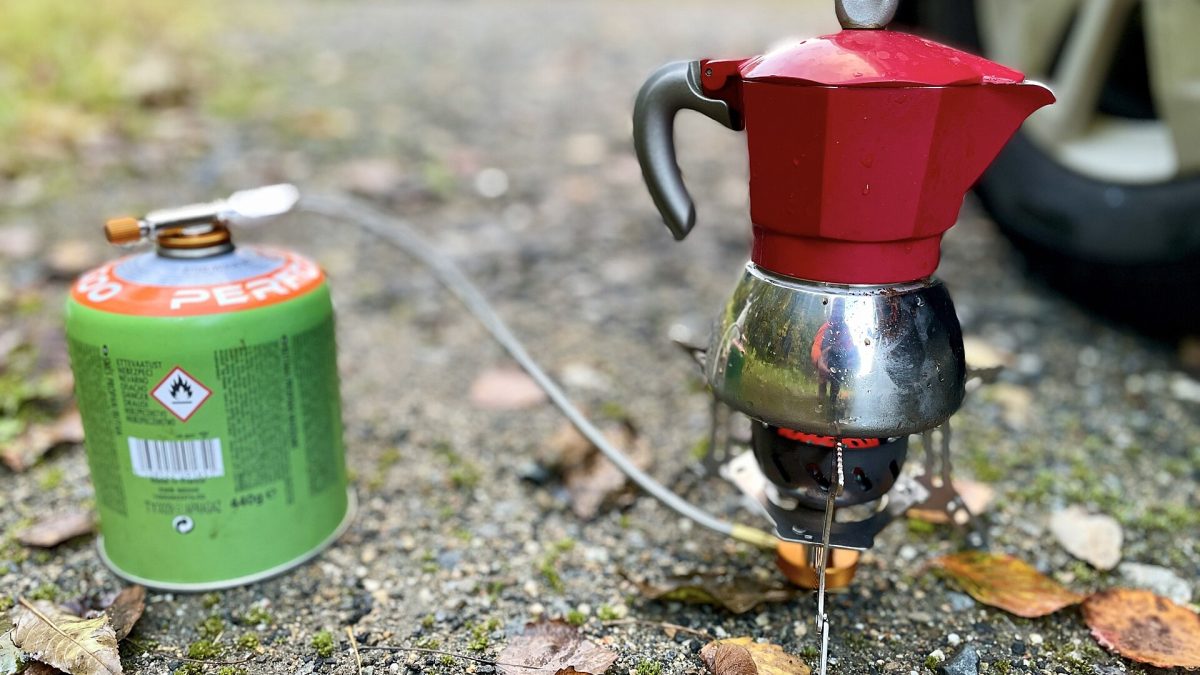
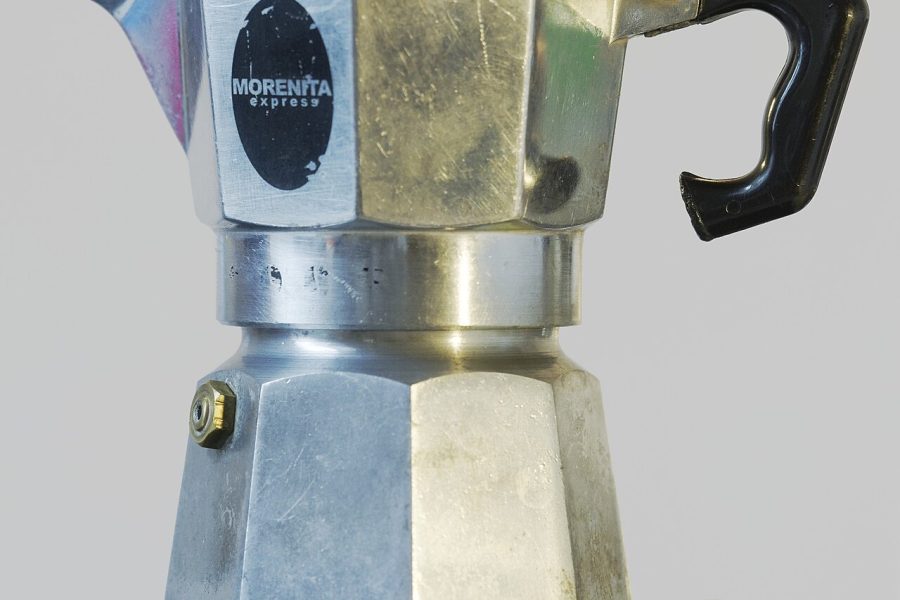
Brikka vs Moka Express comes down to one question. Do you want a simple, classic stovetop pot, or a pot with a pressure valve that aims for a thicker, foamier cup? The Moka Express is the octagonal aluminium pot that Bialetti has made since 1933. The Brikka adds a valve to the spout. That one part changes how the coffee flows, what it costs, and how you clean it.
This guide compares the two pots side by side. You will see a clear table, how each one works, and who should buy which. We have not tested these pots ourselves. Everything here comes from the makers’ listings, published reviews, and what owners report.
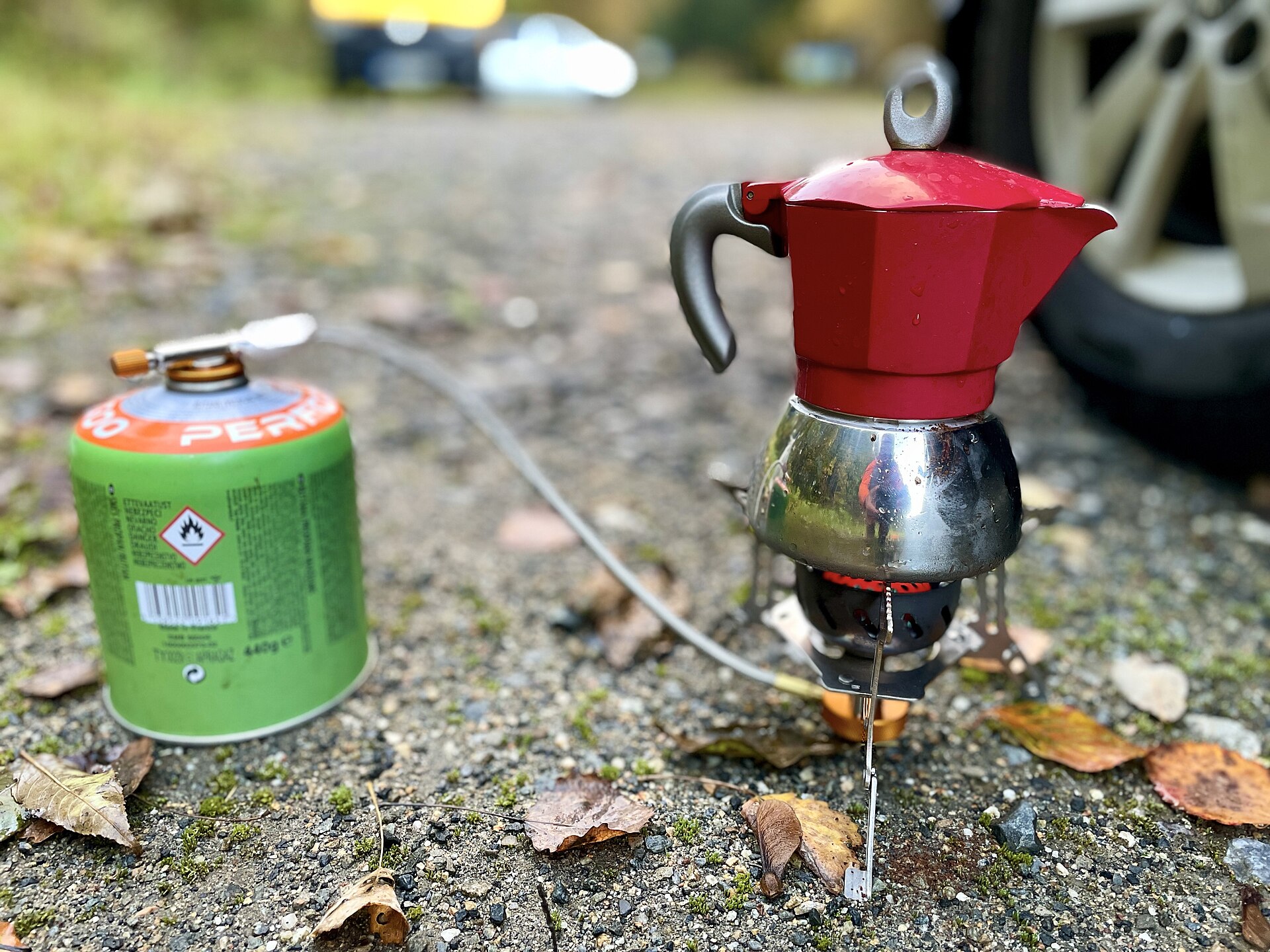
Bialetti Brikka vs Moka Express: The Short Answer
Pick the Bialetti Moka Express if you want the classic pot. It is cheaper, it comes in more sizes, and it is easy to clean. Pick the Bialetti Brikka if you like a stronger cup with a layer of foam on top, and you mostly brew one or two small cups.
Neither pot makes true espresso. Both are stovetop brewers that sit between espresso and filter coffee. If you want to see how a moka pot compares with a real machine, read our moka pot vs espresso machine guide.
Brikka vs Moka Express at a glance
The figures below come from retailer listings and published reviews, such as Barista Life and Homegrounds. Listings do not always agree, so check the exact model before you buy.
| Feature | Bialetti Moka Express | Bialetti Brikka |
|---|---|---|
| Pressure valve | No | Yes, on the spout |
| Sizes | 3, 6, 9 and 12 cups | 2 and 4 cups |
| Brewed volume | About 1.5 oz (45 ml) per cup | About 100 ml (2 cup); about 160 to 170 ml (4 cup) |
| Result in the cup | Classic moka pot coffee | Stronger cup with a foam layer |
| Induction hobs | Classic aluminium pot: no | Standard model: no. A separate Induction version exists |
| Rough price (Aug 2026, one retailer) | About $50 for the 3-cup | About $80 |
| Best for | Families, batches, beginners | One or two small, strong cups |
How each pot works
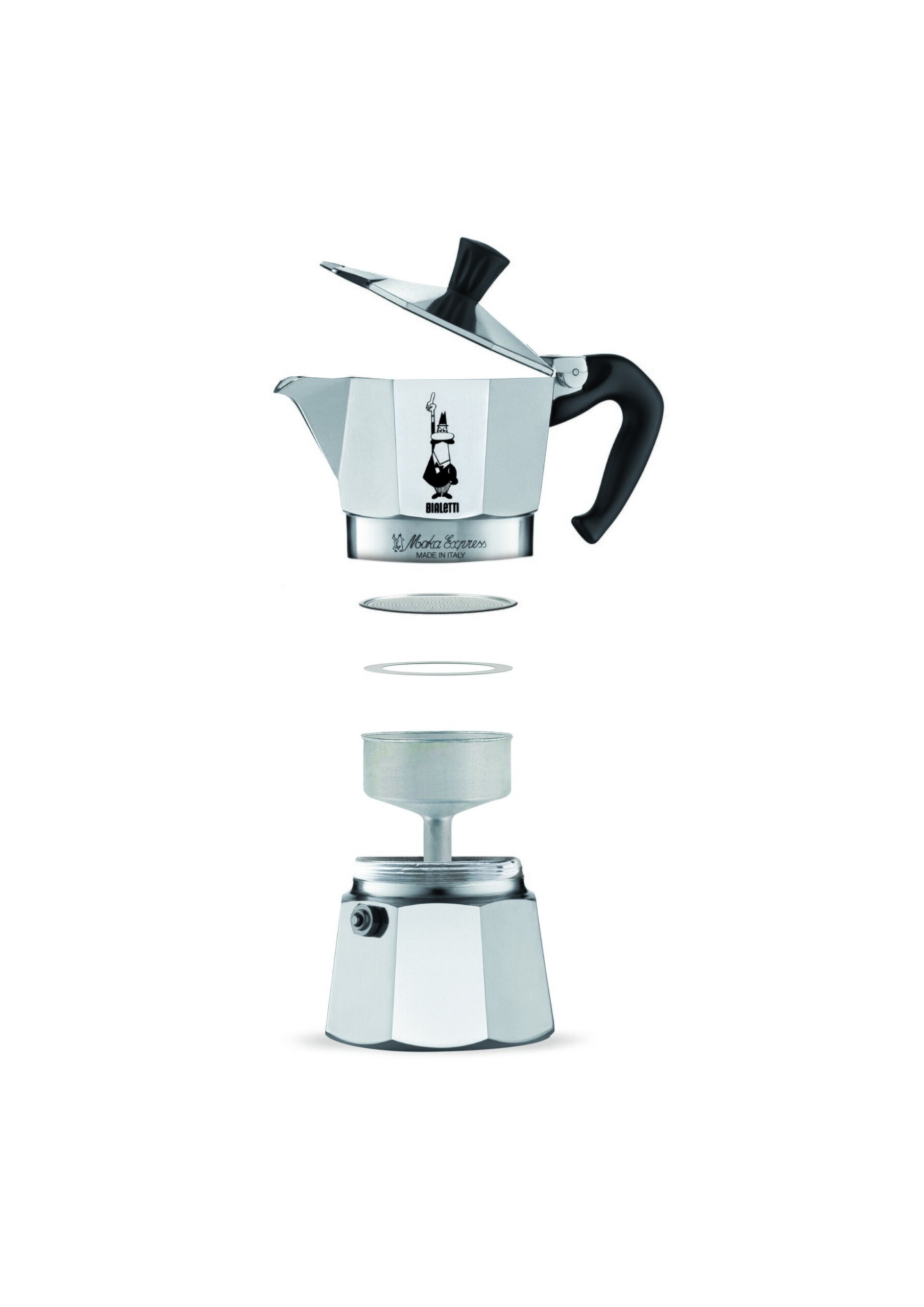
Both pots use the same basic idea. You fill the bottom chamber with water. You add ground coffee to a funnel basket. You put the pot on the heat. Steam pressure builds in the bottom chamber and pushes hot water up through the coffee. The brewed coffee collects in the top chamber. If you want the full method, see our perfect moka pot guide.
The Moka Express stops there. Water flows up as soon as pressure is high enough. The pressure inside is usually described as about 1 to 2 bars, far below the 9 bars of an espresso machine. You can read the background on Moka pot on Wikipedia and in our history of the moka pot.
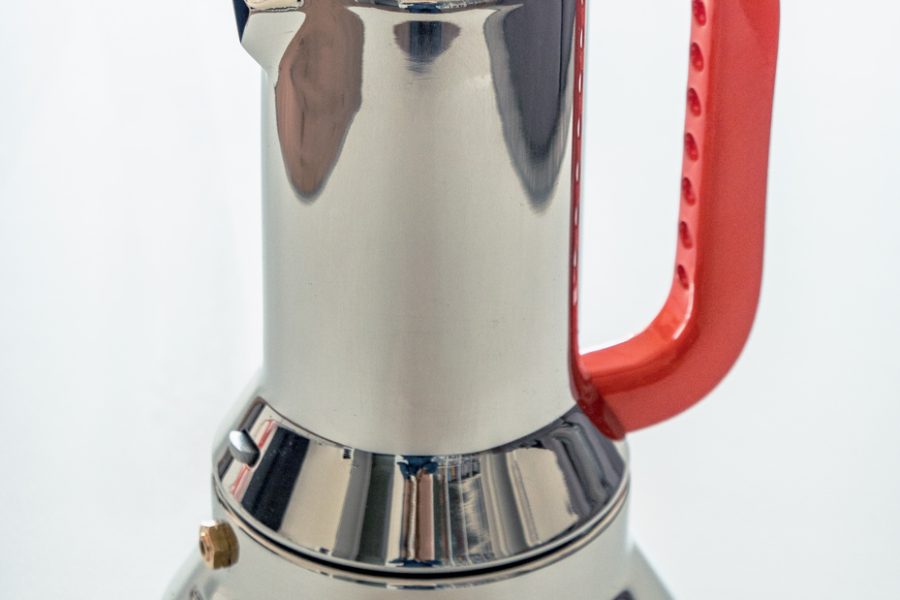
The Brikka adds a valve in the spout. The valve holds the flow back until pressure builds. Then it opens and the coffee rushes out in a fast stream. That rush is what makes the foam. Homegrounds reports that roughly 1 to 1.5 bars is needed to open the valve. Sources differ on the part itself. One older description mentions a heavy steel weight and a rubber gasket. Newer product pages describe a silicone pressure regulator.
A short bit of history helps here. Alfonso Bialetti patented the Moka Express in 1933, and its eight-sided shape has barely changed since. A story often repeated says he took the idea from the way an Italian laundry boiler pushed hot soapy water up a central tube. Whatever the truth, the pot spread into millions of Italian kitchens. The Brikka is a later variation on that design, built for people who wanted a bolder cup.
Flavor, pressure and the crema question
Bialetti sells the Brikka as the pot that makes a “crema-rich” cup. Here is what reviewers say about that claim.
- The foam is real. The valve creates a layer of light foam on the surface. Many owners like how it looks and feels.
- It is not true espresso crema. Barista Life points out that this foam is not the same as crema from an espresso machine. Bialetti does not claim it is.
- Coffee choice matters. One retailer notes that the crema effect depends on very fresh coffee and a darker, espresso-style roast.
- Extraction can run uneven. Homegrounds notes that some coffee can over-extract while the pressure builds behind the valve. That can add bitterness.
In short, the Brikka tends to give a heavier, rounder cup. The Moka Express gives a cleaner, lighter one with more of the coffee’s own flavor. Neither is better. It depends on your taste. If your coffee tastes bitter in either pot, check your grind first. Our coffee grind size guide and moka pot myths article can help.
Sizes and price
Sizes
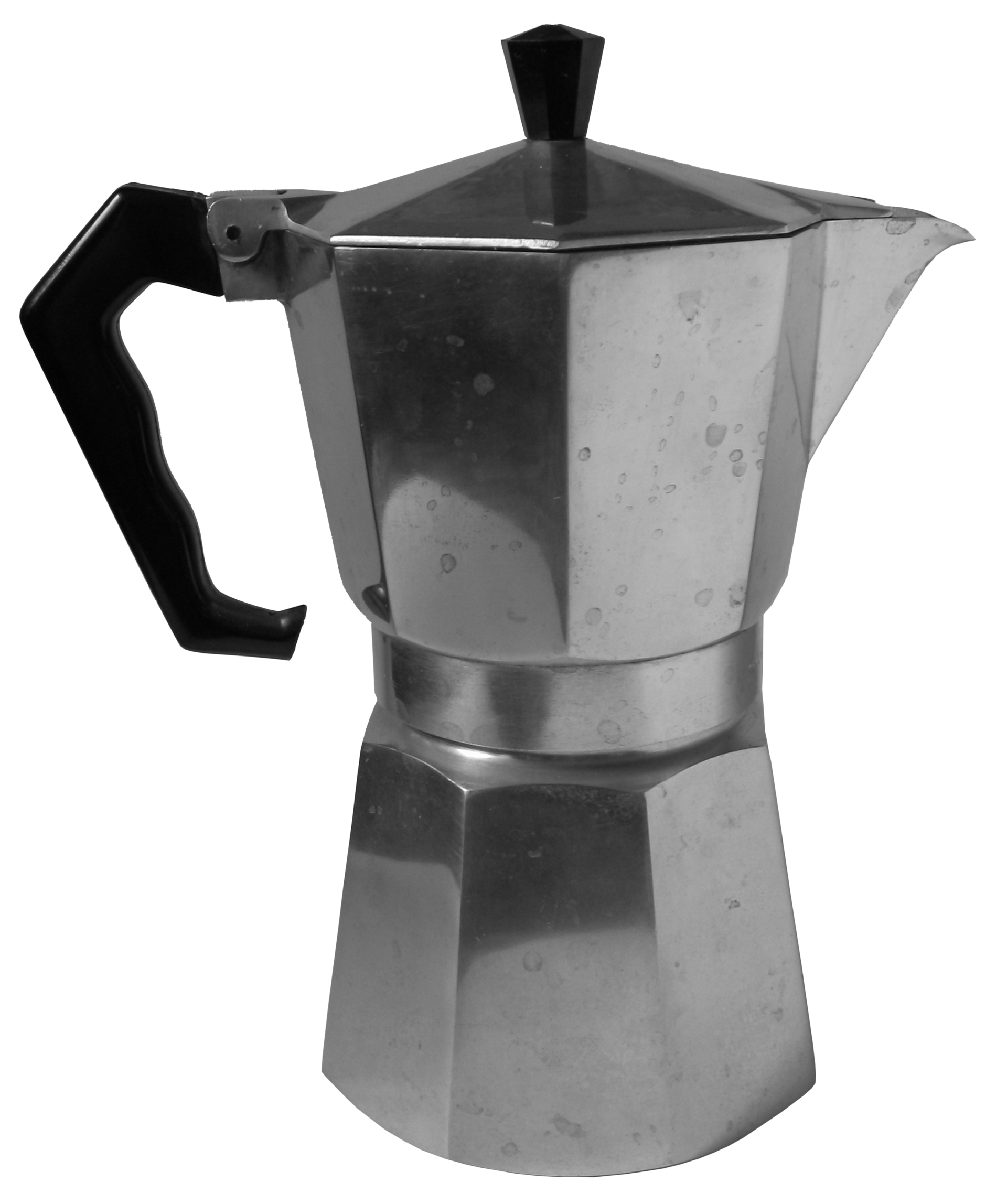
The Moka Express comes in 3, 6, 9 and 12 cup sizes. The word “cup” here means a small espresso-style serving of about 1.5 oz, not a mug. A 6-cup pot makes roughly two to three normal small coffees. It suits a couple or a small family.
The Brikka comes in only two sizes, 2 cups and 4 cups. Listings give about 100 ml for the 2-cup and about 160 to 170 ml for the 4-cup. That is enough for one or two strong cups. If you often brew for guests, the Moka Express is the better fit.
Price
Barista Life listed the Brikka at $79.99 and a 3-cup Moka Express at $49.99 in August 2026. Prices change and vary by seller, so check the current listing. The pattern is steady, though. The Brikka costs noticeably more than a Moka Express of similar size. Our best moka pots guide lists other options if you want to compare.
Stove types and cleaning
Induction. The classic aluminium Moka Express does not work on induction hobs. The standard Brikka is also listed as not suitable for induction. Bialetti makes a separate Brikka Induction with a steel base, and some sellers offer an adapter plate. Listings for the 2-cup model disagree, so check the exact product page before you buy.
Cleaning. Both pots are usually listed as hand-wash only. Most owners rinse them with warm water, with no soap, and dry every part. The Brikka has the extra valve to rinse and dry. Do not skip it, because trapped coffee oils can turn rancid. Our guide to cleaning a moka pot shows the steps and when to replace the gasket.
Common mistakes with both pots (and the fix)
Most bad moka coffee comes from a few habits. They apply to both the Brikka and the Moka Express, though the Brikka’s valve can make some of them more obvious.
| Mistake | What you taste | Fix |
|---|---|---|
| Grind too fine, or tamping the coffee | Bitter, harsh, slow flow, or a pot that struggles to brew | Use a medium-fine grind and level the coffee without pressing it |
| Heat too high | Burnt, metallic taste | Use medium heat and keep the handle away from the flame |
| Leaving the pot on the heat after it sputters | Over-extracted, bitter coffee | Remove the pot as soon as the flow turns pale and starts to sputter |
| Worn gasket or clogged filter | Leaks around the seam, weak or uneven brew | Replace the rubber gasket and filter plate when they harden or crack |
| Soap, or a wet pot stored closed | Soapy or stale flavor | Rinse with warm water, dry every part, and store the pot open |
Fix these five and either pot will make a better cup. For a full walk-through, follow our perfect moka pot guide.
Which one should you buy?
- Buy the Moka Express if you brew for two or more people, want the lowest price, or are new to moka pots. It is also easy to find spare gaskets and filters for it.
- Buy the Brikka if you drink one or two small cups, like a stronger body, and enjoy the foam layer. Expect a higher price and a little more care.
- Buy a Brikka Induction if you have an induction hob and want a valve pot. Otherwise, a steel induction moka pot may be simpler.
If you already own a Brikka, our Bialetti Brikka review goes deeper on that pot. The verdict here is based on specs and public owner reports, and the affiliate links below do not change it.
Brew tips for both pots
- Fill the water chamber to just below the safety valve. Do not go above it.
- Use a medium-fine grind, a little coarser than espresso. Level the coffee in the basket but do not tamp it.
- Use medium heat. High heat scorches the coffee and makes it bitter.
- Take the pot off the heat when the coffee starts to sputter. Run the base under cool water to stop the brew.
- Serve right away. Coffee left in the pot over heat keeps extracting.
FAQ
Is the Brikka better than the Moka Express?
Not in every way. The Brikka gives a stronger cup with foam, but it costs more and comes in two sizes only. The Moka Express is simpler, cheaper and better for larger batches.
Does the Brikka make real espresso?
No. Its pressure is far lower than the 9 bars used by an espresso machine. The foam it makes is not true espresso crema. It still makes a strong, concentrated stovetop coffee.
Can I use a Brikka on an induction hob?
The standard Brikka is listed as not suitable for induction. Bialetti sells a Brikka Induction model with a steel base. Always check the product page for the exact size you plan to buy.
What size Moka Express should I buy?
For one person, the 3-cup is enough. For two people, pick the 6-cup. For three or four, the 9-cup works. Remember that “cup” means a small 1.5 oz serving.
Do I need special coffee for the Brikka?
No special bag is required. Fresh coffee ground medium-fine works best. Owners say that fresher, darker roasts tend to give more foam.
Keep reading: Bialetti Brikka review · Best moka pots · Moka pot vs espresso machine · How to clean a moka pot · Moka pot on induction, Bialetti Venus vs Moka Express, how to use a Bialetti Brikka.
As an Amazon Associate, IndieRoastersItaly earns from qualifying purchases. This does not change the price you pay.
IndieRoastersItaly is a project built around small Italian roasters and fresh coffee roasted to order. If you want to know when it opens, join the waitlist on our homepage.
This article was written with the support of artificial intelligence for content structuring, and was fully reviewed, verified, and refined by the author.
A tip that works for both pots: take the pot off the heat as soon as the coffee starts to sputter. The last part of the brew is the most bitter, and stopping a few seconds early makes a sweeter cup. Which one do you use at home, and did you ever switch from one to the other?